Rent to Own Agreement Explained: How It Works in 2026
Aug, 18 2026
Rent-to-Own Cost & Savings Calculator
- Initial Option Fee $0
- Total Equity Credits $0
- Additional Cash at Close $0
- Total Cash Needed at Closing $0
In many contracts, if you fail to secure financing or decide not to buy by the deadline, you lose specific amounts.
Imagine you want a house but don't have the cash for a down payment. You rent it, and every month, part of your payment goes toward eventually owning it. That is the core idea behind a rent-to-own agreement is a contractual arrangement where a tenant pays an upfront fee and premium monthly rent in exchange for the exclusive right to purchase the property at a predetermined price within a set period. It sounds like a dream come true for renters who are close to affordability but stuck due to credit or savings issues. However, before you sign anything, you need to understand that this is not a standard lease. It is a hybrid contract with specific risks that can cost you thousands if things go wrong.
Key Takeaways
- A rent-to-own deal consists of two documents: a standard lease and a separate purchase option contract.
- You pay an "option fee" (usually 1-5% of the price) to lock in the future purchase price.
- Only a portion of your monthly rent (the "credit") actually counts toward the purchase price.
- If you fail to buy by the deadline, you lose the option fee and any unused credits unless negotiated otherwise.
- This strategy works best if you expect your income to rise significantly within 2-3 years.
The Two Documents Behind the Deal
Many people think a rent-to-own agreement is just one piece of paper. In reality, it is almost always split into two distinct legal documents. First, there is the lease agreement, which governs your daily life as a tenant. This document outlines how much you pay each month, who fixes the roof, and what happens if you break the lease early. Second, there is the purchase option contract. This is the critical part that gives you the *right*, but not the *obligation*, to buy the house later.
The purchase option contract specifies three main things:
It is crucial to keep these separate. If the lease ends without exercising the option, you simply move out. But if you ignore the details in the option contract, you might find yourself locked into a bad deal or losing money you thought was saving up for a down payment.
How the Money Actually Works
Let's look at the math, because this is where most tenants get surprised. Suppose a home is listed for $400,000. The seller agrees to a rent-to-own deal.
| Item | Amount | Description |
|---|---|---|
| Option Fee | $8,000 (2%) | Upfront payment to lock in the $400k price. Often partially credited to closing. |
| Monthly Rent | $2,500 | Total amount paid to live in the house. |
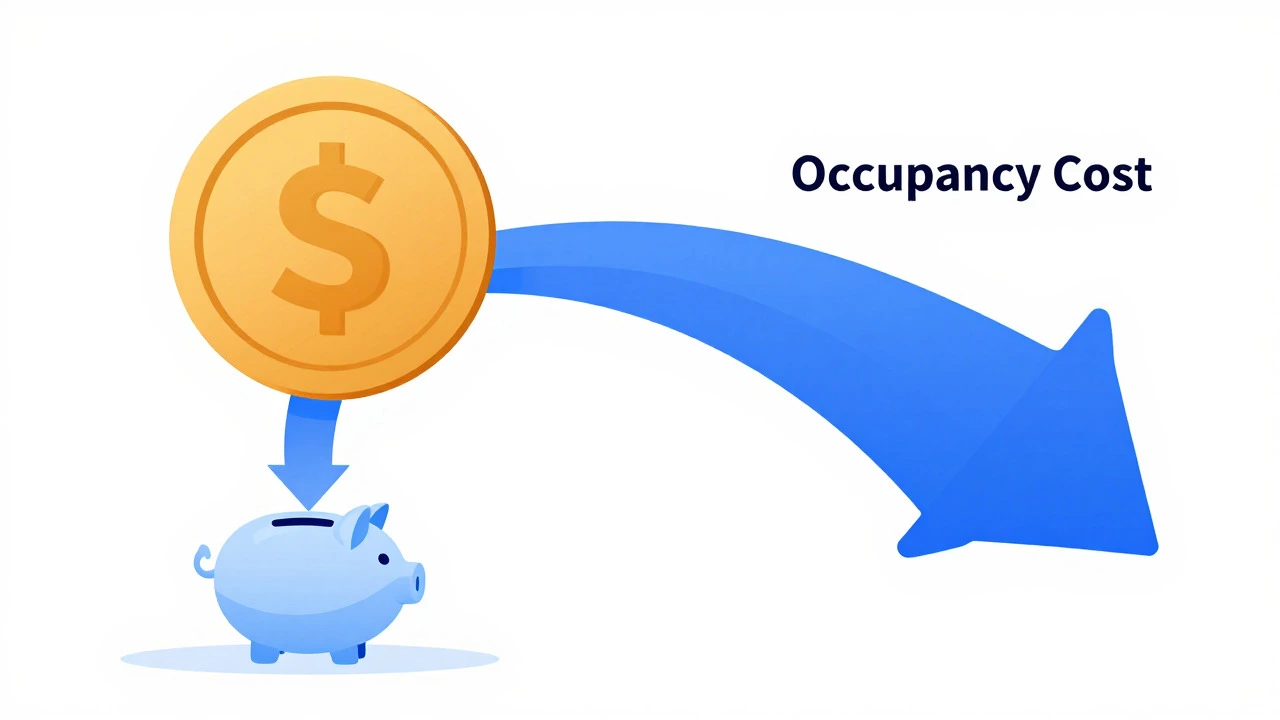
| Rent Credit | $500 (20%) | Portion of rent applied to the purchase price. $2,000 goes to the landlord for occupancy. |
| Total Credit After 2 Years | $12,000 + $8,000 = $20,000 | Your effective down payment if you buy. |
Notice the distinction between rent and credit. If you pay $2,500 a month, but only $500 is designated as rent credit, you are essentially paying $2,000/month for the privilege of living there while saving $500 for equity. Over 24 months, that $500 adds up to $12,000. Add the initial $8,000 option fee (if it is fully credited), and you have a $20,000 down payment. That is significant, but it is not free money. It is the cost of the option and the higher-than-market rent premium.
Who Should Consider This Strategy?
Not everyone benefits from a rent-to-own deal. It is a high-risk tool for a specific type of buyer. You should consider this path if:
- Your credit is rebuilding: You need 12-24 months to raise your FICO score above 680 for conventional financing.
- Your income is growing: You are expecting a promotion, a new job, or side business revenue that will qualify you for a larger mortgage in the near future.
- You are certain about the location: You know you want to stay in this specific neighborhood for at least 2-3 years.
On the other hand, avoid this structure if you are unsure about staying in the area, if your current budget is tight (because the total rent is usually higher than market rate), or if you plan to sell another property soon to fund a down payment. In those cases, a standard lease with a savings account might be safer and cheaper.
The Risks: What Can Go Wrong?
The biggest risk is default. If you miss a rent payment, the landlord may terminate both the lease and the option. Unlike a regular lease, where you might just lose your security deposit, here you could lose the entire option fee and all accumulated rent credits. Courts often view the option fee as consideration for the contract, meaning it is non-refundable if you back out voluntarily.
Another major pitfall is maintenance responsibility. In a standard lease, the landlord fixes the AC. In a rent-to-own deal, the contract might state that you are responsible for major repairs because you are "building equity." Before signing, clarify who pays for:
- Structural repairs (roof, foundation)
- Appliance replacements
- Landscape and exterior upkeep
Finally, consider the financing risk. Just because you have the *right* to buy doesn't mean you *can* buy. You still need to qualify for a mortgage when the option expires. If interest rates spike or your income drops, you might have to walk away, losing your upfront investment. Always include a clause that allows you to extend the option period slightly if financing falls through, though sellers rarely agree to this.
Negotiating the Terms
Treat this negotiation like a job interview. You are not just renting; you are entering a partnership. Here are key terms to negotiate:
- Price Appreciation Cap: If the price is variable, cap the increase at 5% annually to protect against market spikes.
- Credit Ratio: Aim for at least 25-50% of monthly rent to count as credit. Higher percentages build your equity faster.
- Maintenance Split: Try to keep major structural repairs on the landlord. You should handle routine maintenance like HVAC filters and minor plumbing.
- First Right of Refusal: If the seller wants to sell to someone else during the term, you should have the first chance to buy at the agreed price.
Get everything in writing. Verbal promises about "counting all rent toward the purchase" are worthless in court. Use a real estate attorney to review the contract. It costs a few hundred dollars but can save you tens of thousands.
Comparing Rent-to-Own vs. Traditional Buying
To help you decide, let's compare the two paths side-by-side.
| Feature | Rent-to-Own | Traditional Purchase |
|---|---|---|
| Upfront Cost | Low (Option fee + 1st month rent) | High (Down payment + Closing costs) |
| Monthly Payment | Higher than market rent | Mortgage principal + interest + taxes + insurance |
| Equity Building | Partial (only rent credit portion) | Full (every dollar of principal) |
| Market Risk | Fixed price protects from rises; loses value if market drops | Buyer assumes full market risk immediately |
| Flexibility | Can walk away (lose fees) | Selling takes time and fees |
Traditional buying builds equity faster per dollar spent, but requires immediate capital. Rent-to-own trades higher monthly costs for delayed entry. If you can afford the down payment today, traditional buying is almost always more financially efficient. Rent-to-own is a bridge, not a destination.
Frequently Asked Questions
Is the option fee refundable?
Usually, no. The option fee is considered payment for the right to purchase. However, many contracts stipulate that if you exercise the option and close on the house, the fee is credited toward your down payment. If you cancel early or default, you typically lose it entirely.
Do I pay property taxes during the lease period?
Generally, the landlord pays property taxes because they are still the legal owner. However, some agreements pass a portion of the tax bill to the tenant. Check the lease carefully to see if taxes are included in the base rent or billed separately.
What happens if the house value drops below the purchase price?
You are still obligated to buy at the agreed price if you wish to exercise the option. This is the downside of a fixed-price contract. If the market crashes, you might be buying above market value. To mitigate this, some buyers negotiate a price adjustment clause if the market drops by more than 10%.
Can I renovate the house while renting?
Yes, but only with written permission. Major renovations require permits and approval. Minor updates like painting or flooring might be allowed. Clarify whether you can deduct renovation costs from the final purchase price or if they are simply improvements to the landlord's asset.
How does this affect my credit score?
Rent payments do not automatically appear on your credit report unless the landlord reports them. Ask the landlord if they use a service like RentTrack or RealPage to report on-time payments. Consistent reporting can help rebuild your credit during the option period.