What Does WD Mean in Apartments? Decoding Floor Plan Abbreviations
Oct, 20 2026
Apartment Abbreviation Decoder
Confused by "WD" or other cryptic codes in listings? Select your region and the abbreviation to get the most likely meaning and action steps.
Quick Reference Codes
Enter an abbreviation and select a region to reveal its meaning.
You are scrolling through listings for a 2BHK apartment, and you spot it: "WD" next to the kitchen or balcony. You pause. Is it washer-dryer? Water damage? Work desk? If you have ever stared at a floor plan wondering if you need an engineering degree to read it, you are not alone. Real estate agents love their shorthand, but they rarely explain it until after you sign the lease.
Here is the truth: "WD" usually stands for Wet Area and Dry Area separation, particularly in Indian and South Asian property markets where this abbreviation is standard. However, depending on your location and the specific listing context, it can also mean Washer-Dryer hookups or even Work Desk. Getting this wrong could mean buying a home without plumbing for laundry or misunderstanding how much space you actually get for cooking versus living.
The central concept here is Apartment Floor Plan Abbreviations, which are standardized shortcodes used by architects and realtors to denote room functions, utility connections, and spatial divisions within a residential unit. Understanding these codes is critical because they dictate habitability, renovation costs, and resale value.
Decoding the Most Common Meaning: Wet vs. Dry Areas
In many international markets, especially those following Vastu Shastra principles or strict building codes, apartments are divided into wet and dry zones. This isn't just about keeping water off your carpet; it's about structural integrity and hygiene.
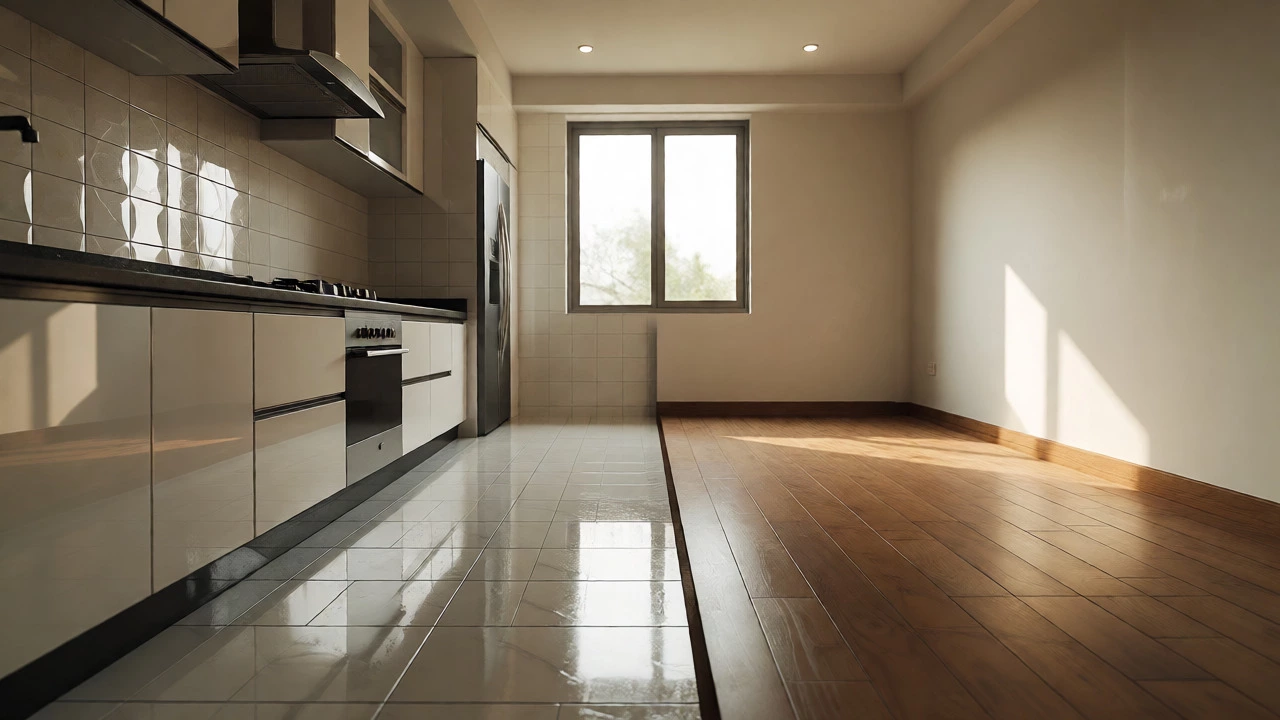
A Wet Area includes spaces exposed to water regularly: kitchens, bathrooms, balconies (if open), and utility yards. These areas require waterproof flooring like ceramic tiles, proper drainage slopes, and moisture-resistant walls.
A Dry Area covers bedrooms, living rooms, and study halls. These spaces typically feature wooden flooring, laminates, or carpets that would warp if exposed to standing water.
When a listing says "WD," it often highlights that the layout strictly separates these two zones. For example, a kitchen (wet) might be adjacent to a dining area (dry) with a clear threshold. Why does this matter to you? Because if you plan to knock down a wall between your kitchen and living room, you need to know if that boundary is a load-bearing wall separating wet/dry infrastructure. Breaking it could void warranties or cause mold issues.
Alternative Interpretations: Washer-Dryer and Work Desks
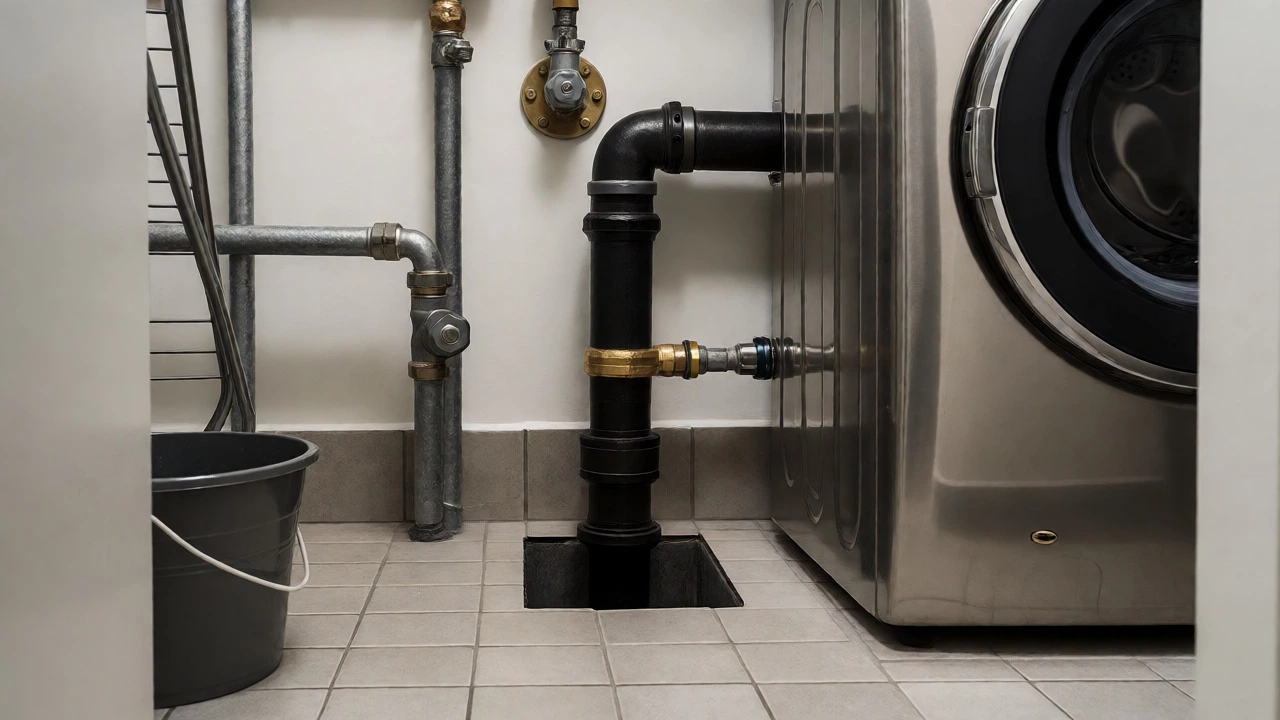
If you are looking at listings in North America or Europe, "WD" almost always refers to Washer-Dryer facilities. In this context, it means the apartment has dedicated hookups for both machines. This is distinct from having a shared laundry room in the basement.
- Full Hookups: Hot/cold water lines and a drain pipe for the washer; a 240V outlet or gas line for the dryer.
- Stacked Units: Sometimes "WD" implies a compact stacked unit is already installed.
- Ventilation: A true WD setup requires external venting for the dryer. If the listing just says "laundry closet," ask if it vents outside.
Less commonly, in modern co-living spaces or small studio apartments, WD might stand for Work Desk. With remote work becoming permanent for millions, developers are carving out nooks specifically labeled as workspaces. If the square footage is tiny (under 500 sq ft), check if "WD" denotes a built-in desk rather than laundry amenities.
Why Context Matters More Than the Code
You cannot decode "WD" in a vacuum. The region dictates the meaning. Here is how to triangulate the definition based on where you are looking:
| Region | Primary Meaning | Secondary Meaning | Action Required |
|---|---|---|---|
| India / South Asia | Wet/Dry Area Separation | Water Drainage | Check floor materials and slope |
| USA / Canada | Washer-Dryer Hookup | Work Desk | Verify electrical/gas specs |
| UK / Australia | Washing Machine Space | Wardrobe | Confirm appliance inclusion |
| New Developments | Utility Deck | Walk-In Dressing | Ask agent for clarification |
Notice the pattern? In hot climates like India, moisture management is paramount, so wet/dry zoning is a selling point. In colder climates like the US, convenience appliances drive value, hence washer-dryer focus. Always cross-reference the abbreviation with the visual layout.
Other Cryptic Codes You Will See Next to WD
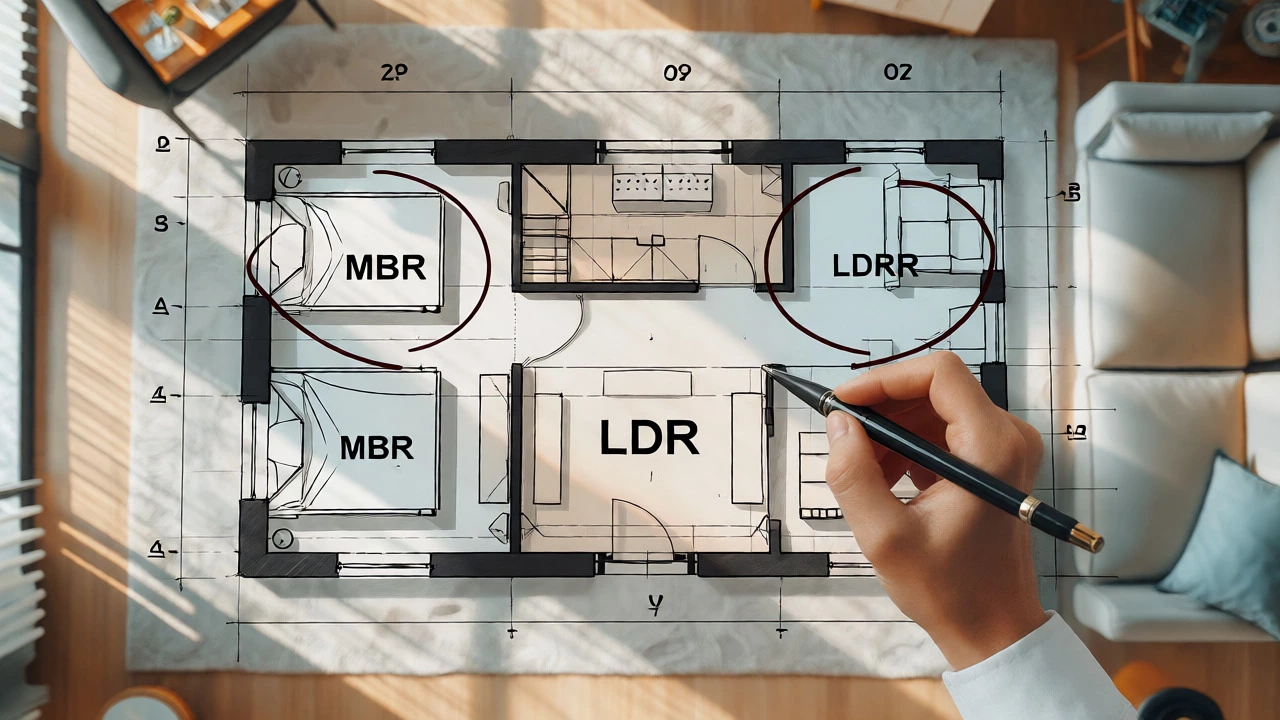
If you are confused by WD, wait until you see MBR, LDR, or SKY. These acronyms form a secret language among realtors. Knowing them saves you from asking basic questions during a viewing.
- MBR: Master Bedroom. Usually the largest bedroom with an attached bathroom.
- LDR: Living Dining Room. An open-plan space combining the lounge and eating area.
- SKY: Skywalk or Sky Terrace. A private outdoor space on the roof or upper floors.
- POSH: Premium Open Space Housing. Often used in marketing to describe luxury layouts.
- TV Unit: Built-in cabinetry for television placement, sometimes mistaken for storage.
These codes interact with WD. For instance, a listing might say "MBR with WD," implying the master bedroom has a dedicated washing machine niche-a luxury feature in some high-end condos.
How to Verify Before You Buy or Rent
Never assume. Agents are salespeople, not inspectors. If "WD" is a deal-breaker for you, take these steps before signing:
- Ask for the Blueprints: Request the architectural drawing, not just the marketing brochure. Look for plumbing stacks near the "WD" label.
- Visit in Person: Stand in the space. If it’s a laundry area, look for the drain pipe. If it’s a wet/dry zone, touch the floor transition.
- Check Utility Bills: If renting, ask previous tenants’ bills. High water usage might indicate hidden leaks in wet areas.
- Inspect Ventilation: For washer-dryers, ensure there is an exhaust vent. No vent means you will buy a condenser dryer, which is less efficient.
This due diligence protects you from expensive surprises. Imagine moving into a "WD" apartment only to find there is no water hookup for the washing machine. That is a $500-$1,000 plumbing job you didn’t budget for.
The Impact of WD on Property Value
Does understanding WD help you negotiate? Yes. If a seller claims a large "WD" area but it is merely a narrow corridor, you can argue for a lower price per square foot. Conversely, if a unit offers a separate wet area with premium tiling and drainage, it adds tangible value.
Resale potential also hinges on these features. Modern buyers prioritize functional laundry spaces over decorative niches. A clearly defined WD zone signals that the builder respected practical living standards, which appeals to families and professionals alike.
Is WD the same as a utility yard?
Not exactly. A utility yard is usually an outdoor service area for hanging clothes and storing buckets. WD (Wet/Dry) refers to internal zoning within the apartment. However, in some listings, a utility yard may be classified as part of the wet area.
Can I convert a dry area into a wet area?
It is difficult and expensive. Converting a dry area (like a bedroom corner) into a wet area (like a powder room) requires running new plumbing pipes and ensuring the floor structure can handle water exposure. It often violates building codes if not done correctly.
Does WD include a washing machine?
Rarely. WD usually indicates the space or hookups are available. Unless the listing explicitly states "furnished" or "appliance included," you should assume you need to bring your own machine.
Why do some apartments lack a WD section?
Older buildings or studios may integrate laundry into the kitchen or bathroom without designating a separate zone. This is common in pre-2000s construction where open-plan living wasn't as popular.
Is WD important for Vastu compliance?
Yes, in Indian real estate, proper separation of wet (kitchen/bath) and dry (bedroom/living) areas is crucial for Vastu Shastra. Incorrect placement can affect perceived energy flow and marketability.