Which Businesses Get Hit Hardest in a Recession?
Oct, 16 2026
Recession Resilience Checker
Select a business sector below to evaluate its resilience against economic downturns and understand the primary risks for investors.
Sector Analysis
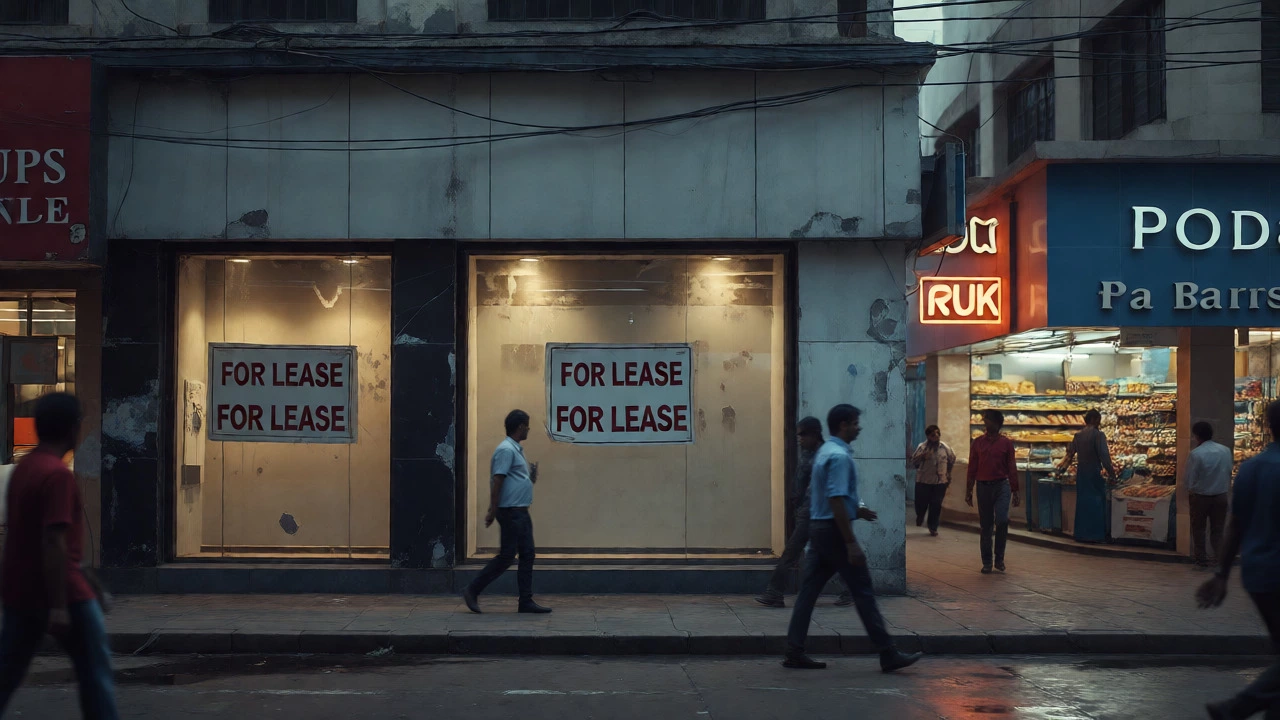
Select a SectorImagine walking down your favorite shopping street. Ten years ago, it was packed with people grabbing coffee, browsing boutiques, and waiting for tables at trendy restaurants. Today? Half the storefronts are dark, taped over with "For Lease" signs that have faded in the sun. This isn't just bad luck or poor management. It's the brutal math of a recession.
When the economy tightens, not all businesses bleed at the same rate. Some companies are like cockroaches-they survive almost anything. Others are like canaries in a coal mine; they drop dead the moment the air gets thin. If you're looking to buy commercial property, understanding which sectors crack first is crucial. You don't want to be the one holding the bag when the music stops.
The Discretionary Spending Trap
The first rule of recessions is simple: when money gets tight, people cut the fun stuff first. They still need to eat, heat their homes, and drive to work. But they definitely stop buying new clothes, skipping the spa, and dining out three times a week. This hits businesses reliant on discretionary income hard and fast.
Luxury Retail is usually the first casualty. Think high-end fashion brands, jewelry stores, and designer boutiques. These businesses rely on customers who feel wealthy enough to splurge. In a downturn, even upper-middle-class buyers tighten their belts. A $500 handbag becomes a luxury too far when your job security feels shaky.
Fine Dining Restaurants suffer similarly. People switch from $80 steaks to frozen pizzas or casual chains. The overhead for fine dining-staff, ingredients, prime location rent-is massive. When foot traffic drops by 30%, margins evaporate instantly. Many of these places operate on razor-thin profits during good times, so a slight dip in revenue pushes them into the red.
The Hospitality Hangover
If you own a hotel or a conference center, you know the feeling of watching bookings dry up. Hospitality is notoriously cyclical. It depends entirely on two things: tourism and corporate travel. Both vanish quickly when uncertainty rises.
Businesses stop sending employees to conferences in Las Vegas or New York. Families cancel vacation plans because they're worried about savings. Hotels see occupancy rates plummet. But here’s the kicker: hotels have huge fixed costs. You still have to pay for electricity, housekeeping, and maintenance whether the room is occupied or not. This mismatch between falling revenue and static costs makes hospitality properties risky bets during economic slumps.
Consider the difference between a budget motel and a five-star resort. The motel might survive because travelers always need cheap beds. The resort relies on leisure spending, which is the first thing families cut. If you’re evaluating a commercial property sale in this sector, look closely at the client mix. Is it mostly corporate contracts? Those can disappear overnight if companies freeze hiring or travel budgets.
Office Space: The Remote Work Accelerator
Recessions often accelerate existing trends. Before 2020, remote work was growing slowly. After the pandemic-induced economic shock, it became standard. Now, as we navigate the economic landscape of 2026, office demand remains fragile.
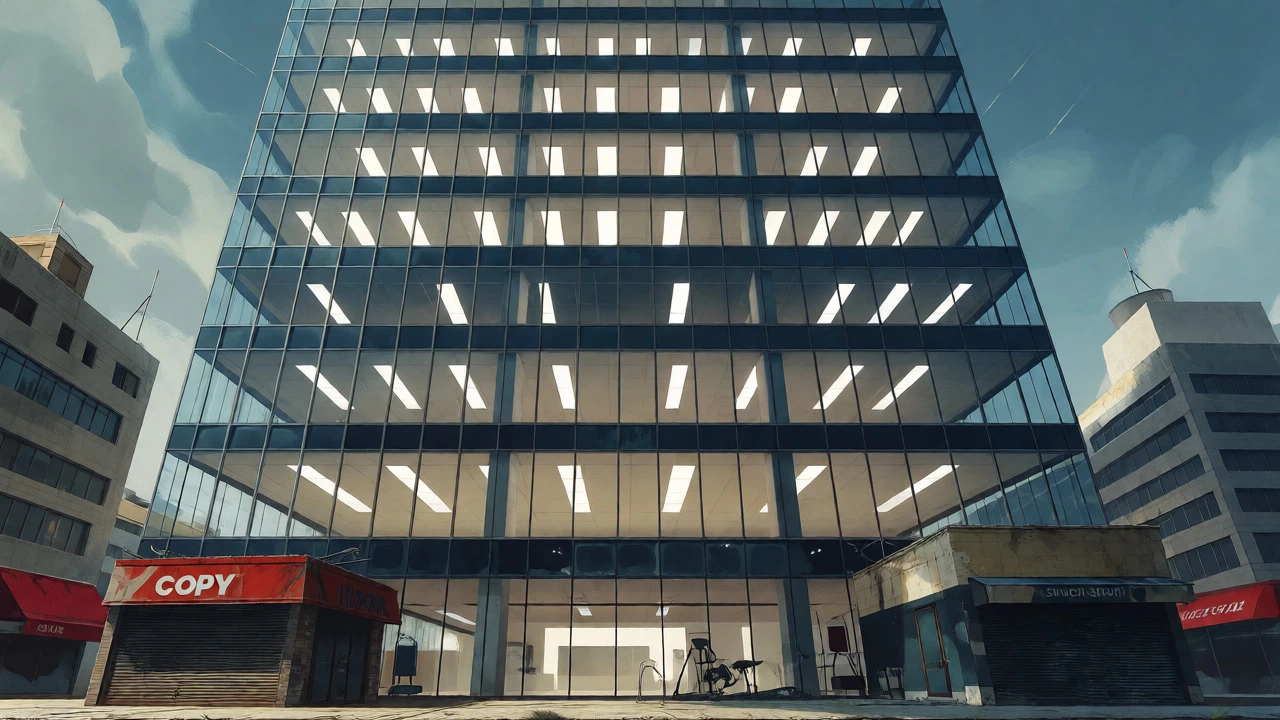
Traditional Office Leases are under pressure. Companies facing revenue drops don’t just lay off staff; they also shrink their footprint. Why pay for 10,000 square feet when you only need 4,000? This leads to a surge in subleases and vacant floors. Landlords face a nightmare scenario: tenants breaking leases early or demanding rent reductions just to stay put.
This creates a ripple effect. When big anchor tenants leave a building, smaller service providers nearby-copy shops, lunch spots, gyms-lose their customer base. An empty office tower doesn't just hurt its owner; it drains the vitality of the surrounding neighborhood. For investors, this means Class B and C office buildings are particularly vulnerable. They lack the amenities and prestige that keep top-tier tenants loyal during tough times.
Automotive and Big-Ticket Retail
Nobody wants to finance a new car when interest rates are high and jobs are scarce. Auto Dealerships see sales slump sharply during recessions. Cars are big-ticket items. Most people buy them with loans. When credit tightens and consumer confidence wavers, buyers postpone upgrades. They keep driving their old sedans another year or two.
This hurts more than just the dealers. It impacts auto repair shops less (people fix old cars), but it devastates showrooms and related retail. If you’re looking at commercial spaces formerly used by car dealerships, be cautious. Converting these large, open floor plans into other uses can be expensive due to zoning restrictions and structural limitations.
Similarly, Furniture Stores take a hit. People delay home renovations and furniture replacements. You can live with an old couch. You can’t skip paying your mortgage. Furniture purchases are deferrable, making this sector highly sensitive to economic shifts.

Why Essential Services Hold Up
On the flip side, some businesses thrive-or at least survive-because they sell necessities. Grocery Stores remain stable. People have to eat. While they might trade down from organic to generic brands, they still shop. Grocery-anchored retail centers often maintain steady foot traffic.
Healthcare Facilities are also resilient. Medical needs don’t pause for recessions. Urgent care clinics, dental offices, and pharmacies continue to generate revenue. This stability makes healthcare-related commercial properties attractive safe havens for risk-averse investors.
| Sector | Vulnerability Level | Primary Risk Factor | Recovery Speed |
|---|---|---|---|
| Luxury Retail | High | Drop in discretionary spending | Slow |
| Fine Dining | High | Reduced frequency of dining out | Moderate |
| Hotels & Tourism | High | Cancellation of travel plans | Variable |
| Office Space | Medium-High | Remote work adoption | Very Slow |
| Auto Sales | Medium | Deferral of big-ticket purchases | Moderate |
| Grocery Stores | Low | Essential nature of food | Fast |
| Healthcare | Low | Inelastic demand for medical services | Fast |
The Investor’s Checklist
So, what does this mean for you if you’re eyeing a commercial property sale? Don’t just look at the current rent roll. Look at the tenant mix. A building fully leased to tech startups in 2021 might look great now, but if those startups are cutting costs, your income stream is at risk.
- Diversify Tenant Types: Avoid buildings where 80% of the space is rented to one industry. Mix essential services with retail and office space to hedge against sector-specific crashes.
- Check Lease Terms: Are the leases long-term? Do they include escalators? Short-term leases give landlords flexibility to raise rents in booms but expose them to vacancy risks in busts.
- Analyze Location Durability: Is the location convenient for daily essentials? Properties near residential hubs tend to hold value better than those in pure business districts dependent on commuter traffic.
- Assess Capital Expenditure Needs: Old buildings require repairs. In a recession, financing these repairs is harder and more expensive. A dilapidated asset can become a money pit quickly.
Recessions aren’t just scary headlines. They’re clearing mechanisms. Weak businesses fail, freeing up space for stronger ones. As an investor, your goal isn’t just to survive the storm but to position yourself to buy distressed assets when prices bottom out. Understanding which sectors are most fragile helps you spot opportunities before everyone else realizes the damage has been done.
Do grocery stores really stay profitable in a recession?
Yes, generally. Food is an essential need, so demand remains relatively constant. However, profit margins might squeeze slightly as consumers switch to cheaper store-brand products instead of premium national brands. Overall, grocery-anchored properties are considered defensive investments because they provide steady cash flow regardless of economic conditions.
How does remote work affect office property values during a recession?
Remote work significantly weakens office demand. During a recession, companies use cost-cutting measures to justify shrinking their physical footprint. This leads to higher vacancy rates and downward pressure on rents. Older, less efficient office buildings (Class B and C) are hit hardest, while modern, amenity-rich buildings may retain value better due to competition for quality workspace.
Are industrial warehouses safer than retail spaces?
Often, yes. Industrial properties tied to logistics and e-commerce fulfillment have shown resilience because online shopping continues even during downturns. However, manufacturing facilities can struggle if production slows down. Warehouse spaces with high ceilings and modern loading docks are currently more sought-after than traditional retail storefronts.
What happens to commercial property prices in a recession?
Prices typically decline as sellers rush to liquidate assets and financing becomes harder to obtain. Transaction volumes drop because buyers wait for lower prices while sellers hope to avoid selling at a loss. This stalemate eventually breaks when forced sellers (due to debt maturities or vacancies) accept lower offers, creating buying opportunities for those with cash reserves.
Should I avoid investing in restaurants during uncertain times?
Not necessarily, but proceed with caution. Fast-casual and quick-service restaurants often perform better than fine dining because they offer affordable meals. If you invest in restaurant space, ensure the lease structure protects you from tenant defaults, perhaps through percentage rent clauses or strong personal guarantees from the operators.