Best Commercial Real Estate Investments for Recession Resilience
Nov, 24 2026
Recession Resilience Analyzer
Select an asset class below to analyze its performance characteristics during economic downturns.
Multifamily Housing
Excellent ResilienceKey Insight
Occupancy rates rarely dip below 90%. Focus on Class B/C workforce housing for maximum resilience as tenants prioritize affordability over amenities.
Buy-and-hold strategy focusing on cash flow. Avoid luxury high-rises in tech hubs if job losses are concentrated there.
Everyone knows the stock market crashes in a recession. But what happens to your commercial property portfolio? Do you lose your shirt, or do you actually make money while everyone else is panicking? The answer isn't as simple as "buy low." In fact, some commercial real estate (CRE) assets become recession-proof powerhouses when the economy tanks. If you're looking at commercial property sale listings right now, you need to know which sectors hold their value and which ones evaporate.
Why Some Assets Sink While Others Swim
Recessions change how people spend money. When paychecks shrink or disappear, consumers cut discretionary spending first. They stop buying new clothes, eating out less, and canceling vacations. This directly hits retail and hospitality CRE. But they still need a place to live, groceries to eat, and packages delivered to their door. That behavioral shift creates winners and losers in the property market.
Understanding this dynamic is crucial before you sign any purchase agreement. You aren't just buying bricks and mortar; you're buying a claim on future cash flows. During a downturn, those cash flows become volatile. The goal is to find assets where the demand remains sticky regardless of economic conditions.
Multifamily Housing: The Safe Haven
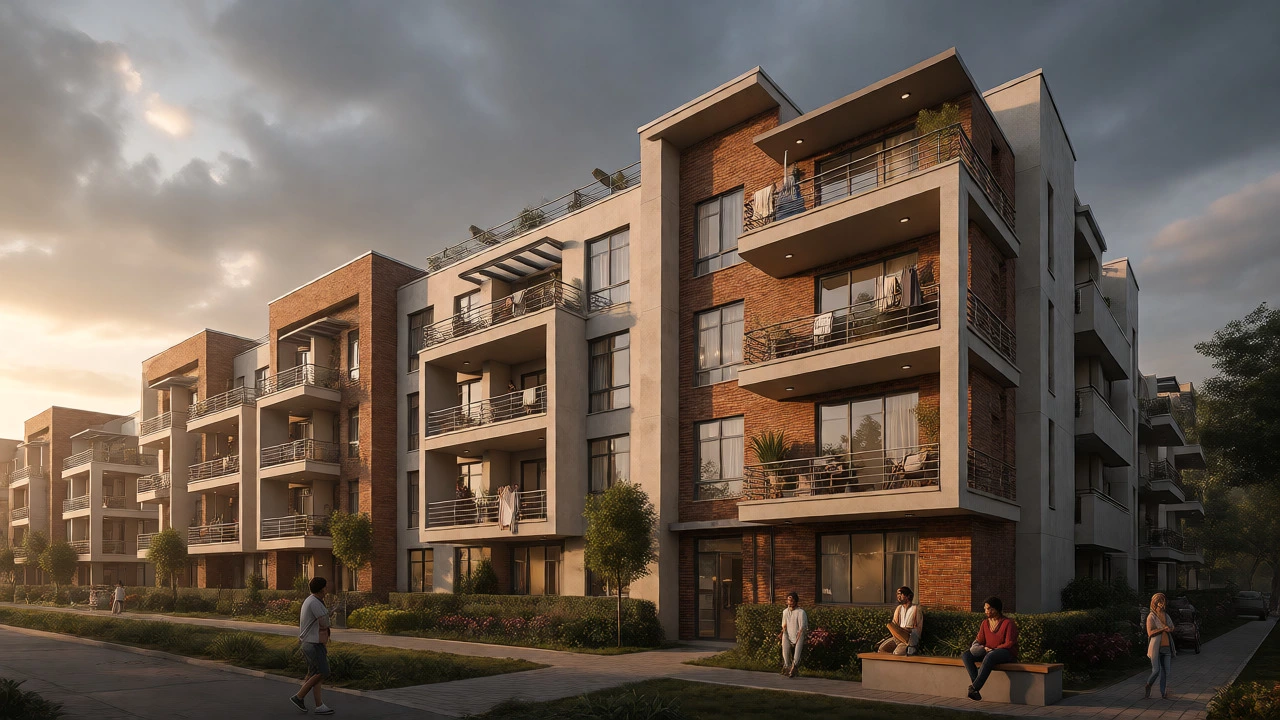
If there is one asset class that consistently outperforms during economic downturns, it's Multifamily Housing. Defined as residential buildings containing multiple separate housing units for inhabiting by multiple families, this sector benefits from a fundamental human need: shelter.
When homeowners face foreclosure or simply can't afford mortgages, they rent. This increases demand for apartments. Conversely, young professionals who might have bought homes in a boom stay renting longer during a bust. This dual inflow keeps vacancy rates lower than in other sectors. According to data from the National Multifamily Housing Council, occupancy rates for apartments rarely dip below 90% even in severe recessions, whereas office vacancy rates can spike above 20%.
However, not all multifamily is created equal. Class A luxury high-rises in tech hubs often suffer because tenants lose high-paying jobs. Class B and C workforce housing-older but well-maintained buildings targeting middle-income earners-tends to be more resilient. These tenants prioritize affordability over amenities, making them less likely to break leases.
Industrial Properties: The E-Commerce Engine
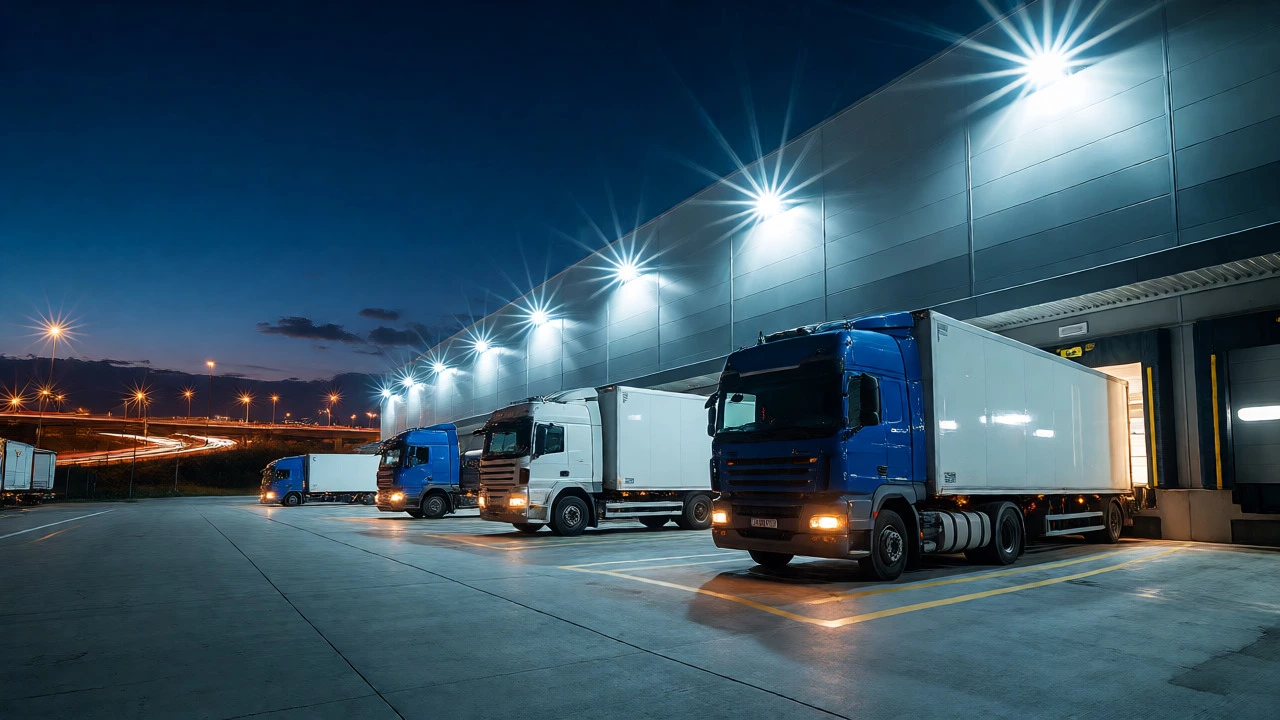
The rise of Amazon and same-day delivery has changed industrial real estate forever. What used to be dusty warehouses are now critical logistics hubs. Even if consumer spending drops slightly, the volume of goods moving through supply chains remains high. People still buy essentials online.
Industrial Warehouses offer long-term leases with triple-net structures, meaning tenants pay taxes, insurance, and maintenance. This provides predictable income. Unlike retail, where foot traffic matters, industrial spaces rely on truck access and proximity to major highways. As e-commerce penetration continues to grow, the scarcity of modern, high-ceiling facilities drives up values. Older, small-bay distribution centers might struggle, but large-format distribution centers remain hot commodities.
| Asset Class | Vacancy Risk | Rent Stability | Liquidity | Recession Rating |
|---|---|---|---|---|
| Multifamily | Low | High | Medium | Excellent |
| Industrial | Low-Medium | High | High | Very Good |
| Net Lease Retail | Low | Very High | High | Good |
| Office | High | Low | Low | Poor |
| Traditional Retail | Very High | Low | Low | Poor |
Net Lease Retail: Essentials Over Luxury
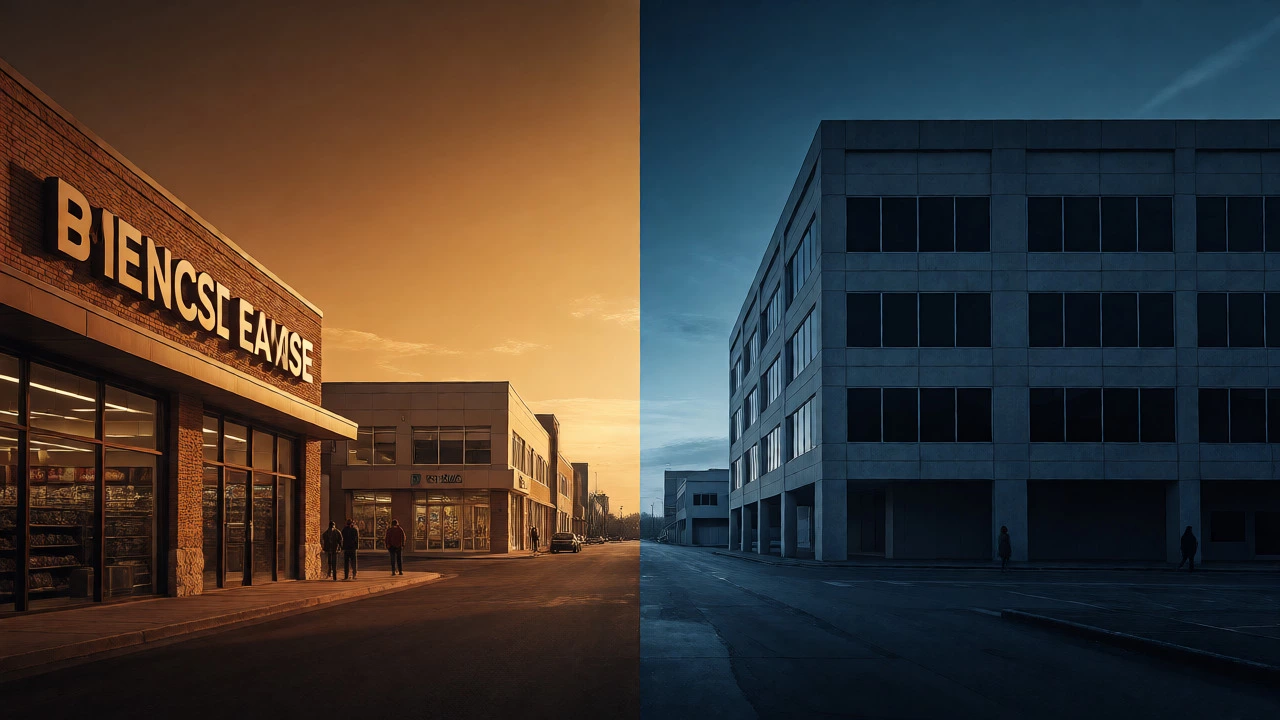
Forget about fashion boutiques and department stores. Think about grocery stores, pharmacies, and dollar stores. Net Lease Retail refers to properties where the tenant pays most operating expenses. During a recession, consumers trade down. They switch from Whole Foods to Aldi, or from Starbucks to McDonald's. Brands like Dollar General, Family Dollar, and Walgreens see increased foot traffic when budgets tighten.
These tenants often sign long-term leases (10-20 years) with strong credit ratings. This makes them attractive to institutional investors seeking stable yields. While capital appreciation might be slower compared to industrial assets, the downside protection is significant. If the tenant stays open selling toothpaste and canned beans, you get paid. It’s boring, but boring pays the bills.
The Office Trap: Why You Should Be Careful
Office space is currently the most vulnerable sector. The hybrid work model didn't start with the pandemic, but the pandemic accelerated it massively. Companies are consolidating spaces. They don't need three floors downtown if employees only come in twice a week. This structural shift means oversupply is a real threat.
During a recession, businesses freeze hiring and cut overheads. Leasing activity slows down. Vacant office buildings become expensive liabilities because landlords still have to pay for utilities and security without rental income. Unless you are buying trophy assets in prime locations at deep discounts, office deals carry high risk. Conversion projects-turning offices into apartments-are popular, but they require massive capital expenditure and zoning approvals that take years.
Healthcare Facilities: Demographics Don't Lie
Aging populations create steady demand for healthcare real estate. Nursing homes, assisted living facilities, and medical office buildings tied to hospitals tend to perform well. People get sick regardless of the GDP growth rate. Medical Office Buildings (MOBs) attached to hospital systems benefit from referral networks. Doctors keep patients coming in, ensuring consistent rent payments.
Senior housing requires careful operational management. Unlike a warehouse, you can't just hand over keys and walk away. Staffing shortages and regulatory compliance add complexity. However, specialized operators who manage these risks well can deliver strong returns. Look for facilities with high occupancy rates and reputable management teams rather than chasing the highest projected yield.
How to Analyze Deals in a Downturn
Buying cheap isn't always smart. A distressed asset might look like a bargain, but if it requires $5 million in capex to fix the roof and HVAC, your "cheap" price disappears. Here is a quick checklist for evaluating opportunities:
- Tenant Credit Quality: Is the tenant investment-grade? Can they survive a two-year revenue drop?
- Lease Terms: Are rents fixed or CPI-adjusted? Fixed rents lose purchasing power during inflationary periods.
- Location Metrics: For industrial, check highway access. For retail, check population density and median household income trends.
- Debt Structure: Avoid floating-rate loans if possible. Refinancing risk kills deals in high-interest environments.
Remember, liquidity dries up in recessions. Selling a property takes longer. Ensure you have enough cash reserves to cover debt service for at least 12 months if vacancies spike. Cash flow is king when equity values fluctuate.
Common Pitfalls to Avoid
Many investors try to time the bottom perfectly. They wait for prices to crash, missing the early recovery phase. Another mistake is ignoring local market nuances. A national trend doesn't mean every city behaves the same way. Sun Belt cities like Phoenix and Dallas saw different dynamics than New York or San Francisco due to migration patterns.
Also, beware of "value-add" traps. Renovating an old building sounds great until you hit unexpected code violations or labor cost spikes. Always budget a 15-20% contingency fund for renovations. In a recession, contractors might raise prices due to material costs, or conversely, go bankrupt mid-project, leaving you with a mess.
Is it better to buy commercial real estate during a recession?
Yes, generally speaking. Asset prices often drop due to fear and lack of buyer competition, allowing you to acquire properties at higher cap rates. Additionally, financing terms may become more favorable if interest rates fall to stimulate the economy. However, securing financing can be harder initially, so having strong relationships with lenders is key.
Which commercial property type loses the most value in a recession?
Office space typically suffers the most due to remote work trends and corporate downsizing. Traditional retail, especially malls and non-essential stores, also faces significant challenges as consumer spending shifts toward essentials and online shopping.
Do industrial properties really hold value?
Modern industrial properties, particularly last-mile distribution centers, have shown remarkable resilience. The structural shift toward e-commerce ensures steady demand for space, keeping vacancy rates low and rents stable even when broader economic indicators decline.
What is a net lease property?
A net lease property is one where the tenant agrees to pay some or all of the property's operating expenses, such as taxes, insurance, and maintenance. This reduces the landlord's financial burden and provides more predictable net income, which is highly valued during uncertain economic times.
Should I avoid multifamily housing in a recession?
No, multifamily is often considered a defensive play. Demand for housing remains constant, and economic stress often pushes homeowners back into the rental pool. Focus on workforce housing rather than luxury apartments to minimize vacancy risk.