Best Soil for Farming: Which US State Has the Most Fertile Land?
Nov, 6 2026
US Soil Fertility & Land Value Estimator
Select a state or crop type to analyze soil characteristics and potential investment implications.
You’re looking at a listing for ten acres in Kansas or maybe fifty acres in Georgia. The price is right. The view is decent. But if you plan to grow anything other than weeds, you need to ask one critical question before signing that check: What US state has the best soil?
It’s not just about dirt. It’s about biology, chemistry, and history. Some states have dirt that can barely hold water. Others have black gold so rich it practically grows crops while you sleep. If you’re buying land for sale with agricultural intent, picking the wrong location could mean spending thousands on fertilizers and irrigation systems every single year. Picking the right one? That’s where your profit margins live.
The Corn Belt: Why Iowa and Illinois Take the Crown
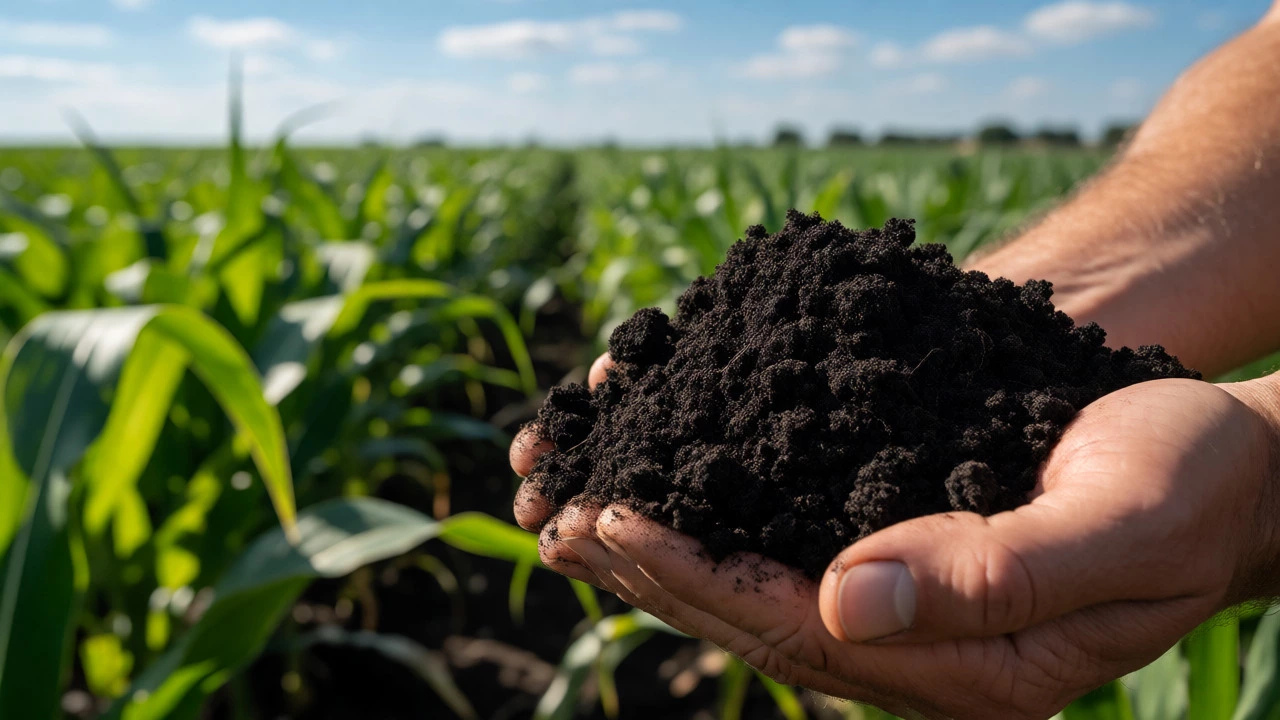
If we had to pick one winner for raw fertility, most agronomists would point straight to Iowa. It holds the title for having the most productive cropland in the nation, largely due to its deep, dark Mollisols. These are soils formed under grasslands, packed with organic matter that feeds plants naturally.
But Iowa isn’t alone. Its neighbor, Illinois, shares the same geological gift. Together, they form the heart of the Corn Belt. This region benefits from the Prairie Pothole Region and the legacy of tallgrass prairies that built up inches of topsoil over millennia. When you buy land here, you’re often buying soil that requires less synthetic nitrogen input than almost anywhere else in the country.
Why does this matter for your wallet? High organic matter means better water retention. In a drought year, Iowa corn might struggle, but it won’t die like corn planted in sandy loam in Florida. You get resilience plus yield. That’s a rare combo.
Not Just Iowa: Other States With Elite Dirt
Focusing only on Iowa misses the bigger picture. Soil quality varies wildly within states, too. A field in southern Iowa might be great, but a rocky patch in northern Minnesota could be terrible. Here’s how other regions stack up when you look at the map:
- Indiana: Often overlooked, Indiana has some of the deepest topsoil in the Midwest. The Wabash River valley offers prime farmland that rivals Iowa’s yields for corn and soybeans.
- Ohio: While parts of Ohio are hilly and eroded, the western counties near Indiana have flat, fertile plains perfect for row crops.
- Wisconsin: Known more for dairy, Wisconsin’s southern tier has excellent soil for growing alfalfa, corn silage, and even cranberries in specific acidic zones.
- Nebraska: The eastern part of Nebraska transitions into the Corn Belt. It’s drier than Iowa, so irrigation matters more, but the native soil productivity is still top-tier.
Notice a pattern? It’s all about the central United States. The Mississippi River basin deposited silt across these states, creating layers of nutrient-dense earth that farmers have used for generations.
The Coastal Plains: Rich but Tricky
Move east, and the story changes. Georgia and the Carolinas have significant agricultural output, especially for peanuts, cotton, and tobacco. But their soil is different. Much of the Southeast sits on Ultisols-reddish, acidic soils that are older and more weathered than Midwestern Mollisols.
Does that make them bad? No. It just makes them expensive to manage. You’ll spend money on lime to adjust pH levels. You’ll deal with erosion issues because the terrain is often sloped. However, the climate allows for longer growing seasons. In Georgia, you might get two crops a year if you manage the water correctly. So, while the soil itself isn’t as naturally fertile as Iowa’s black dirt, the biological activity stays high year-round.
Then there’s the Mississippi Delta. This strip of land along the river is arguably some of the richest soil in North America. It’s heavy clay, prone to flooding, but incredibly productive for cotton and rice. Buying land here is a gamble on flood control infrastructure, but the payoff in yield per acre can be massive.
West Coast Wonders: California’s Paradox
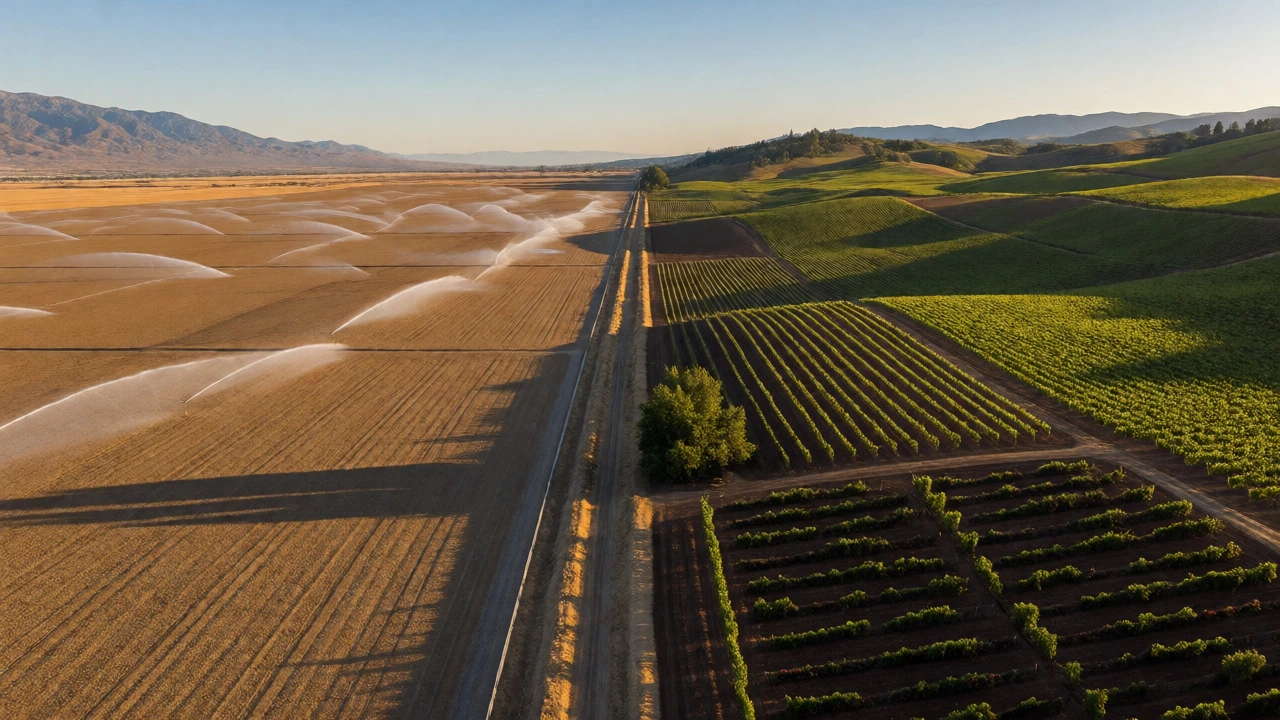
You can’t talk about farming without mentioning California. The Central Valley produces more food by value than any other county in the US. But is the soil the "best"? Technically, yes, it’s highly productive. Practically? It’s dependent on human engineering.
Most of California’s agriculture happens in arid regions. The soil is good, but without water from the Sierra Nevada snowpack, it’s dust. If you’re looking for best soil that works with nature rather than against it, California is tricky. You’re paying for water rights as much as you’re paying for dirt. Salinity is another issue; poor drainage can ruin fertile land quickly if you don’t manage irrigation carefully.
Compare this to the Willamette Valley in Oregon. It has volcanic ash deposits (Andisols) that are incredibly porous and fertile. It’s rain-fed for much of the year, reducing the water bill. For berry growers and vineyards, Oregon’s soil profile is often superior to California’s for sustainability reasons.
How to Evaluate Soil Before You Buy
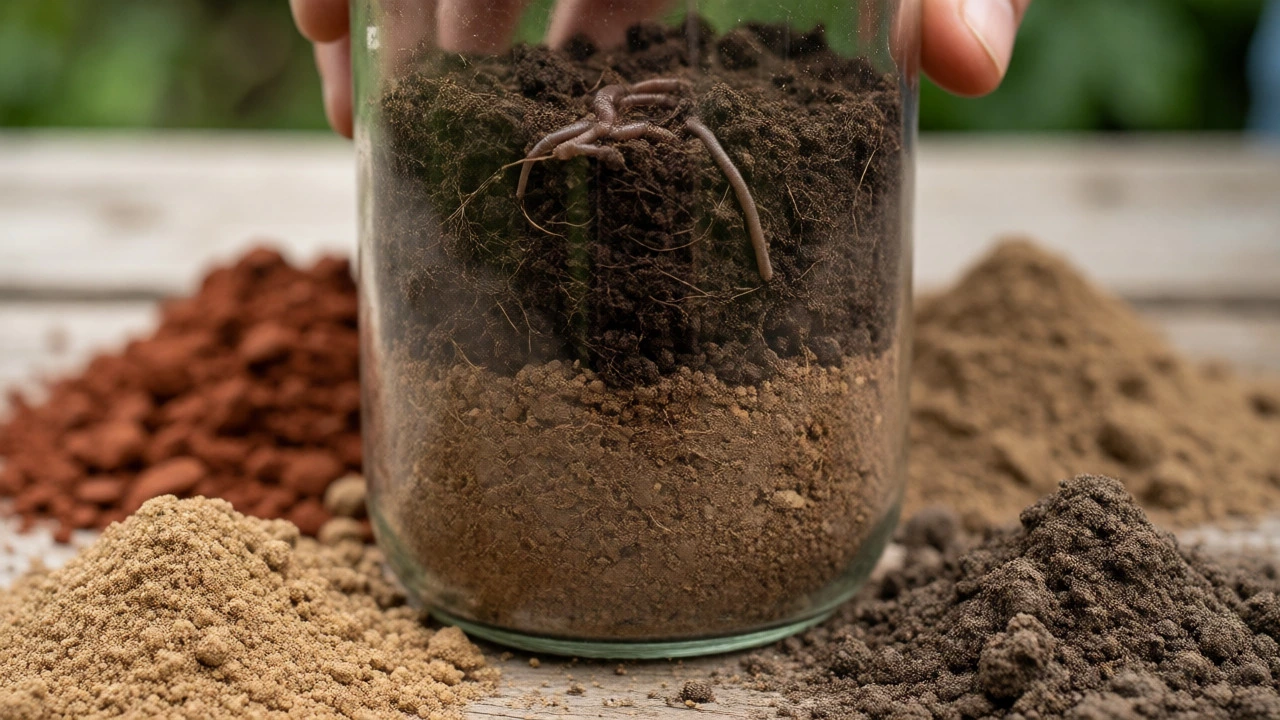
Don’t trust the seller’s word. "Good dirt" is subjective. You need data. When touring properties, bring a shovel and a jar of water. Here’s a quick field test checklist:
- Check the Color: Dark brown or black usually indicates high organic matter. Red suggests iron oxide (common in the South). White or gray can mean poor drainage or high calcium carbonate.
- Feel the Texture: Rub wet soil between your fingers. Gritty means sand. Sticky means clay. Smooth and silky means silt. Loam-a mix-is what you want for most crops.
- Look for Earthworms: Dig a spade-depth hole. Count the worms. More than five per square foot? That’s healthy, living soil. Zero? You’ve got a problem.
- Test the Drainage: Pour a bucket of water in a dug hole. If it pools for hours, you’ll have root rot issues. If it disappears instantly, you’ll need constant irrigation.
For serious buyers, order a professional soil test. It costs $50-$100 per sample but tells you exactly what nutrients are missing. Is your pH off? Do you need phosphorus? This report prevents you from planting crops that will fail in three months.
Comparing Top States for Soil Quality
To help you decide, here’s a breakdown of key metrics for the top contenders. Note that "fertility" refers to natural nutrient content, while "manageability" considers climate and water needs.
| State | Primary Soil Type | Natural Fertility | Water Dependency | Best For |
|---|---|---|---|---|
| Iowa | Mollisol | Very High | Low (Rain-fed) | Corn, Soybeans |
| Illinois | Mollisol | Very High | Low (Rain-fed) | Corn, Soybeans |
| Indiana | Mollisol/Alfisol | High | Low | Row Crops |
| California | Entisol/Mollisol | High (with inputs) | Very High | Fruits, Nuts, Veggies |
| Georgia | Ultisol | Moderate | Moderate | Peanuts, Cotton |
| Oregon | Andisol | High | Moderate | Berries, Vineyards |
Hidden Gems: Where People Overlook Good Soil
Everyone knows Iowa. But competition drives prices up. If you’re looking for value, consider these underrated areas:
North Dakota: The Red River Valley has extremely flat, fertile land. It’s cold, which limits the growing season, but the soil is pristine. Wheat and sunflowers thrive here. Prices per acre are significantly lower than in Iowa, making it attractive for large-scale grain operations.
Texas Panhandle: Not all Texas is dry scrubland. The High Plains area has deep, wind-blown soils (Aridisols) that respond well to irrigation. It’s risky if water tables drop, but for cotton and sorghum, it’s surprisingly productive.
Pennsylvania: The Lancaster County region has famous "Pennsylvania Dutch" farms. The soils are mixed Alfisols and Ultisols. They require careful management due to slope and rainfall, but centuries of manure application have built up incredible organic layers. It’s ideal for diverse small-farm operations.
Final Thoughts on Choosing Your Plot
So, who wins? If you want the easiest path to high yields with minimal chemical inputs, Iowa and Illinois are unbeatable. Their Mollisols are the gold standard of American agriculture.
But "best" depends on what you’re growing. If you’re planting blueberries, Iowa’s alkaline soil will kill them. You’d be better off in the acidic sands of New Jersey or the volcanic soils of Washington. If you’re raising cattle, lush pasture in Kentucky might beat cornfields in Indiana.
Before you buy, define your crop. Then match it to the soil type. Don’t fight geography. Let the land work for you, not against you. And always, always test the dirt before you sign the papers.
Which state has the darkest soil?
Iowa and Illinois typically have the darkest soil due to high concentrations of organic matter in their Mollisols. The dark color indicates a rich buildup of decomposed plant material from ancient prairie grasses, which provides essential nutrients for crops.
Is California soil better than Iowa soil?
It depends on the metric. Iowa soil is naturally more fertile and requires less irrigation. California soil is highly productive but relies heavily on engineered water systems and fertilizers. For low-input farming, Iowa is better. For high-value specialty crops with controlled water access, California is competitive.
What is the most common soil type in the US?
The most widespread soil orders in the US are Alfisols and Entisols. Alfisols are found in humid forests and support diverse agriculture. Entisols are young soils with little development, common in deserts and recently disturbed lands. Mollisols, while smaller in total area, dominate the prime agricultural land.
Can I improve poor soil quality?
Yes, but it takes time and money. Adding compost, cover crops, and adjusting pH with lime or sulfur can improve soil health. However, changing the fundamental texture (like turning clay into loam) is difficult and expensive. It’s often easier to choose crops suited to the existing soil than to change the soil itself.
Does soil quality affect land price?
Absolutely. Farmland in Iowa with deep topsoil can cost $10,000+ per acre, while marginal land in neighboring states might sell for $2,000-$4,000. Investors pay a premium for reliable yields, which are directly tied to soil fertility and depth.