How Many Cows Can You Run on 20 Acres? A Realistic Guide for Small Farms
Jul, 24 2026
Cattle Stocking Rate Calculator for 20 Acres
Enter Your Farm Details
Estimated Cows
head of cattle on 20 acres
Enter your farm details and click the button to see your estimated stocking rate.
Buying a piece of land feels like buying freedom. You see the open fields and immediately picture a peaceful pasture with a few cows wandering around. But here is the hard truth: if you put too many cows on 20 acres, you will destroy your soil, bankrupt yourself on hay bills, and end up with stressed animals. If you put too few, you are leaving money and potential on the table.
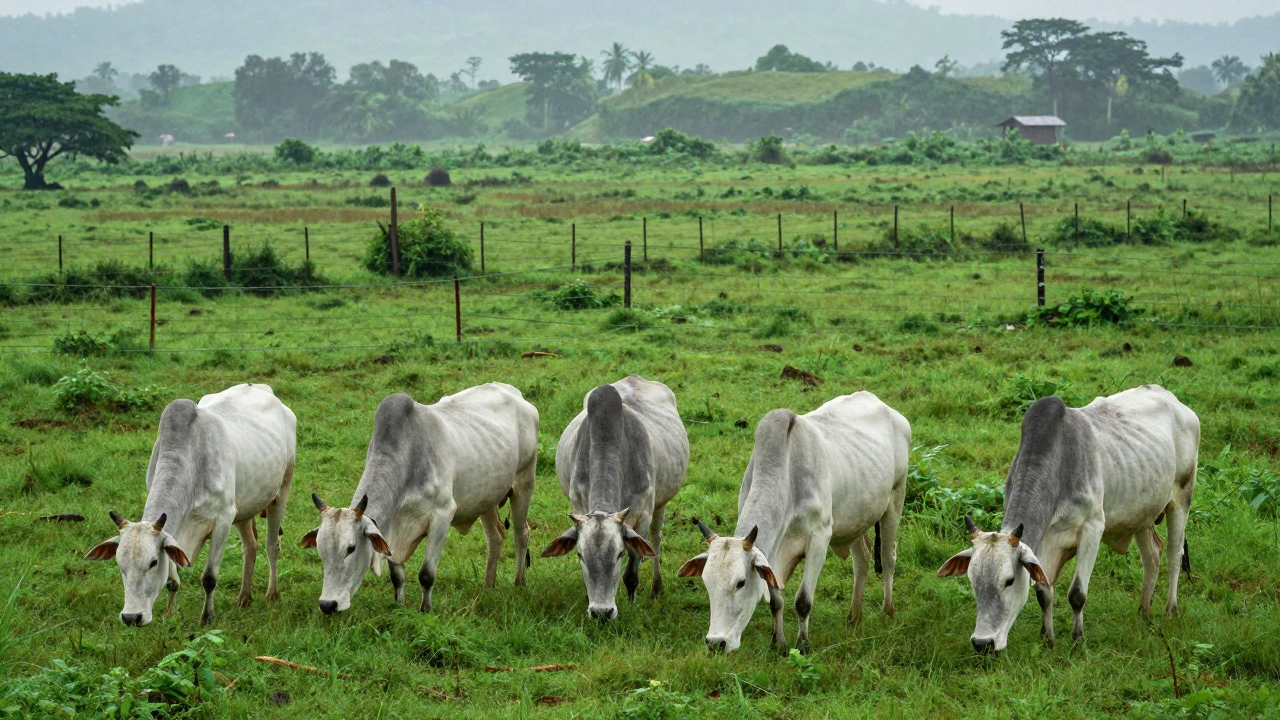
The question "how many cows can I run on 20 acres?" does not have a single number answer. It depends entirely on where you live, what kind of grass grows there, and how you manage it. However, for most people in the United States looking to start a small herd, the realistic range is between 4 and 10 head of cattle. Let’s break down exactly why that number varies so much and how you can calculate the right number for your specific property.
Understanding Stocking Rate: The Math Behind the Grass
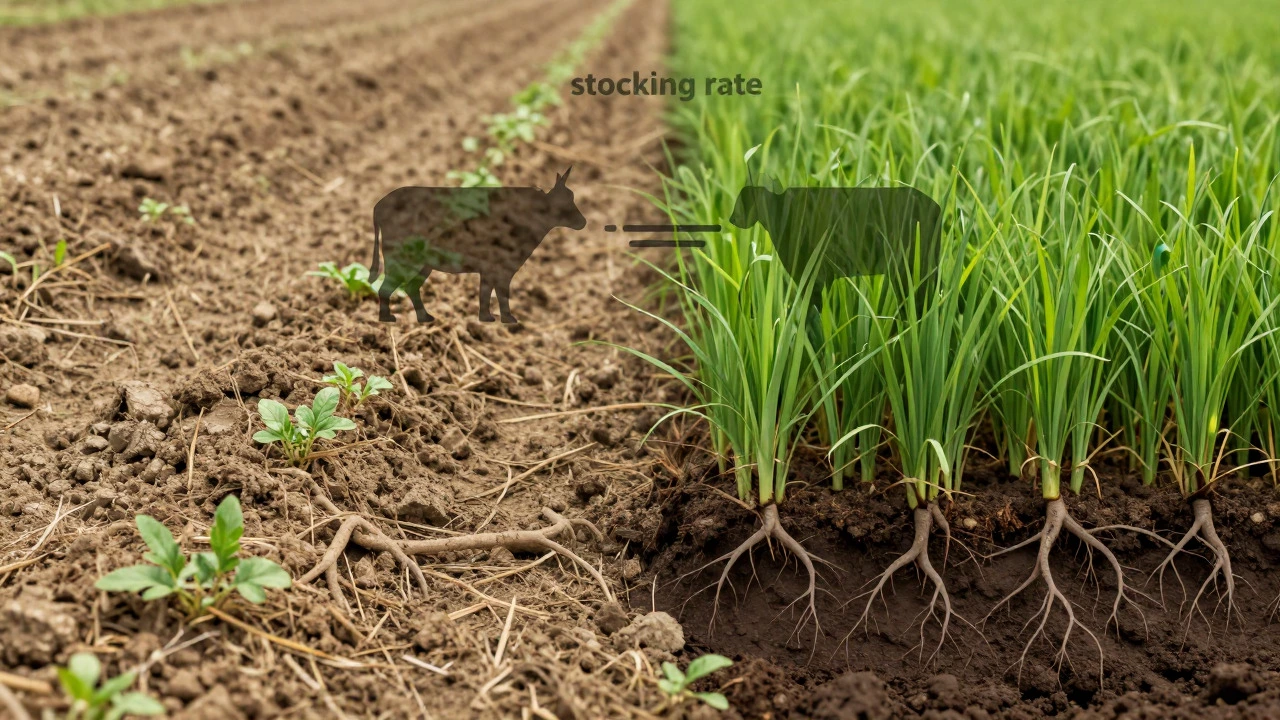
To figure out how many cows fit on your land, you need to understand the concept of stocking ratethe ratio of animal weight to the available forage production on a given area of land. Farmers usually measure this in Animal Unit Months (AUM). One Animal Unit (AU) is typically defined as a 1,000-pound cow. An AUM is the amount of forage required to feed one AU for one month.
In the lush, wet climates of the Pacific Northwest or parts of the Midwest, one acre might produce enough grass to support one cow for an entire month. In drier regions like Texas or California, one acre might only support a quarter of a cow for a month. This variance is why generic advice fails.
- High Rainfall Areas (30+ inches/year): You might support 1 cow per 1-2 acres. On 20 acres, this could mean 10-20 cows, but only if you rotate them aggressively.
- Moderate Rainfall Areas (15-30 inches/year): The standard rule of thumb is 1 cow per 2-2.5 acres. On 20 acres, this equals roughly 8-10 cows.
- Arid/Semi-Arid Areas (<15 inches/year): You might only support 1 cow per 5-10 acres. On 20 acres, you might only safely keep 2-4 cows without supplemental feeding.
If you are in Los Angeles or similar semi-arid zones, do not expect lush green pastures year-round. You will likely need to supplement with hay during the dry summer months, which changes the economics completely.
Why Rotational Grazing Changes Everything
If you fence off all 20 acres and let your cows roam freely, they will eat their favorite grasses first, trample the rest, and leave behind manure patches that kill the grass underneath. This is called continuous grazing, and it is inefficient. To maximize the number of cows you can carry, you need rotational grazinga management practice where livestock are moved frequently between smaller paddocks to allow forage recovery.
By dividing your 20 acres into four or five smaller paddocks using temporary electric fencing, you force the cows to eat evenly. More importantly, you give the grass time to recover. Grass needs about 20-30 days to regrow after being eaten, depending on the season. When grass recovers properly, its root systems deepen, holding more water and producing more biomass.
| Grazing Method | Cows Supported on 20 Acres (Moderate Climate) | Soil Health Impact | Supplemental Feed Needed |
|---|---|---|---|
| Continuous Grazing | 4 - 6 | Poor (soil compaction, weed invasion) | High (hay needed for winter/dry spells) |
| Rotational Grazing | 8 - 10 | Good (better root growth, nutrient cycling) | Moderate (shorter supplementation periods) |
| Adaptive Multi-Paddock | 10 - 12 | Excellent (rapid recovery, high biodiversity) | Low (optimized forage use) |
Implementing rotational grazing requires more labor-you have to move fences and water sources every few days-but it allows you to carry nearly double the herd size compared to traditional methods. For a small farm, this efficiency is often the difference between a hobby and a viable micro-business.
The Hidden Costs: Water, Fencing, and Hay
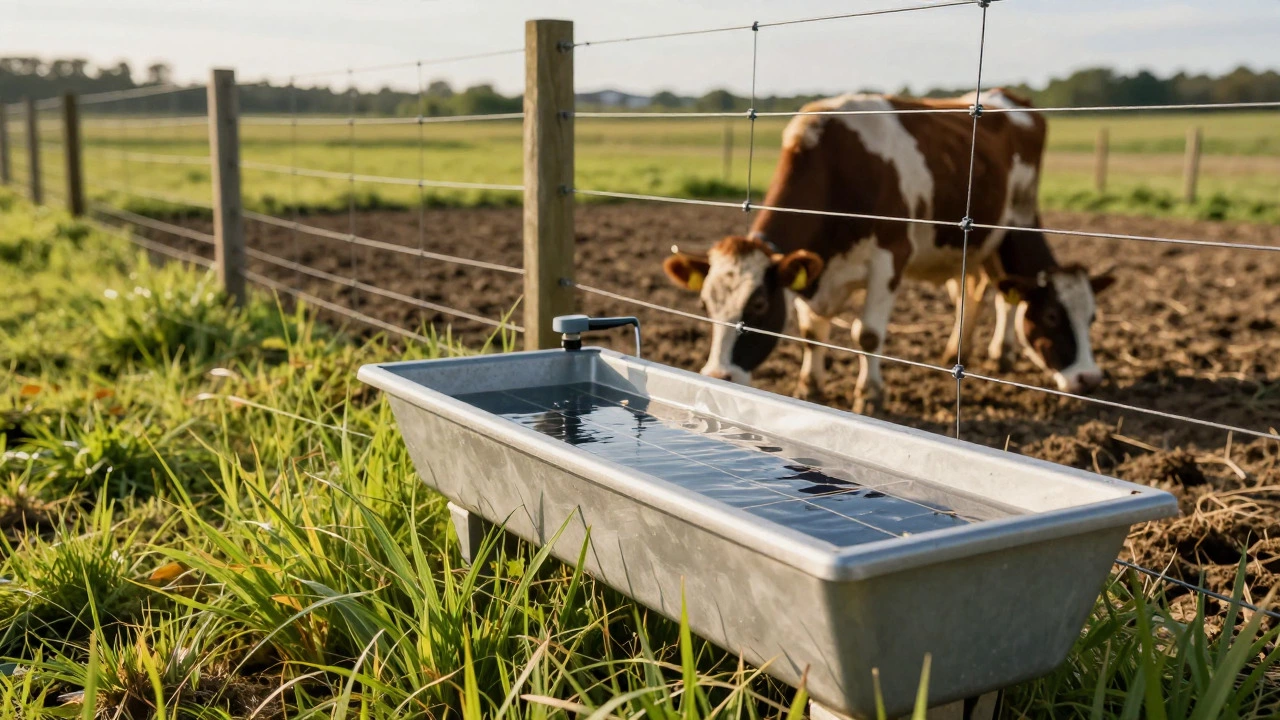
Grass is free, but keeping cows alive is not. Before you buy your first heifer, look at your infrastructure. Cows drink a lot of water. A single cow drinks 5 to 10 gallons of water per day in mild weather, and up to 20 gallons in hot weather. On 20 acres, gravity-fed water troughs might not reach every corner. You may need to install pumps, solar-powered waterers, or haul water by truck. Factor in the cost of electricity or fuel for water delivery.
Fencing is another major expense. Barbed wire is cheap but dangerous for calves and ineffective against determined bulls. High-tensile smooth wire or woven field fence is safer and lasts longer, but costs significantly more. If you plan to rotate, you’ll also need portable electric fencing supplies-polytape, step-in posts, and chargers.
Then there is hay. Even in good years, there are periods when grass growth stalls-early spring or late fall. In drought years, you might be feeding hay for six months straight. A cow eats about 2% of its body weight in dry matter daily. For a 1,200-pound cow, that’s 24 pounds of dry matter. Since hay is not 100% dry matter and some is wasted, you should budget for roughly 30-40 pounds of baled hay per cow per day. Calculate your local hay prices; if hay is $300 per ton, you are spending significant money just to keep the lights on.
Choosing the Right Breed for Small Acreage
Not all cows are created equal. Bringing a massive Angus steer onto 20 acres is a mistake. Large breeds require more calories and more space. Instead, consider dwarf or miniature cattle breedssmaller varieties of cattle such as Dexter, Lowline, or Highland that require less forage and space. Breeds like Dexters or Highlands weigh only 800-1,000 pounds. They eat less, cause less soil compaction, and are easier to handle manually. This means you might comfortably keep 10-12 Dexters on 20 acres, whereas you might only fit 6 full-sized Angus cows.
If you are raising beef, crossbreeding can also help. Crossing a smaller maternal breed with a larger terminal sire can give you efficient mothers that thrive on marginal land while still producing market-weight calves.
Regulatory Hurdles and Neighborhood Relations
Just because you *can* fit 10 cows on your land doesn’t mean the law allows it. Check your local zoning ordinances. Many suburban areas classify cattle as livestock, which may require minimum acreage setbacks from neighbors. Some HOAs ban livestock entirely. Others limit the number of animals based on square footage.
Smell and flies are the biggest complaints from neighbors. Proper manure management is key. By rotating pastures, manure is spread evenly and broken down by insects and microbes rather than accumulating in wallows. Keeping pastures trimmed and avoiding overgrazing reduces fly breeding grounds. Being a good neighbor might mean planting buffer strips of trees or shrubs along property lines to block views and odors.
Step-by-Step Plan to Start Your Herd
- Test Your Soil: Before buying cows, test your soil pH and nutrient levels. Poor soil produces poor grass. Lime and fertilize as needed to boost forage quality.
- Assess Water Access: Ensure you have a reliable, clean water source within walking distance of all grazing areas. Install automatic waterers if possible to reduce contamination.
- Install Permanent Infrastructure: Build strong perimeter fencing first. Then set up barns or shelters for protection from extreme weather.
- Start Small: Begin with 2-3 cows. Learn their behavior, health needs, and how your land responds to their grazing before expanding.
- Implement Rotation: Divide your 20 acres into at least 4 paddocks. Move cows every 7-14 days initially, then shorten intervals as you learn the system.
- Monitor Forage Growth: Use a rising plate meter or visual assessment to ensure grass is recovering adequately between grazings. Adjust stocking rates seasonally.
Is It Worth It?
Running cows on 20 acres is rarely a get-rich-quick scheme. It is a lifestyle choice that demands daily attention. However, if you value fresh meat, natural fertilizer for gardens, and the therapeutic rhythm of farm life, it can be deeply rewarding. The key is starting conservatively. Overstocking is the fastest way to fail. Understocking gives you room to learn, improve your soil, and expand gradually. Treat your land as a living system, not just a container for animals, and both your cows and your wallet will thank you.
How many cows can I keep on 20 acres in California?
In California's semi-arid climate, you can realistically keep 4-6 full-sized cows on 20 acres if you use rotational grazing and supplement with hay during the dry summer months. Without supplemental feeding, the number drops to 2-3 cows due to limited natural forage production.
Do I need a barn for cows on 20 acres?
While not strictly necessary in mild climates, a simple three-sided shelter or windbreak is highly recommended. Cows need protection from extreme heat, cold rain, and harsh winds. A basic pole barn costing $10,000-$20,000 can extend your grazing season and improve animal health.
What is the best breed of cow for small farms?
Dexter cattle are widely considered the best breed for small farms due to their small size (800-1,000 lbs), gentle temperament, and efficiency in converting grass to meat and milk. Other good options include Highlands for rough terrain and Jersey cows if you want dairy.
How much does it cost to feed one cow per year?
If grazing exclusively on high-quality pasture with rotational management, feed costs can be under $100 per year. However, if you need to supplement with hay for half the year, expect to spend $500-$800 per cow annually, depending on local hay prices.
Can I raise cows and horses on the same 20 acres?
Yes, mixing species can actually benefit pasture health. Cows eat grass, while horses prefer weeds and broader leaves. They also have different parasite cycles, reducing reinfection risks. However, calculate their combined weight carefully; a horse counts as roughly 0.7-1.0 Animal Units, similar to a cow.