What is a T3 Apartment? A Complete Guide to Layouts, Sizes, and Pricing
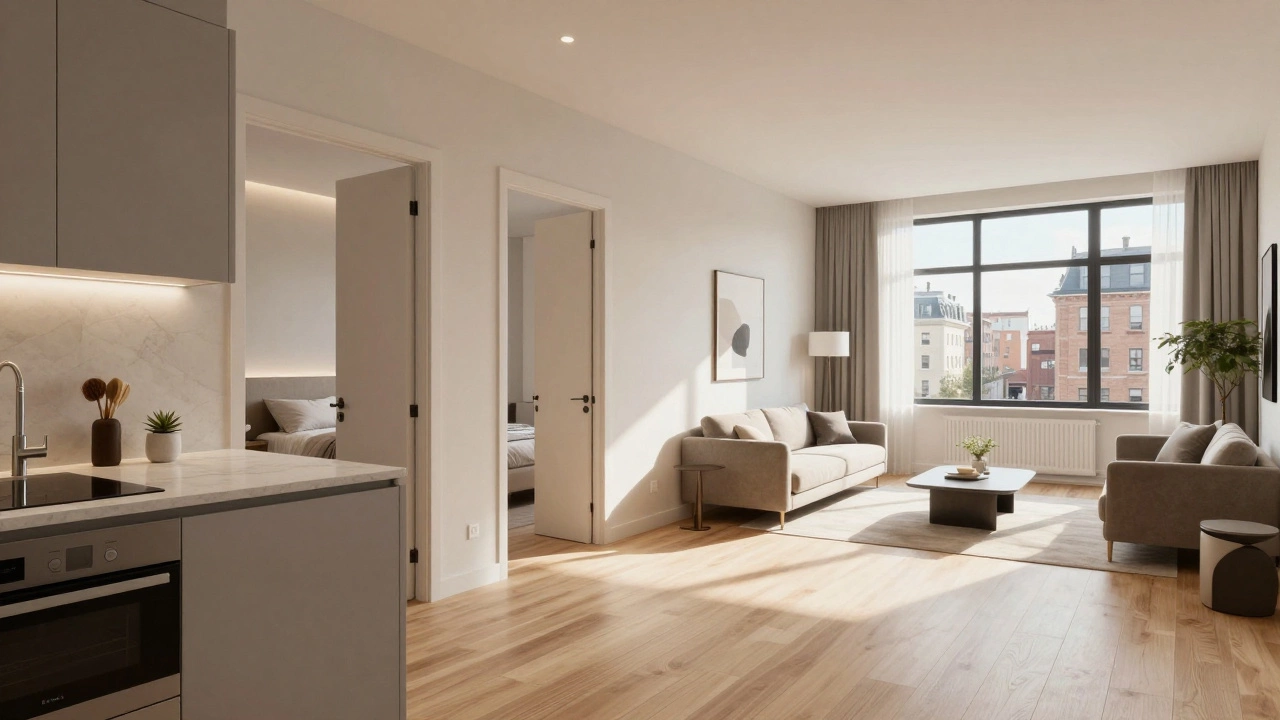
May, 8 2026
T-Apartment Type & Size Estimator
Input Details
Enter details and click "Analyze Apartment" to see results.
You’ve probably seen listings for "T1," "T2," or "T3" apartments while browsing real estate sites, especially if you’re looking at properties in Europe. If you’re from the United States or another region that uses different housing terminology, these letters can be confusing. You might wonder: Does T3 mean three bedrooms? Three bathrooms? Or something else entirely?
Understanding what a T3 apartment actually means is crucial before you sign a lease or make an offer. The term isn’t just a random code; it’s a standardized way of describing the internal structure of a home. In this guide, we’ll break down exactly what a T3 apartment is, how it differs from other layouts, and why this specific configuration is so popular among families and professionals alike.
The Meaning Behind the "T" Classification
To understand a T3 apartment, you first need to understand the classification system itself. In many European countries, particularly France, Spain, Portugal, and Italy, the letter "T" stands for "Type" or refers to the number of main living spaces. This system simplifies property descriptions by focusing on functional rooms rather than square footage alone.
Unlike the American system, which often describes homes by total bedrooms and bathrooms (e.g., "2-bed/1-bath"), the T-system counts distinct enclosed rooms intended for sleeping or private use. Here is how the basic scale works:
- T0: Studio apartments with no separate bedroom. The living area and sleeping area are combined.
- T1: One-bedroom apartments. These have one dedicated bedroom and a separate living space.
- T2: Two-bedroom apartments. These feature two bedrooms and a living room.
- T3: Three-bedroom apartments. These include three bedrooms and a living room.
So, when you see a listing for a T3 apartment, you are looking at a unit with three bedrooms. It’s important to note that the kitchen and bathrooms are not counted in the "T" number. They are considered auxiliary spaces. This distinction matters because a T3 apartment will always have more privacy and flexibility than a T2, regardless of its total size.
Typical Layout and Room Configuration
A standard T3 apartment follows a predictable layout designed to maximize functionality. While architectural styles vary, most T3 units share common structural elements. Understanding these helps you visualize your daily life in the space.
| Room Type | Quantity | Typical Function |
|---|---|---|
| Bedrooms | 3 | Sleeping areas, home offices, or guest rooms |
| Living Room | 1 | Main social space, dining area |
| Kitchen | 1 | Cooking and food storage (may be open or closed) |
| Bathrooms | 1-2 | Hygiene facilities; larger units often have two |
In many older buildings, especially in cities like Paris or Barcelona, T3 apartments might only have one bathroom. However, modern constructions frequently include a second half-bath or full bathroom to accommodate the extra occupants. The third bedroom is often smaller than the primary two, sometimes serving as a nursery, a study, or a walk-in closet in luxury units.
The living room in a T3 apartment is typically the largest single space after combining all bedrooms. It serves as the central hub for family interaction. In open-plan designs, the kitchen may flow directly into the living area, making the space feel larger and more connected. This layout is particularly appealing for young families who want to keep an eye on children while preparing meals.
Size Expectations: Square Meters vs. Square Feet
One of the biggest misconceptions about T3 apartments is assuming they are all the same size. A T3 in a dense urban center like London or Milan will look very different from a T3 in a suburban area or a less expensive city. The "T" designation tells you about the room count, not the floor area.
Generally, a T3 apartment ranges between 75 and 100 square meters (approximately 800 to 1,075 square feet). However, this can vary significantly:
- Compact Urban T3: May be as small as 65-75 sqm. These units prioritize efficiency, with smaller bedrooms and minimal hallways. Common in high-rise buildings in city centers.
- Standard Family T3: Usually falls between 80-95 sqm. Offers comfortable bedroom sizes and a decent-sized living room. Ideal for middle-class families.
- Spacious/Luxury T3: Can exceed 100 sqm. Features large windows, separate dining areas, multiple balconies, and premium finishes. Often found in newer developments or historic mansions converted into apartments.
If you’re used to American real estate terms, think of a T3 as roughly equivalent to a 3-bedroom, 1-to-2-bathroom condo. However, European apartments often have higher ceilings and thicker walls, which can affect the perceived spaciousness even if the square footage is similar.
Who Is a T3 Apartment For?
The T3 layout strikes a balance between space and affordability, making it versatile for several types of residents. It’s not just for large families. Here are the most common profiles for T3 apartment dwellers:
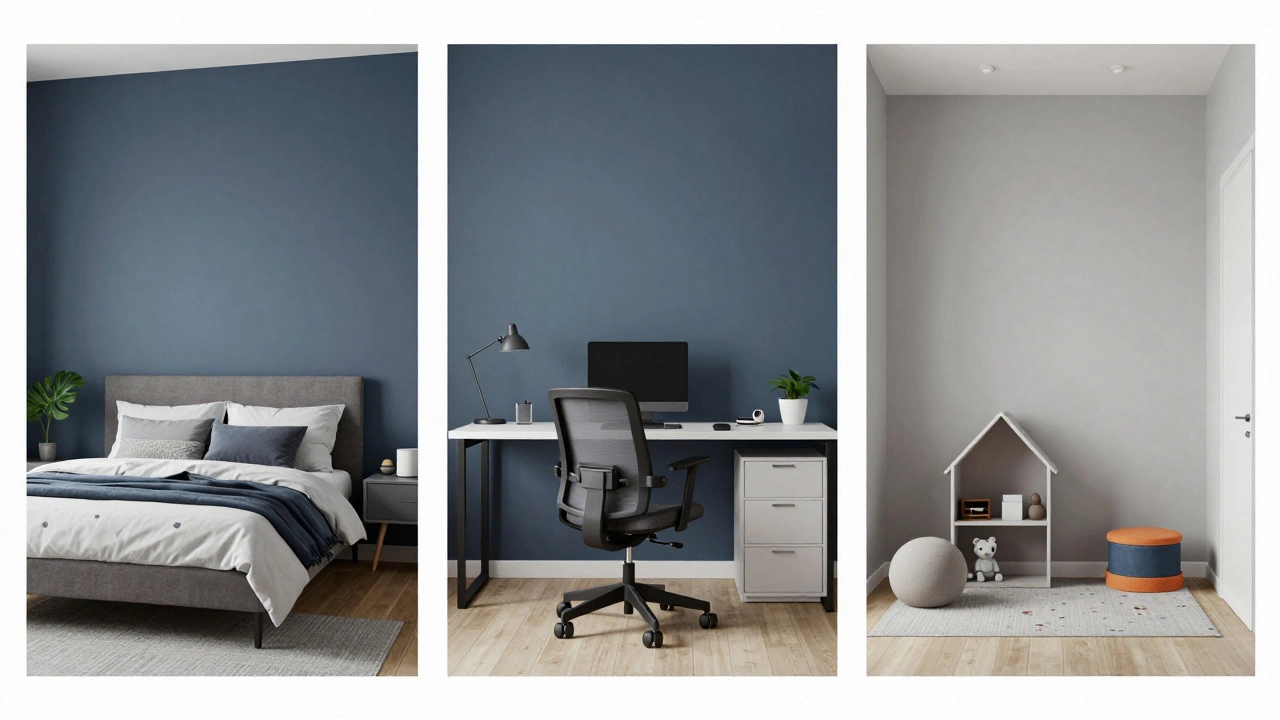
Families with Children: This is the most traditional demographic. Parents get their own master bedroom, each child gets a private room, and the living room provides shared space. As children grow, the third bedroom can transition into a teen’s retreat or a playroom.
Remote Workers and Professionals: With the rise of remote work, many professionals prefer T3 apartments over T2s. One bedroom serves as a sleeping area, a second becomes a dedicated home office, and the third can be a gym, library, or guest room. This separation improves work-life balance by keeping professional activities out of the bedroom.
Multi-Generational Households: In cultures where grandparents live with their adult children, a T3 apartment allows for privacy without requiring a larger house. Each generation has its own bedroom, reducing conflict and maintaining independence.
House Sharers: Three friends or colleagues might rent a T3 apartment together. Each person gets a private bedroom, while sharing the kitchen and living room. This is common in university towns or major job hubs where rent prices are high.
T3 vs. T2 vs. T4: Making the Right Choice
Deciding whether a T3 is right for you depends on comparing it to adjacent options. Let’s look at the trade-offs between T2, T3, and T4 apartments.
| Feature | T2 Apartment | T3 Apartment | T4 Apartment |
|---|---|---|---|
| Bedrooms | 2 | 3 | 4+ |
| Avg. Size | 50-70 sqm | 75-100 sqm | 100+ sqm |
| Price Point | Moderate | Higher | Premium |
| Best For | Couples, singles | Families, sharers | Large families, luxury seekers |
| Resale Value | High demand | Strong demand | Niche market |
A T2 apartment is more affordable and easier to maintain but lacks the flexibility for guests or home offices. A T4 offers more space but comes with higher costs, including rent, utilities, and maintenance. The T3 sits in the sweet spot: enough space for comfort and versatility, but not so large that it becomes burdensome to clean or heat.
Key Considerations Before Renting or Buying
Before committing to a T3 apartment, consider these practical factors that impact your daily life:
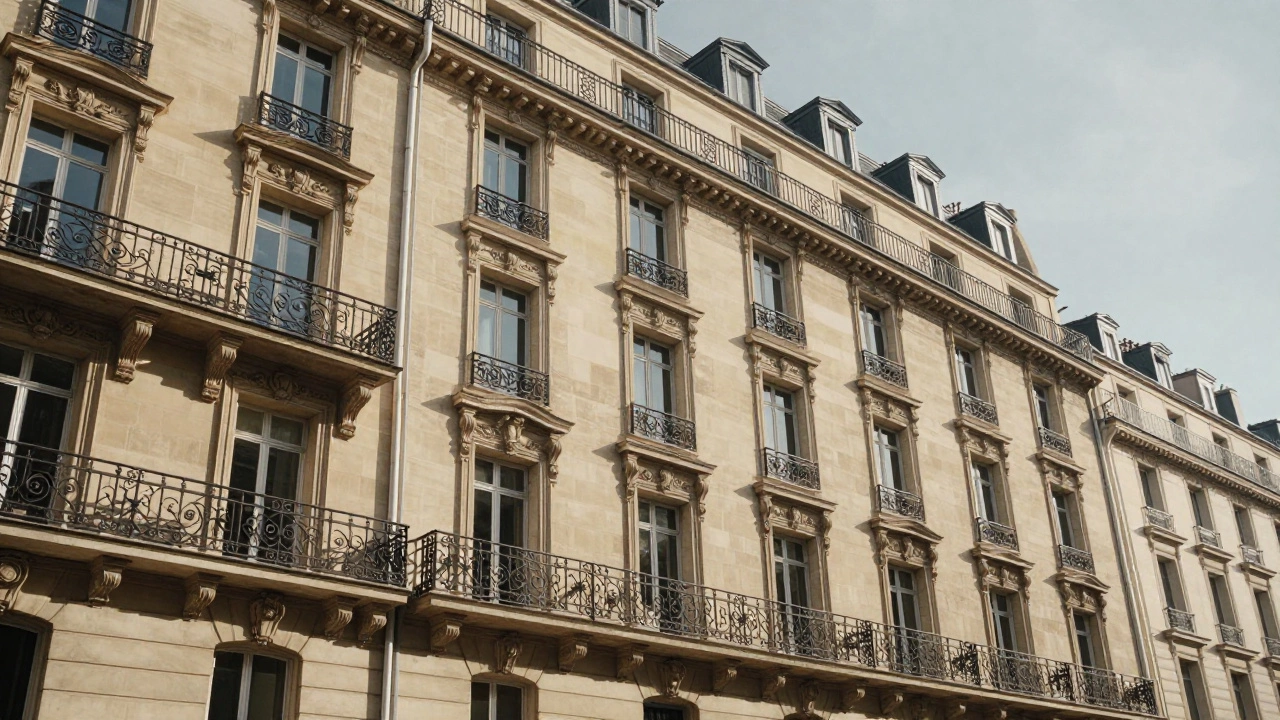
- Location and Noise: In older buildings, T3 apartments may lack soundproofing. Check the quality of windows and doors, especially if you plan to use one room as a quiet workspace.
- Natural Light: Ensure all three bedrooms receive adequate daylight. Some T3 layouts have one interior-facing bedroom, which can feel dark and cramped.
- Storage Space: With three bedrooms, you’ll accumulate more belongings. Look for built-in closets or additional storage areas like cellars or balconies.
- Energy Efficiency: Larger apartments consume more energy. Ask about insulation quality, heating systems, and whether the building has double-glazed windows.
- Future Needs: Think ahead five years. Will you still need three bedrooms? If your children move out, a T3 might become too large and expensive to maintain.
Also, check local regulations regarding short-term rentals. In some cities, renting out part of your T3 apartment on platforms like Airbnb is restricted, which could affect your investment strategy if you plan to generate income from spare rooms.
Conclusion
A T3 apartment is more than just a label-it represents a specific lifestyle choice. It offers the perfect blend of privacy, functionality, and space for families, remote workers, and house sharers. By understanding the layout, size expectations, and target demographics, you can make an informed decision that aligns with your needs and budget. Whether you’re buying or renting, knowing what you’re getting ensures a smoother transition into your new home.
Is a T3 apartment the same as a 3-bedroom apartment?
Yes, essentially. In countries using the T-system, T3 stands for three bedrooms. It includes three sleeping rooms plus a living room, kitchen, and bathroom(s).
How big is a typical T3 apartment in square feet?
A typical T3 apartment ranges from 800 to 1,075 square feet (75-100 square meters), though compact urban units may be smaller and luxury units larger.
Can a T3 apartment be used for remote work?
Absolutely. The third bedroom is ideal for setting up a dedicated home office, separating work life from personal space.
Are T3 apartments more expensive than T2s?
Yes, T3 apartments generally cost more due to larger size and additional rooms. However, they offer better value per square foot for families.
Where is the T classification system used?
The T-system is primarily used in European countries such as France, Spain, Portugal, Italy, and Belgium for real estate listings.