What Is Proof of Property Ownership? Key Documents Explained
Nov, 17 2026
Property Ownership Proof Checker
Select a document type to understand its legal weight, who issues it, and when you should use it.
You just closed on your dream home in Los Angeles. The keys are in your hand, the moving trucks are gone, and you’re finally standing in your own living room. But then a friend asks, "Do you have proof that you actually own this place?" You might think, "Well, I live here!" But when it comes to selling, refinancing, or dealing with legal disputes, living there isn't enough. You need paper. Specifically, you need proof of property ownership, which is the legal documentation that establishes your rights to a piece of land or a building.
This isn’t just bureaucratic red tape. Without clear proof, you can’t sell your house, you might struggle to get a loan, and you could face headaches during tax season. So, what exactly counts as proof? It’s not just one single document; it’s usually a combination of records held by government agencies and financial institutions. Let’s break down exactly what these documents are, why they matter, and how to make sure yours are in order.
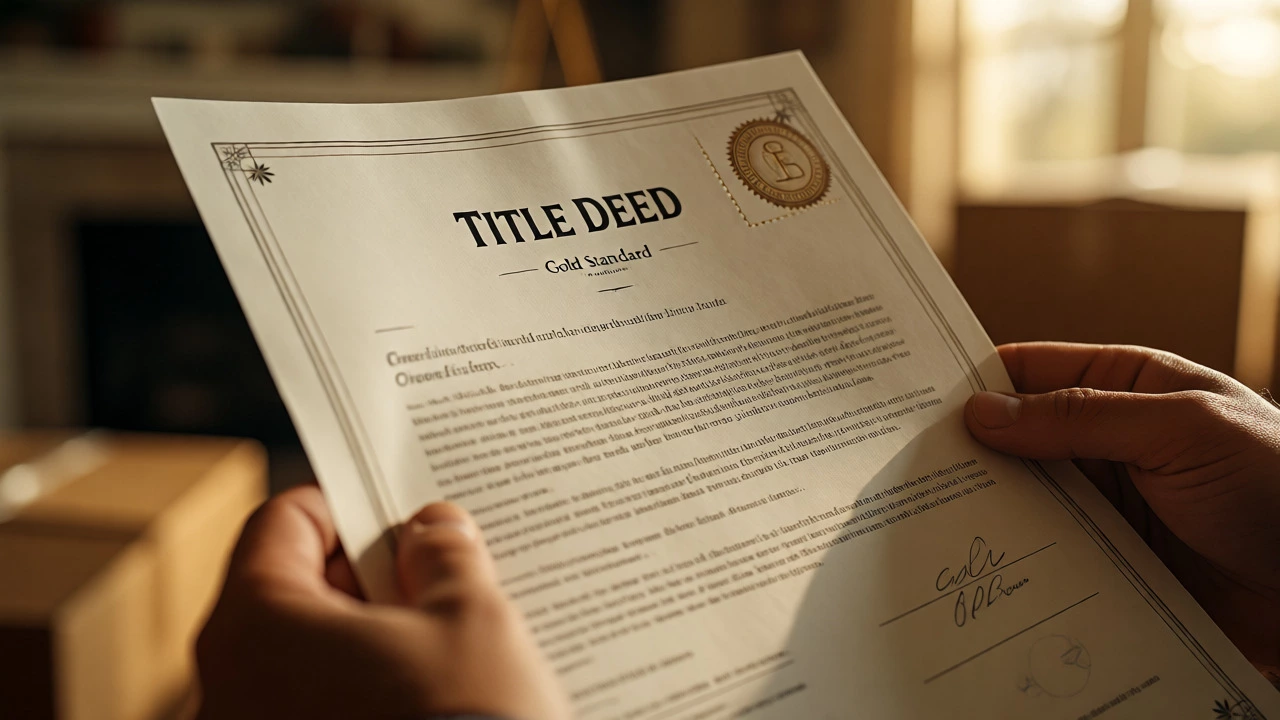
The Gold Standard: The Title Deed
If there is one document everyone thinks of when they hear "ownership," it’s the Title Deed. This is the official legal instrument that transfers ownership from the seller to you. In many jurisdictions, including most states in the US, the deed is recorded with the county recorder’s office where the property is located.
Think of the deed as the birth certificate of your ownership. It doesn’t just say you bought the house; it defines *how* you own it. Are you the sole owner? Do you own it jointly with a spouse? These details matter because they dictate what happens if you pass away or want to sell your share. There are different types of deeds, such as Warranty Deeds (which guarantee the title is clean) and Quitclaim Deeds (which transfer whatever interest the seller has, without guarantees). For most residential purchases, you want a General Warranty Deed.
Here’s the catch: having a copy of the deed in your file cabinet is good, but the recorded deed is what matters legally. If you haven’t checked that your deed was officially recorded with the local county clerk, do it now. An unrecorded deed might protect you against the seller, but it won’t necessarily protect you against a third party who claims to have bought the same property from someone else.
The Public Record: Property Tax Bills
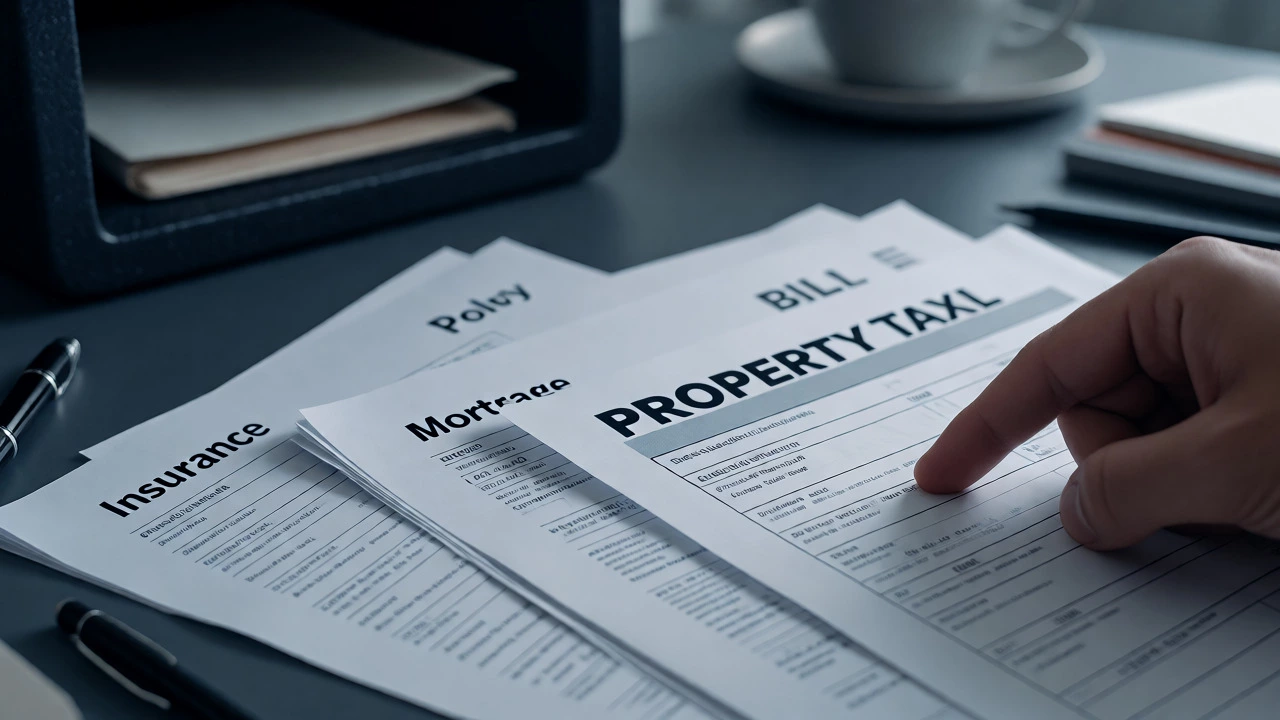
You might be surprised to learn that your annual Property Tax Bill is often accepted as secondary proof of ownership. Why? Because the local government assesses taxes based on who is listed in their records as the owner.
Tax bills aren’t perfect proof-they don’t prove you paid off the mortgage, for instance-but they are excellent evidence that the state recognizes you as the responsible party for that specific parcel. If you’ve lost your deed, a recent tax bill can help kickstart the process of retrieving official copies from the county. Just make sure the name on the bill matches your current legal name. If you recently got married or divorced, update your records with the assessor’s office immediately to avoid confusion later.
Mortgage Statements and Payoff Letters
Does owning a house mean you own it free and clear? Not always. If you have a mortgage, the bank technically holds a lien on your property until you pay it off. So, does the bank "own" your house? No, but they have a legal claim on it.
In this scenario, your Mortgage Statement serves as proof of your financial relationship with the property. While it doesn’t prove full ownership like a deed does, it proves you are the borrower and the primary resident responsible for the asset.
When you finally pay off your loan, you receive a Release of Lien or a Satisfaction of Mortgage. This is crucial. Once you get this document, record it with the county. Until you do, public records still show a debt attached to your home, which can scare off potential buyers or lenders.
Why Does This Matter? Real-World Scenarios
You might wonder, "I’m not selling anytime soon. Why worry about paperwork?" Here are three common situations where lacking proper proof creates chaos:
- Selling Your Home: Buyers’ title companies will dig deep. If your chain of title (the history of ownership) has gaps or errors, the sale can stall. Fixing these issues takes time and money.
- Refinancing: Lenders require a clear title. If your records are messy, you might end up paying higher interest rates or facing delays.
- Legal Disputes: Imagine a neighbor builds a fence over your property line. To sue for encroachment, you need precise surveys and deeds to prove exactly where your boundary ends.
How to Retrieve Lost Documents
So, you’ve looked through your files and can’t find your deed. Don’t panic. Most of these documents are public records. Here is how you can get them back:
- Contact the County Recorder: Go to the website of the county where your property is located. Many offer online search tools where you can look up your address and download certified copies of deeds for a small fee.
- Check with Your Title Company: If you bought the home recently, the company that handled your closing likely kept digital copies. They can often email you a PDF within minutes.
- Hire a Title Search Firm: If the records are old or complicated, a professional title searcher can trace the history of the property for you. This costs more but saves you the headache of navigating archives.
| Document Type | Who Issues It? | Strength as Proof | Best Used For |
|---|---|---|---|
| Title Deed | County Recorder / Seller | High (Primary) | Proving legal right to sell or transfer |
| Property Tax Bill | Local Government Assessor | Medium (Secondary) | Quick verification for simple transactions |
| Mortgage Statement | Lender / Bank | Low (Contextual) | Proving residency and financial responsibility |
| Homeowners Insurance Policy | Insurance Company | Low (Supportive) | Showing insurable interest and occupancy |
Digital Records and Blockchain Titles
We are living in 2026, and the way we store proof of ownership is changing. Some counties are experimenting with Digital Land Registries. Instead of physical books or even standard PDFs, these systems use secure databases that allow instant verification of ownership.
Even more futuristic is the concept of blockchain-based titles. Pilot programs in places like Cook County, Illinois, and parts of Sweden have tested recording deeds on distributed ledgers. The promise? Instant transparency and reduced fraud. While traditional paper trails still dominate most of the US, keeping an eye on digital adoption is smart. If your county offers a digital portal, set up an account today. It makes retrieving documents effortless.

Common Pitfalls to Avoid
People often make mistakes that complicate their ownership status. Here are the big ones:
- Ignoring Name Changes: If you change your name after marriage or divorce, your deed might still list your old name. Legally, you’re still the owner, but banks and buyers hate discrepancies. File a corrective affidavit with the county.
- Not Recording the Deed: As mentioned, an unrecorded deed is vulnerable. Always ensure the transaction is finalized at the recorder’s office.
- Losing the Original: While copies are fine for most daily tasks, keep the original deed in a fireproof safe or a bank safety deposit box. Never leave it in a shoebox under the bed.
Frequently Asked Questions
Is a bill of sale the same as a title deed?
No. A bill of sale is used for personal property like cars or furniture. For real estate, you need a deed. A bill of sale alone does not transfer legal title to land or buildings.
Can I use my homeowners insurance policy as proof of ownership?
It is considered weak proof. Insurance shows you have an "insurable interest" in the property, meaning you would suffer financially if it were damaged. However, renters also have insurance, so it doesn’t prove you own the structure itself.
What happens if I lose my original title deed?
You can obtain a certified copy from the county recorder’s office. In some jurisdictions, you may need to file an affidavit stating the original was lost before receiving a certified duplicate. This duplicate carries the same legal weight as the original for most purposes.
Does paying property taxes prove I own the house?
It is strong circumstantial evidence, but not absolute proof. Anyone can pay taxes on a property they don’t own. However, consistent payment combined with a deed or other records solidifies your claim.
How long should I keep my property documents?
Keep your deed forever. Keep mortgage statements for at least seven years after paying off the loan. Keep tax receipts for at least seven years, as this aligns with IRS audit periods for capital gains calculations.
Next Steps for Homeowners
Take ten minutes today. Log into your county’s property appraiser website. Look up your address. Check if the name on the record matches your ID. Download a copy of your deed. Save it to the cloud. Then, print a hard copy and put it in your safe.
If you discover any errors-like a misspelled name or an incorrect square footage-address them now. Fixing a title issue while you’re sitting comfortably in your home is far cheaper and less stressful than trying to fix it while a buyer is waiting to close.