What is the Brrrr Method? A Guide to Commercial Property Tax Savings
Nov, 20 2026
BRRRR Method Commercial Property Calculator
Enter your deal details below to see if you can pull out your initial capital through refinancing based on Net Operating Income (NOI).
Enter values and click Calculate to see results.
You’re staring at a spreadsheet that looks like it’s fighting back. The numbers don’t add up. You bought a nice apartment building, but after repairs, taxes, and insurance, you’re barely breaking even. Maybe you’re actually losing money every month. It feels like throwing cash into a hole, right? But then you hear about this weird acronym: BRRRR a real estate investment strategy that stands for Buy, Rehab, Rent, Refinance, Repeat. Sounds like a meme, doesn’t it? But for many investors, it’s the engine that turns dead equity into liquid cash.
Here’s the twist most people miss: while BRRRR started in residential real estate, it works differently-and often better-in the commercial world. Why? Because commercial loans care about one thing above all else: Net Operating Income (NOI). If you can boost NOI, banks will lend you more money. This article breaks down exactly how the BRRRR method works, where it goes wrong, and how you can use it to scale your portfolio without draining your savings account.
The Core Concept: Turning Illiquid Equity Into Cash
Most beginners think real estate wealth comes from appreciation over ten years. That’s true, but it’s slow. BRRRR is about speed and recycling capital. Imagine you buy a distressed office building for $500,000. You spend $100,000 fixing it up. Total cost: $600,000. After renovations, you rent it out to a solid tenant, pushing the value to $800,000. Now, you go to a bank and refinance the loan based on that new $800,000 value. Let’s say they’ll give you 75% of that value-$600,000. You pay off your original debt, pull out your initial $600,000, and now you own a cash-flowing asset with zero of your own money left in the deal. Or maybe just a little bit.
This isn’t magic. It’s math. But it requires three specific things to work:
- Value Add Potential: The property must be undervalued or underutilized.
- Creditworthiness: Banks need to trust you enough to lend against future income.
- Execution Speed: Every day the property sits empty, you lose money.
If you lack any of these, BRRRR becomes a liability, not an asset.
Step 1: Buy Right (The Deal Is Made Here)
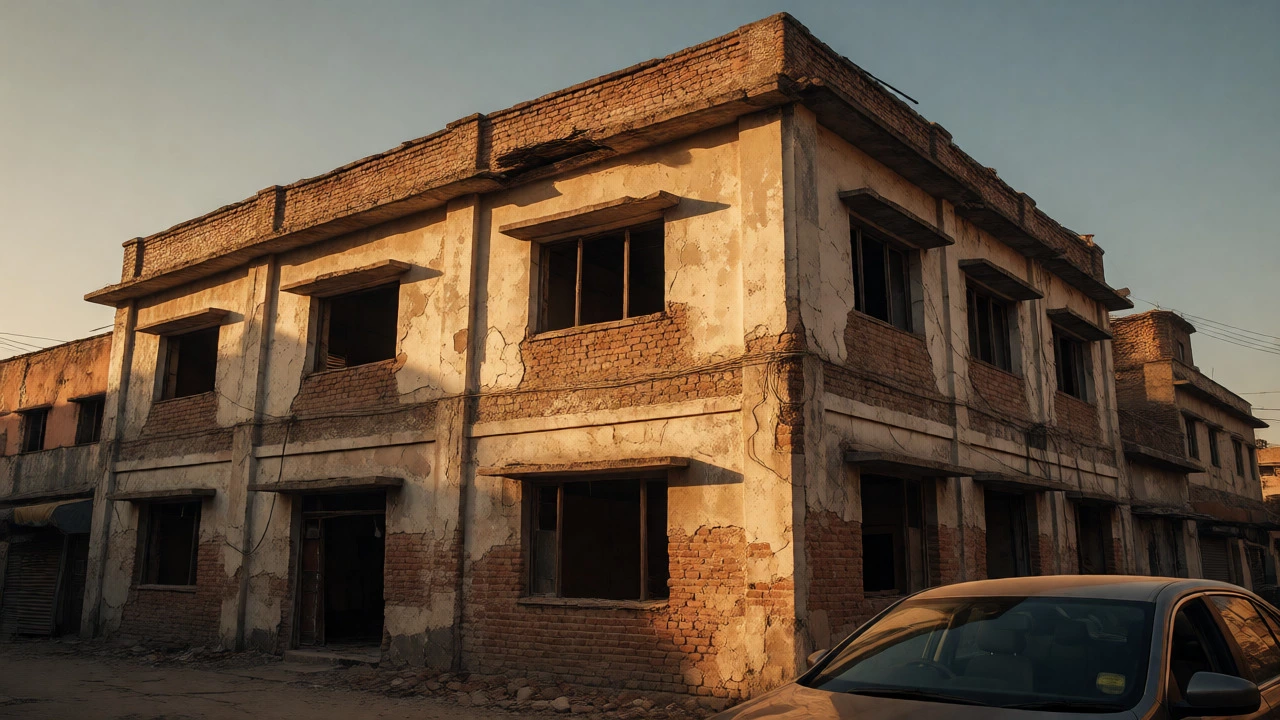
People obsess over renovations, but if you buy wrong, no amount of new paint saves you. In commercial real estate, "Buy" means finding properties where the current owner is selling below market value due to vacancy, deferred maintenance, or distress. You aren’t looking for turnkey perfection; you’re looking for problems you can solve cheaper than someone else can.
How do you spot these deals? Look for buildings where the cap rate (capitalization rate) is artificially high because of vacancies. For example, if a retail center has two empty units, its NOI drops. Fix those units, lease them, and the NOI jumps. That jump creates the equity you’ll tap later.
| Factor | Residential BRRRR | Commercial BRRRR |
|---|---|---|
| Valuation Basis | Comparable sales (comps) | Income approach (Cap Rate & NOI) |
| Refinance Criteria | Appraised value + Credit Score | Debt Service Coverage Ratio (DSCR) |
| Lease Terms | Month-to-month or 1-year | 3-10 year leases |
| Risk Profile | Higher vacancy risk per unit | Tenant credit risk is higher impact |
Notice the difference in valuation? In residential, you look at what neighbors sold for. In commercial, you look at how much cash the building makes. This distinction is critical. If you try to force a commercial BRRRR using residential logic, you’ll get stuck with a loan that doesn’t cover your costs.
Step 2: Rehab Smart (Not Hard)
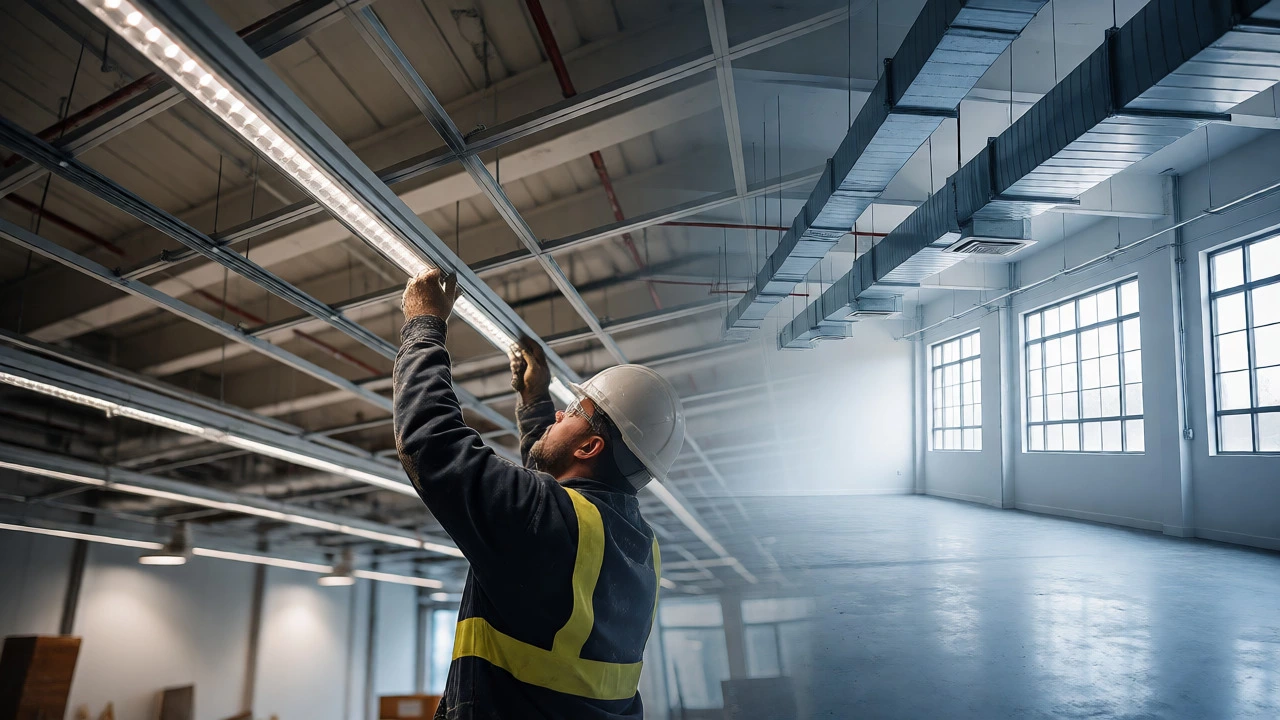
Rehabbing commercial property is different from flipping houses. You aren’t worrying about granite countertops. You’re worried about HVAC systems, roof integrity, ADA compliance, and code violations. These are expensive, boring fixes that kill profits if ignored.
Focus on "forced appreciation." This means spending money only where it directly increases NOI. For instance, upgrading lighting to LED might cost $5,000 but save $2,000 a year in electricity. That’s a quick win. Replacing the entire roof might cost $50,000 but prevent a lawsuit and attract premium tenants. Calculate the return on each dollar spent. If a renovation doesn’t increase rent potential or reduce operating expenses, skip it.
A common mistake? Over-improving. Don’t put marble floors in a warehouse unless you’re converting it to luxury lofts. Match the finish level to the target tenant. A logistics company cares about dock height and floor load capacity, not chandeliers.
Step 3: Rent for Stability
Renting is where BRRRR gets tricky. You can’t refinance until the property is stabilized, meaning it’s leased and producing income. Lenders want to see a track record. Usually, they require 3 to 6 months of operating statements showing positive cash flow.
This waiting period is dangerous. You’re paying interest, taxes, and utilities out of pocket while waiting for the bank. To minimize this gap, secure leases before construction ends. Use pre-leasing agreements. If you’re redeveloping a retail strip, sign letters of intent with tenants early. When the doors open, you want occupancy at 90%, not 50%.
Also, consider the lease structure. Triple Net Leases (NNN) are gold for BRRRR. In a NNN lease, the tenant pays taxes, insurance, and maintenance. Your NOI stays high because your expenses stay low. High NOI equals higher appraised value equals bigger refinance check.
Step 4: Refinance (The Payday)
This is the step everyone dreams about. You take out a new long-term loan, ideally with lower interest rates than your short-term bridge loan used for buying and rehabbing. The goal is to pull out as much cash as possible while keeping monthly payments manageable.
But here’s the catch: refinancing rules change constantly. As of late 2026, lenders are stricter about Debt Service Coverage Ratios (DSCR). They typically require a DSCR of 1.25 or higher. This means your property’s NOI must be 1.25 times greater than your annual mortgage payment. If your NOI is $100,000, your annual debt service can’t exceed $80,000.
Use a 1031 Exchange a tax deferral strategy allowing investors to sell one property and reinvest proceeds into another without paying capital gains tax immediately if you plan to move assets around frequently. While BRRRR focuses on pulling cash out, 1031 exchanges focus on swapping equity. Sometimes, combining both strategies yields the best results.
Step 5: Repeat (Scale Without Sweat)
Once you’ve pulled your capital out, you repeat the process. Do you have $50,000 left over? Great. That’s your down payment for the next deal. Did you break even? Even better. You now own a cash-flowing asset with no personal capital tied up. Multiply this by five properties, and you’ve built a portfolio without needing a million dollars upfront.
However, scaling brings management headaches. Managing one building is hard; managing ten is a job. Decide early if you’ll hire a property manager. For commercial properties, professional management is almost mandatory. Expect to pay 3-5% of gross rents. Factor this into your pro forma calculations before you buy.
Pitfalls That Kill BRRRR Deals
It’s not all sunshine and checks. Many investors fail because they underestimate risks. Here are the top killers:
- Interest Rate Hikes: If you buy with a variable-rate bridge loan and rates spike before you refinance, your payments balloon. Always hedge your bets or lock in rates early.
- Underestimating Rehab Costs: Hidden issues like asbestos or structural damage can double your budget. Keep a 20% contingency fund.
- Appraisal Gaps: What if the appraiser says the property is worth $700,000 instead of $800,000? You won’t get enough cash out. Have a backup plan, like leaving some equity in or adding more cash.
- Vacancy Spikes: If your tenant leaves during the stabilization period, your NOI drops, and the bank might deny your refinance.
Is BRRRR Right for You?
Ask yourself these questions honestly:
- Do I have access to cheap financing? (Hard money lenders charge 10-15% interest.)
- Can I handle the stress of simultaneous projects?
- Am I comfortable with leverage? (You’re borrowing heavily.)
- Do I understand local zoning and permit timelines?
If you answered "no" to any of these, start smaller. Try one residential BRRRR first. Learn the mechanics before betting big on commercial assets.
How long does a typical BRRRR cycle take?
Typically 6 to 12 months. Buying takes 30-45 days, rehabbing varies from 2 to 6 months depending on scope, stabilizing requires 3-6 months of lease-up, and refinancing adds another 30-60 days. Delays in permits or tenant acquisition extend this timeline significantly.
Can I use BRRRR for raw land?
Generally, no. Land doesn't generate NOI, so traditional banks won't refinance it easily. However, you can apply a modified version called "Land Banking" or develop it into a buildable lot, but the liquidity and financing options are far worse than for improved properties.
What happens if the appraisal comes in low?
If the appraisal is lower than expected, you won't pull out all your cash. Options include: leaving some equity in the property, bringing additional cash to the table to pay down the principal, or appealing the appraisal with stronger comparable data. Never assume you'll always pull out 100% of your capital.
Do I need perfect credit for BRRRR?
For the initial purchase (often via private lenders), credit matters less than your net worth and experience. For the final refinance, yes, you need good credit (typically 680+ for conventional loans). Poor credit limits your exit options and may force you to keep higher-interest debt longer.
Is BRRRR legal?
Yes, it's a standard investment strategy. However, ensure you comply with lending laws regarding "seasoning" (how long you've owned the property before refinancing) and avoid fraudulent appraisals. Misrepresenting rental income or rehab costs can lead to accusations of mortgage fraud.