How Much Is an Acre in Utah? Land Prices & Buying Guide 2026
Oct, 23 2026
Utah Land Investment Estimator
Estimate your total upfront costs by selecting a region and adding necessary due diligence expenses.
Land Details
Hidden Costs & Due Diligence
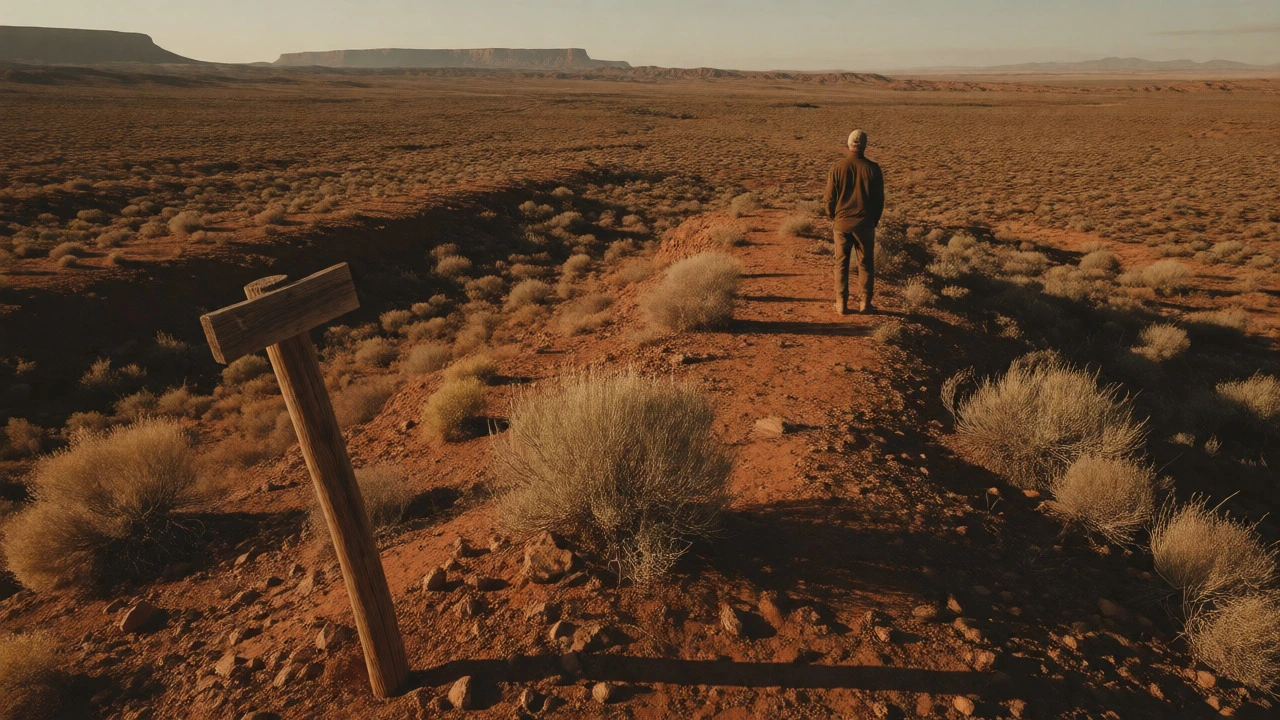
You’re standing on a patch of red dirt or sagebrush, looking at a sign that says "1 Acre For Sale." The price tag might say $5,000. It might say $50,000. In Utah, the cost of an acre isn't just a number; it’s a reflection of water rights, zoning laws, and how close you are to a paved road. If you’re thinking about buying land here, whether for a hobby farm, a tiny home, or a long-term investment, you need to know what you’re actually paying for. Because in Utah, cheap land often comes with expensive surprises.
The Short Answer: What Does an Acre Cost?
There is no single price for an acre in Utah. The state is a mix of dense urban valleys and vast, remote deserts. As of late 2026, the average price per acre across the entire state hovers around $4,500 to $6,000. But averages lie. They blend million-dollar lots in Park City with $500-acre ranches in San Juan County.
Here is the reality broken down by region:
- Urban Suburbs (Salt Lake, Provo): Expect $50,000 to $150,000+ per acre if the land is buildable and has utilities nearby.
- Recreation Hotspots (Moab, St. George, Park City): Prices range from $10,000 to $80,000 per acre depending on view corridors and access.
- Rural Agricultural Zones: You can find decent tillable soil for $3,000 to $8,000 per acre.
- Remote Desert/Rangeland: This is where the bargains live. Unimproved desert acres can sell for $500 to $2,000 each.
Why Location Changes Everything
Utah’s geography dictates its economy. The Wasatch Front, which includes Salt Lake City and Ogden, holds most of the population. Land here is scarce. When you buy an acre near Salt Lake, you aren’t just buying dirt; you’re buying proximity to jobs, schools, and hospitals. That scarcity drives prices up faster than inflation.
Move west into the Great Basin or south into the Colorado Plateau, and supply increases dramatically. However, demand drops unless you’re targeting tourism. A lot in Moab sells for more than a similar-sized lot in Richfield because people want to be near Arches National Park. They want the Instagram-worthy sunset views. That emotional connection to the landscape adds a premium to the raw land value.
The Hidden Costs: Water Rights Are King
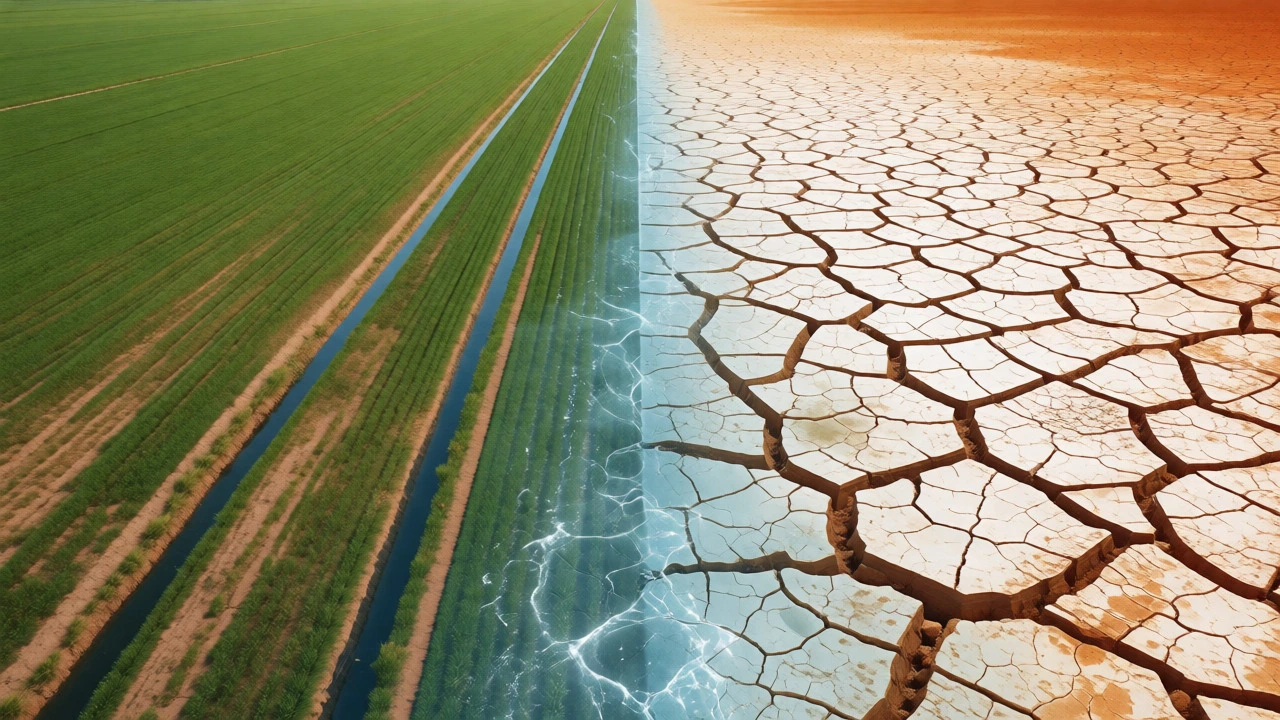
In many states, you buy land and assume you can dig a well. In Utah, you don’t own the water under your feet automatically. Water rights are separate legal entities. In some counties, like Washington County, you cannot even get a building permit without proof of existing water rights attached to the parcel.
This is the biggest trap for out-of-state buyers. You might find a beautiful 5-acre plot in Kane County for $15,000 total. But if it lacks senior water rights, you might have to drill a deep well costing $20,000-$40,000, or truck water in forever. Always ask: "Are there transferable water shares included?" If the seller says no, factor in the cost of drilling or hauling before you sign.
Zoning and Buildability: Can You Actually Live There?
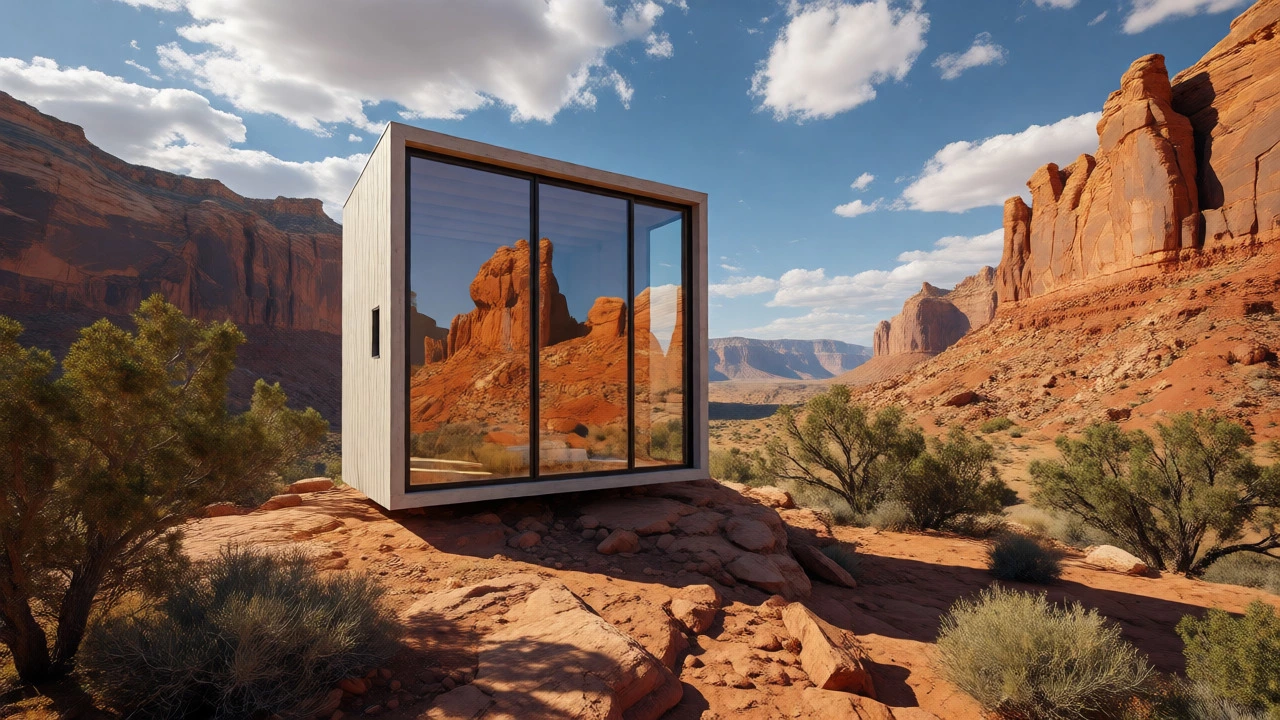
Not all land allows homes. Utah counties have strict zoning codes. Some parcels are zoned "Agricultural," meaning you can only build one dwelling unit per 10 or 20 acres. Others are "Rural Residential," allowing smaller lots but requiring septic systems and wells.
Watch out for "unbuildable" classifications. Some desert parcels are designated for grazing only. You can park a camper there, but you can’t pour a foundation for a house. Check the county assessor’s website for the specific parcel ID. Look for terms like "non-conforming" or "floodplain." A low price per acre often signals that you can’t legally put a permanent structure on the ground.
| Region | Avg Price Per Acre | Best For | Key Challenge |
|---|---|---|---|
| Salt Lake County | $80,000 - $150,000+ | Suburban living, investment | High taxes, strict HOAs |
| Washington County (St. George) | $15,000 - $40,000 | Retirement, vacation homes | Water availability, heat |
| Grand County (Moab) | $10,000 - $30,000 | Tourism rentals, off-road | Access roads, flood zones |
| San Juan County | $1,000 - $5,000 | Hunting, privacy, prepping | Distance to services, rough terrain |
| Weber/Davis Counties | $40,000 - $90,000 | Farming, family compounds | Development pressure |
Buying Direct vs. Using a Realtor
Most rural land sales in Utah happen through specialized brokers who understand topography and mineral rights. However, online marketplaces like LandWatch or Zillow list thousands of acres directly from owners. Buying direct can save you the 6-10% commission fee. But it shifts the due diligence burden entirely onto you.
If you go direct, hire a local surveyor and a title company immediately. Do not rely on the seller’s plat map. Boundary disputes are common in old mining districts. A professional survey will cost $1,500-$3,000 but could save you from buying a strip of land that doesn’t actually touch the road.
Property Taxes and Ongoing Costs
Utah property taxes are relatively moderate compared to California or Texas, but they vary by county. On agricultural land, you can apply for a "Farm Tax Reduction" if you use the land for farming or livestock. This can cut your tax bill by 50% or more. Without this status, vacant land is taxed at higher rates.
Remember, owning land isn’t free. Even if you don’t build, you owe taxes annually. In remote areas, you also need to consider fire suppression fees. Utah charges these based on risk. High-risk canyon lands pay more than valley floors. Budget for these recurring costs when calculating your return on investment.
Final Tips for the Smart Buyer
Don’t rush. Visit the property in different seasons. A dry creek bed in July might be a raging torrent in April. Talk to neighbors. Ask them about snow removal costs, internet availability, and wildlife issues. Coyotes and bears are real concerns in certain foothills.
Check mineral rights. In parts of Duchesne and Uintah counties, oil and gas leases exist. Sometimes the surface owner gets royalties; sometimes they don’t. Ensure you know what’s underground before you commit to the surface.
Finally, think about exit strategy. Land is illiquid. It takes time to sell. Buy because you love the spot, not just because you hope the price doubles next year. Utah’s beauty is timeless, but its markets move slowly.
Is it cheaper to buy land in Utah than in Nevada?
Generally, yes, for comparable rural parcels. While Las Vegas suburbs are expensive, remote Utah desert land often offers better infrastructure access (like paved roads) for slightly lower prices than equivalent Nevada plots far from Reno or Vegas. However, Utah’s property taxes can be higher depending on the county classification.
Can I live in a tiny home on any acre in Utah?
No. Most counties require a minimum square footage for permanent dwellings, often 700-1,000 sq ft. Tiny homes on wheels are often classified as RVs and may not be allowed as primary residences on small parcels. Always check local zoning ordinances regarding ADUs (Accessory Dwelling Units) or temporary structures.
What is the cheapest county to buy land in Utah?
San Juan County and Wayne County typically offer the lowest prices per acre, often under $2,000 for large tracts. These areas are remote, rugged, and far from major cities, making them ideal for hunting camps or off-grid projects but less suitable for daily commuting.
Do I need a lawyer to buy land in Utah?
While not strictly required by law, it is highly recommended. Land transactions involve complex issues like easements, encroachments, and water rights. A real estate attorney ensures the title is clear and that all covenants are disclosed, protecting you from hidden liabilities.
How long does it take to close on land in Utah?
Cash deals can close in 2-4 weeks. If you are financing, expect 30-45 days. Land loans are harder to get than mortgage loans for houses, so pre-approval is crucial. Title searches in rural areas can sometimes take longer if records are old or fragmented.