Home Rental Agreement: What You Need to Know Before Signing
When you sign a home rental agreement, a legally binding contract between a tenant and landlord that outlines rights, responsibilities, and payment terms. Also known as a lease, it’s not just a piece of paper—it’s your shield against unfair rent hikes, sudden evictions, and hidden fees. Many people think it’s just about the rent amount and move-in date. But the real power lies in the fine print: notice periods, maintenance rules, pet policies, and what happens if you break the lease.
A security deposit, a refundable payment held by the landlord to cover damages beyond normal wear and tear is one of the most misunderstood parts. In places like Virginia, landlords must try to re-rent the unit before keeping your deposit. In India, rules vary by state, but most require you to get a receipt and a clear checklist of the property’s condition before you move in. Then there’s the landlord tenant rights, the legal framework that defines what each party can and cannot do during the rental period. These aren’t just suggestions—they’re enforceable under state and national laws. For example, a landlord can’t just walk in without notice, and you can’t stop paying rent because the AC broke.
What’s often missing from these agreements? Clarity on repairs. Who pays for a leaking pipe? What counts as "normal wear and tear"? If the agreement says "tenant responsible for all maintenance," that’s not always legal. Some states in the U.S. and cities in India have specific rules about response times for repairs, especially for essentials like water, heat, or electricity. And if you’re renting out a property while living abroad, you’re a non-resident landlord, someone who owns rental property in one country but lives in another—and that comes with tax forms, local registrations, and reporting rules you can’t ignore.
There’s also the question of rent increases. Can your landlord raise the rent by $300 next month? In Virginia, they can—but only if your lease is month-to-month and they give proper notice. In India, rent control laws in some cities limit how much and how often rent can go up. And if you’re thinking of moving out early, know this: breaking a lease doesn’t mean you owe the full remaining rent. Landlords are required to make a reasonable effort to find a new tenant. Your responsibility? Pay only until they do.
What you’ll find below isn’t a list of legal jargon. It’s real advice from people who’ve been there—tenants who got their deposits back, landlords who avoided lawsuits, and renters who learned the hard way what "no pets" really means. Whether you’re signing your first lease or managing a rental property from overseas, these posts break down the rules, expose the traps, and show you how to protect yourself without hiring a lawyer.
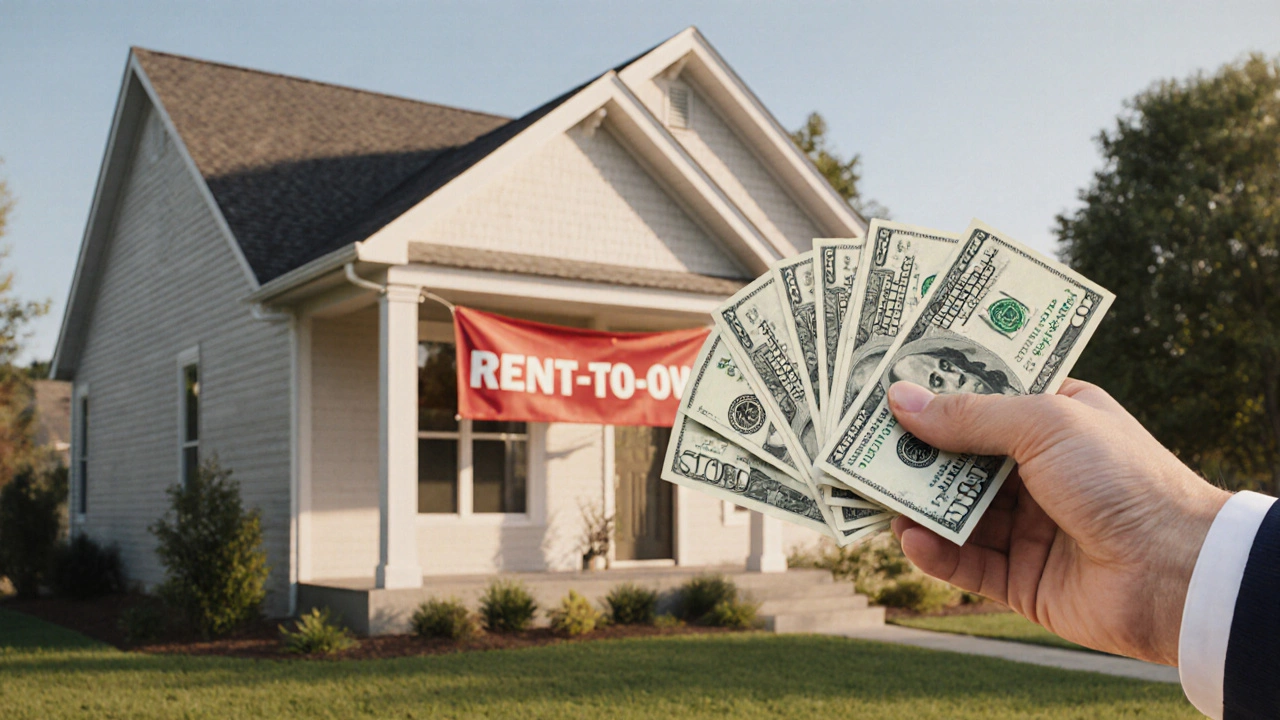
Rent-to-Own Home Deals: 7 Reasons They're a Bad Idea
Rylan Westwood Oct, 25 2025 0Explore why rent‑to‑own agreements often cost more, build little equity, and carry hidden risks, plus safer alternatives and a step‑by‑step checklist.
More Detail