What Type of Property Has the Highest ROI? A Commercial Real Estate Guide
Sep, 29 2026
Commercial Real Estate ROI Estimator
Property Details
Investment Analysis
Enter details and click Calculate to see your projected returns.
Total ROI (Year 1)
You’re staring at a spreadsheet. Two properties sit side-by-side in your mind’s eye. One is a shiny new office tower in downtown Los Angeles with 4% cap rate. The other is a gritty-looking warehouse on the outskirts of Inland Empire generating steady cash flow from logistics companies. Which one makes you richer? Most people guess wrong. They chase the prestige of glass and steel, but the math often favors the boring stuff.
Here is the hard truth: there is no single "best" property type for everyone. ROI (Return on Investment) depends entirely on your strategy. Are you chasing monthly cash flow to pay bills today? Or are you hunting for massive appreciation to sell high in ten years? This guide breaks down which asset classes actually deliver the highest returns right now, based on current market data and operational realities.
Understanding the ROI Equation in Commercial Real Estate
Before we rank the winners, let’s kill the confusion. ROI isn't just about how much rent you collect. It’s a formula that includes purchase price, operating expenses, financing costs, and eventual sale value. If you buy a $1 million building that generates $80,000 in net income, your initial yield looks like 8%. But if you put zero money down using leverage, your cash-on-cash return might be 15%. If the building appreciates 5% a year, your total ROI skyrockets.
The biggest mistake investors make is ignoring operational intensity. A high-yield property that requires constant tenant turnover or expensive repairs can eat away your profits faster than a lower-yield property that runs itself. We need to look at risk-adjusted returns, not just raw numbers.
Industrial Properties: The Current ROI King
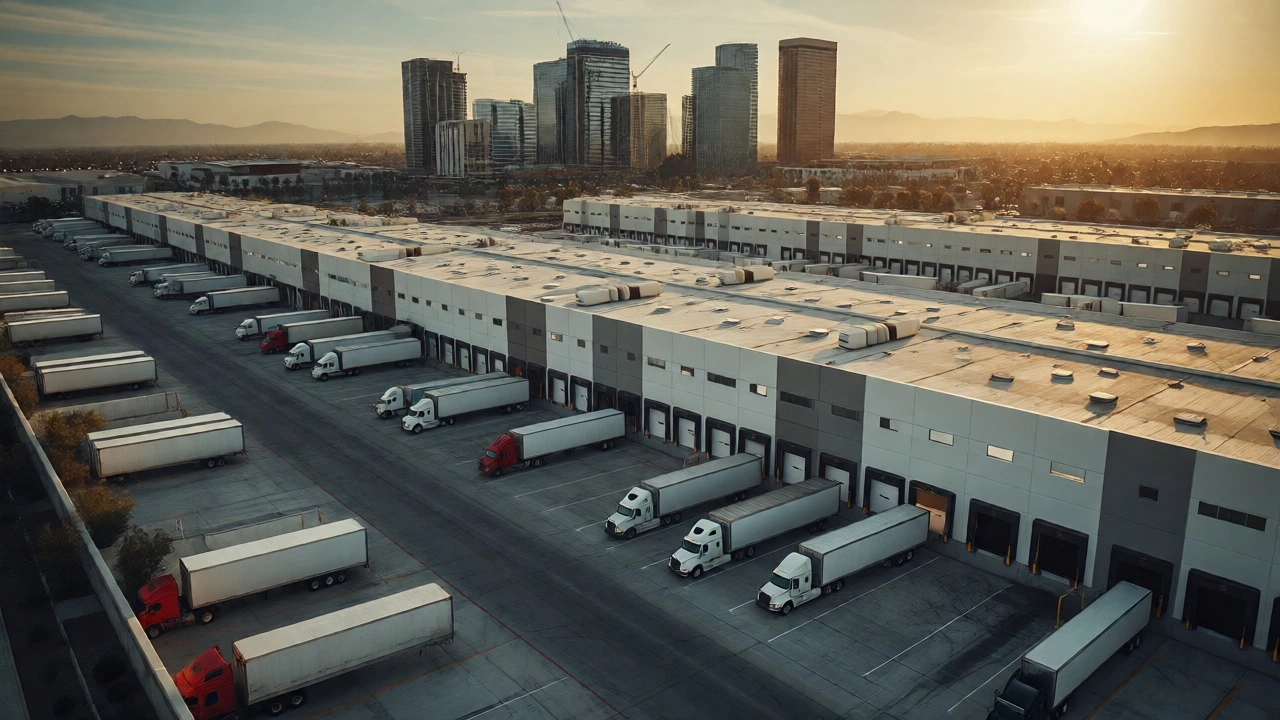
If you want the highest consistent ROI in the current market, look at industrial real estate including warehouses, distribution centers, and manufacturing facilities. Why? Because e-commerce didn’t die; it evolved. Amazon, Walmart, and local last-mile delivery services need space. They sign long-term leases-often 5 to 10 years-which means stable income with low vacancy rates.
In Los Angeles and across the US, industrial rents have surged while vacancy rates remain historically low. Unlike offices, where tenants might leave if remote work trends shift, warehouses are essential infrastructure. You can’t ship a package from a coffee shop. The demand is structural, not cyclical.
- Average Cap Rates: 4.5% - 6.0%
- Vacancy Risk: Low
- Management Effort: Low (Triple Net Leases)
- Appreciation Potential: High due to supply constraints
The catch? Entry prices are high. Everyone knows industrial is hot, so you’re paying a premium. But because tenants often pay for taxes, insurance, and maintenance (NNN leases), your net income stays close to gross income. That efficiency boosts your effective ROI.
Multifamily Housing: The Cash Flow Machine
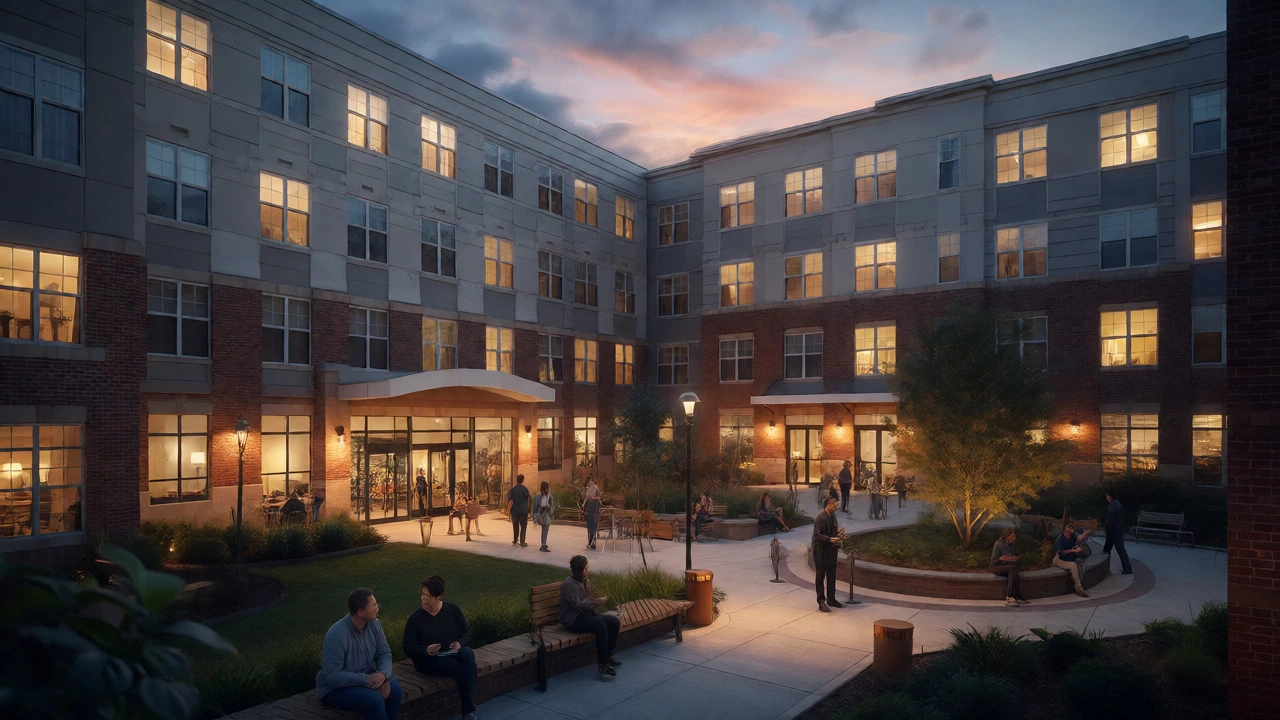
Next up is multifamily residential apartment buildings ranging from small duplexes to large complexes. People always need somewhere to live. Even when the economy dips, housing demand remains relatively inelastic. This stability makes multifamily a favorite for conservative investors seeking steady cash flow.
Multifamily shines because of its scalability. You can raise rents annually, usually tied to inflation or market rates. Plus, you can force appreciation by improving operations. Did you replace old appliances? Add smart thermostats? Reduce water waste? These tweaks increase Net Operating Income (NOI), which directly raises the building’s value based on the cap rate.
| Property Type | Cash-on-Cash Return | Annual Appreciation | Risk Level | Management Intensity |
|---|---|---|---|---|
| Industrial | 6-8% | 3-5% | Low | Low |
| Multifamily | 5-7% | 2-4% | Medium | High |
| Office | 3-5% | 1-2% | High | Medium |
| Retail | 4-6% | 1-3% | Medium-High | Medium |
However, multifamily is hands-on. Tenants call about leaking faucets. They break doors. They stop paying. You need a good property manager, which cuts into your margins. If you’re looking for passive income, this might frustrate you. But if you treat it as a business operation, the ROI is reliable.
Retail: High Yield, High Volatility
Remember when every strip mall was a goldmine? Not anymore. Retail real estate shopping centers, storefronts, and big-box locations offers some of the highest headline yields, often 7-9% cap rates. Why so high? Because the risk is higher. Retail depends heavily on consumer spending habits and specific tenant health.
Think about the difference between a grocery-anchored center and a mall full of clothing stores. Grocery stores survive recessions. Clothing chains go bankrupt. When a retail tenant leaves, you face downtime and costly renovations (TI allowances). That empty space kills your ROI fast.
To win in retail, focus on necessity-based tenants: pharmacies, dollar stores, auto repair shops, and food service. Avoid discretionary retailers unless they have strong brand loyalty. Location matters more here than anywhere else. A bad location in retail is a death sentence; a great location can still generate double-digit returns even in tough times.
Office Space: The Contrarian Play
Office space is currently the most debated asset class. Post-pandemic, many companies downsized. Vacancy rates in major cities hit record highs. Consequently, office values dropped, creating potential opportunities for savvy buyers who can purchase at deep discounts.
If you buy an office building at a 10% discount to replacement cost, your ROI could be huge if occupancy recovers. But betting on recovery is risky. Remote work isn’t going away completely, but hybrid models are sticking. Class B and C office spaces (older, less amenity-rich) suffer the most. Class A towers with green certifications and modern tech hold their value better.
Don’t buy office space expecting quick flips. This is a long-term play. Look for buildings that can be converted to residential use-a trend gaining momentum in cities with housing shortages. Conversion adds complexity but unlocks massive upside if zoning allows it.
Niche Sectors: Self-Storage and Data Centers
Sometimes the highest ROI comes from non-traditional assets. Self-storage facilities rental units for personal or business goods storage are incredibly resilient. During economic downturns, people downsize homes and store belongings. During booms, businesses store inventory. Vacancies stay low, and management is minimal since customers rarely interact with staff.
Data centers are another sleeper hit. With AI and cloud computing exploding, tech giants need physical servers. These facilities require massive power and cooling infrastructure, making them expensive to build but highly valuable once operational. Investors often get exposure through REITs rather than direct ownership, but the underlying asset performance drives stock prices.
How to Calculate Your True ROI
Stop relying on broker quotes. Run your own numbers. Here’s a simple framework:
- Determine NOI (Net Operating Income): Gross Rent minus Operating Expenses (taxes, insurance, maintenance, management fees). Do not subtract mortgage payments yet.
- Calculate Cap Rate: NOI divided by Purchase Price. This tells you the unleveraged return.
- Factor in Debt Service: Subtract annual loan payments from NOI to get Cash Flow.
- Add Appreciation: Estimate annual growth based on market trends (e.g., 3%).
- Total ROI: (Cash Flow + Appreciation) / Total Cash Invested.
Example: You invest $100k down payment. Annual cash flow is $8k. Appreciation is $5k. Total gain = $13k. ROI = 13%. Simple, right? Now add hidden costs: unexpected roof repairs, legal fees, or vacancy months. Adjust your expectations downward by 1-2% for safety.

Location Still Trumps Asset Class
You can buy the best industrial building in the world, but if it’s in a dying town with no population growth, your ROI will stagnate. Conversely, a mediocre apartment complex in a booming city like Austin, Miami, or Seattle can outperform a pristine warehouse in rural Ohio.
Look for three signals:
- Job Growth: Are companies hiring? New jobs mean new renters and employees.
- Population Inflow: Is the city growing? More people equals more demand for space.
- Supply Constraints: Can new buildings be built easily? Zoning laws that limit construction drive up existing property values.
In Los Angeles, land scarcity keeps property values high. Even older buildings appreciate because you can’t just build more land. This geographic advantage boosts ROI over time, regardless of immediate cash flow.
Pitfalls That Kill Returns
Even with the right property type, mistakes happen. Watch out for these ROI killers:
- Overleveraging: Borrowing too much amplifies losses if interest rates rise or vacancies spike.
- Ignoring Capital Expenditures (CapEx): Old buildings need new roofs, HVAC systems, and parking lots. Budget for this upfront.
- Tenant Concentration: If one tenant pays 80% of your rent, their departure wipes out your income. Diversify.
- Liquidation Costs: Selling commercial property takes months and involves commissions and closing costs. Don’t expect instant exits.
Also, beware of "value-add" traps. Buying a fixer-upper sounds great until the renovation goes 50% over budget. Always hire independent contractors for bids, not just the seller’s recommendation.
Final Verdict: What Should You Buy?
If you want the highest current ROI with manageable risk, start with industrial properties. They offer the best balance of growth, stability, and low management hassle. If you prefer steady cash flow and don’t mind active management, multifamily is your best bet. Retail works only if you specialize in necessity-based tenants and understand local demographics deeply. Office space is for contrarians who believe in a full return-to-office boom or see conversion potential.
Remember, ROI isn’t static. It changes with interest rates, economic cycles, and technological shifts. Stay flexible. Re-evaluate your portfolio annually. And never fall in love with a building-fall in love with the math.
Which commercial property type has the lowest vacancy rates?
Industrial properties typically have the lowest vacancy rates, often below 5% in major markets. This is due to the sustained demand from e-commerce and logistics sectors, which require physical space that cannot be digitized.
Is multifamily safer than commercial office space?
Generally, yes. Housing is a basic human need, making multifamily demand more resilient during economic downturns compared to office space, which is vulnerable to corporate downsizing and remote work trends.
Do triple-net leases improve ROI?
Yes, triple-net (NNN) leases can improve effective ROI by shifting responsibility for taxes, insurance, and maintenance to the tenant. This reduces landlord operating expenses and stabilizes net income, though it may come with lower base rents.
How does interest rate affect commercial real estate ROI?
Higher interest rates increase borrowing costs, reducing cash-on-cash returns. They also lower property valuations as investors demand higher cap rates to compensate for increased risk and debt service, potentially creating buying opportunities for those with cash reserves.
Can I achieve high ROI with small commercial properties?
Yes, small multi-tenant properties or mixed-use buildings can offer high ROI through economies of scale and easier entry points. However, they require more hands-on management and carry higher per-unit operational risks compared to larger institutional-grade assets.