What Type of Property Makes the Most Money? A 2026 Investor's Guide
Sep, 8 2026
2026 Real Estate Property Profitability Estimator
Select your investment criteria below to see which property type aligns best with your goals in the 2026 market landscape.
Why This Recommendation?
Everyone wants to know the magic formula for wealth in real estate. You scroll through listings, see a shiny new condo downtown or a sprawling warehouse on the edge of town, and wonder: which one actually puts cash in my pocket? It’s not just about picking a building; it’s about understanding what drives value in today’s market. In 2026, the landscape has shifted. The days when any rental property printed money are gone. Now, you need to be strategic. So, what type of property makes the most money right now? The answer isn’t a single asset class. It depends on your risk tolerance, capital, and how much work you want to do. But if we look at the data from major markets like Los Angeles, New York, and Chicago, clear winners emerge.
The Short Answer: Where the Money Is Hiding
If you’re looking for raw cash flow, multifamily housing often takes the crown. Why? Because people always need somewhere to live. Unlike office spaces that can sit empty for months during economic downturns, apartments have consistent demand. However, if you’re chasing massive appreciation potential, industrial properties-especially last-mile logistics hubs near major cities-are seeing explosive growth due to the e-commerce boom. Then there’s the wildcard: mixed-use developments. These combine retail on the ground floor with residential or office space above, diversifying your income streams. Each has its pros and cons, but let’s break down which one fits your goals best.
Multifamily Housing: The Cash Flow King
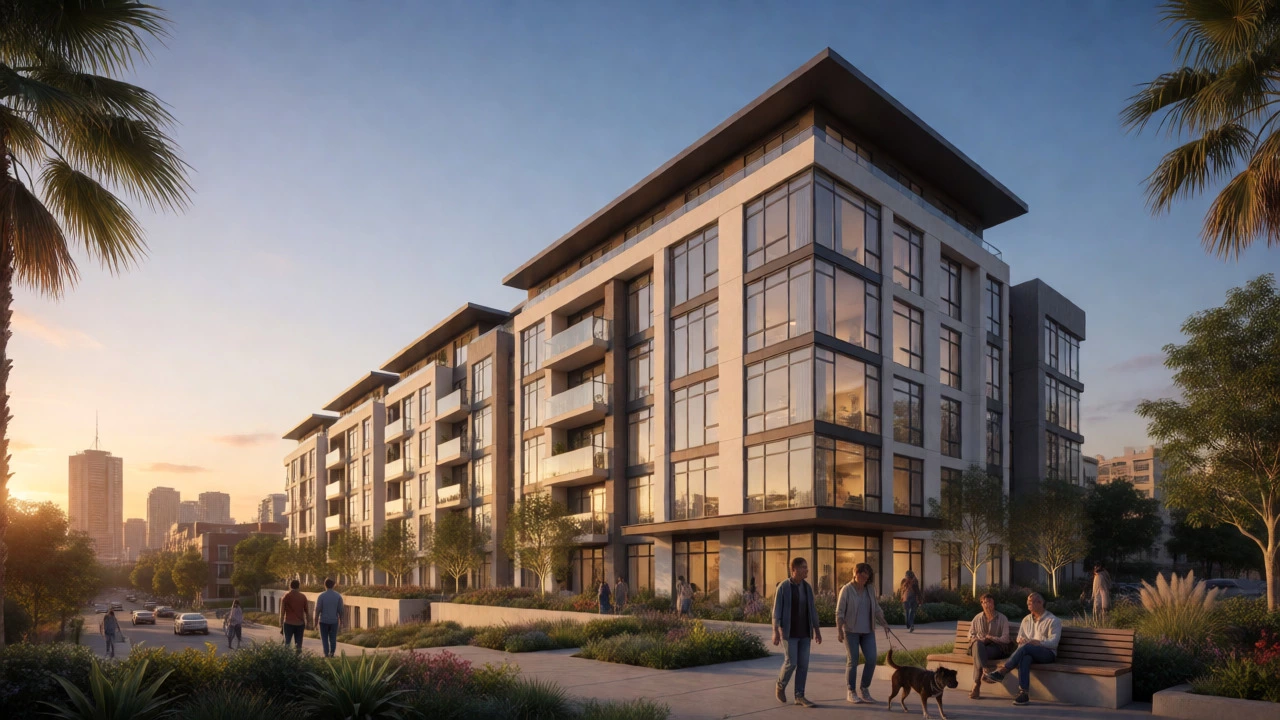
Let’s start with the heavyweight champion of steady returns. Multifamily properties are buildings with two or more residential units. This ranges from duplexes to large apartment complexes. The primary appeal here is scalability. You don’t manage one tenant; you manage fifty. If one person moves out, your vacancy rate barely dips. According to recent reports from the National Association of Realtors, multifamily investments consistently offer higher cap rates than single-family homes in urban areas because operational efficiencies lower per-unit costs.
In Los Angeles, where I live, finding a single-family home under $1 million is nearly impossible. But a fourplex in a growing neighborhood like Koreatown or Van Nuys might still yield a solid return. The math works because you’re leveraging economies of scale. One roof, one plumbing system, one maintenance contract covers multiple revenue streams. Plus, landlords can raise rents gradually as the area improves. Just remember, this strategy requires active management. Unless you hire a professional property manager, you’ll be fixing toilets at midnight.
Industrial Real Estate: The E-Commerce Engine
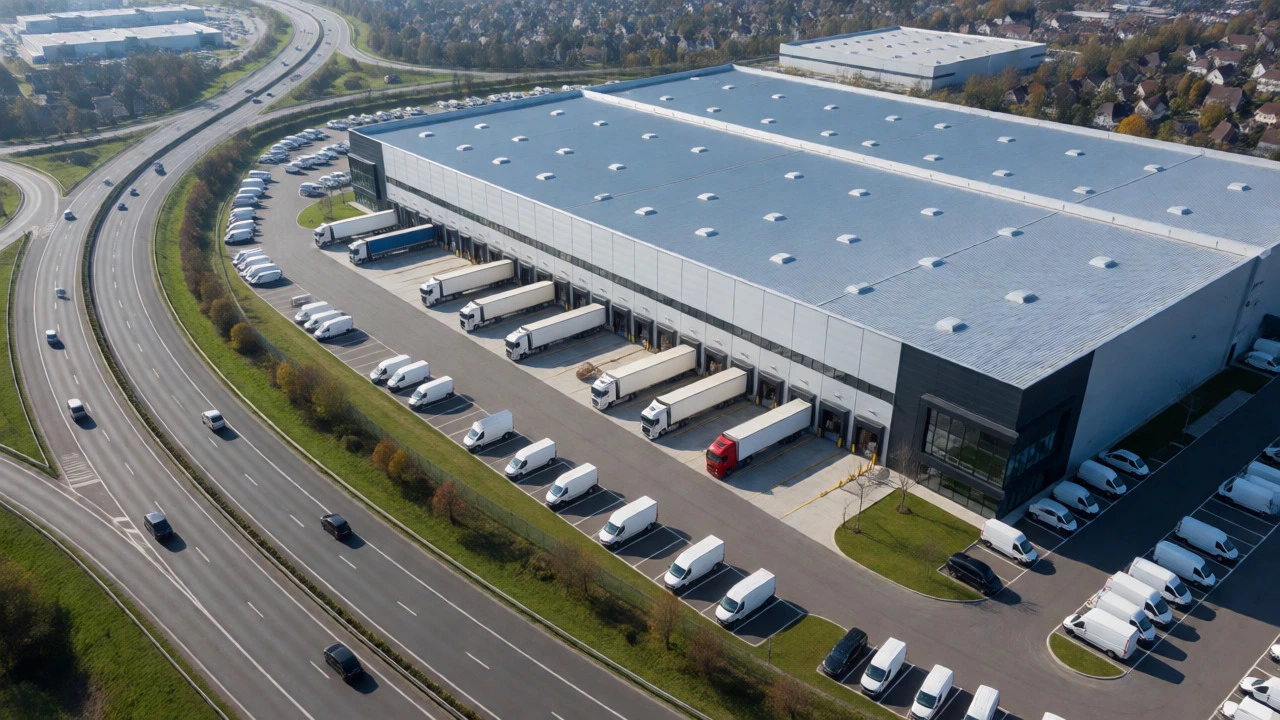
Remember when warehouses were considered boring? That changed forever with Amazon. Today, industrial real estate includes distribution centers, manufacturing facilities, and storage units. The surge in online shopping created an insatiable demand for space close to consumers. This is known as "last-mile" delivery infrastructure. Investors who bought industrial parks near major highways five years ago are seeing double-digit appreciation.
Why does this make money? Two reasons: scarcity and necessity. You can build apartments almost anywhere, but you can’t easily fit a 300,000-square-foot distribution center into a dense city center. Zoning laws protect these zones. Furthermore, tenants in industrial spaces tend to sign long-term leases, often five to ten years. This stability reduces turnover costs. In 2026, cold storage facilities are particularly hot. With the rise of grocery delivery services, refrigerated warehouses command premium rents. If you have significant capital, buying a small industrial park can generate passive income with less tenant drama than retail.
Retail: High Risk, High Reward
Retail used to be the default choice for investors. Walk into any mall in 2026, and you’ll notice some spaces are thriving while others gather dust. Retail properties include shopping centers, standalone stores, and restaurants. The key here is location and tenant mix. A strip mall anchored by a grocery store or a pharmacy usually performs well because people visit these places weekly, regardless of the economy. These are called "essential retail."
However, traditional fashion retail is struggling. E-commerce killed the middleman. If you buy a retail center filled with clothing boutiques, you’re gambling on foot traffic returning to pre-pandemic levels. On the flip side, niche retail like fitness studios, medical offices, or service-based businesses (think hair salons or pet groomers) are resilient. They offer experiences or services you can’t download. Investing in retail requires a sharp eye. You’re not just buying bricks; you’re betting on local demographics and spending habits. Cap rates can be attractive, but vacancy risks are higher than in multifamily or industrial sectors.
Office Space: The Rebound Play
The office sector took a beating after remote work became standard. Many investors fled, leaving prices depressed. But in 2026, we’re seeing a correction. Companies are calling employees back, but they want nicer spaces. This creates a bifurcated market. Class A office buildings in prime locations with modern amenities are recovering fast. Older, outdated Class B and C buildings remain vacant or sell at steep discounts.
Can you make money on office space? Yes, but it’s tricky. You’re essentially playing arbitrage. Buy distressed Class B offices, renovate them to attract tech or creative firms, and lease them at market rates. Or, consider converting obsolete offices into residential units. This trend is gaining traction in cities like San Francisco and New York. While conversion costs are high, the potential upside is significant. For now, office space is a contrarian play. It’s not for the faint of heart, but for those who understand workplace trends, it offers entry points at historical lows.
Comparing the Asset Classes
To help you decide, let’s look at how these property types stack up against each other. Keep in mind, these figures are averages based on current market conditions in major US metropolitan areas.
| Property Type | Cash Flow Potential | Appreciation Potential | Management Effort | Vacancy Risk |
|---|---|---|---|---|
| Multifamily | High | Moderate | High (unless managed) | Low |
| Industrial | Moderate-High | High | Low | Very Low |
| Retail | Moderate | Variable | Moderate | Moderate-High |
| Office | Low-Moderate | High (if converted/redeveloped) | High | High |

Factors That Influence Profitability
Picking the right type is only half the battle. Your profit margin depends on execution. First, consider leverage. Using debt amplifies returns. If you put 20% down on a multifamily deal and the property appreciates by 5%, your equity grows by 25%. But interest rates matter. In 2026, rates have stabilized compared to the volatility of previous years, making financing more predictable.
Second, location remains king. A mediocre apartment in a booming suburb beats a luxury condo in a dying district. Look for areas with job growth, population influx, and limited new construction supply. Cities with strong tech or healthcare sectors tend to support higher rents. Third, think about exit strategies. Are you planning to hold for ten years and refinance, or sell after renovations? Industrial properties often appreciate steadily, allowing for long holds. Retail might require quicker flips if the neighborhood changes rapidly.
Common Pitfalls to Avoid
Don’t fall in love with the building; fall in love with the numbers. Many first-time investors overpay for "prestige" properties that yield low returns. A beautiful historic office building might cost millions but rent for pennies on the dollar. Always run conservative pro forma calculations. Assume higher vacancy rates and unexpected repair costs. Also, ignore the hype. Just because everyone is talking about crypto-mining farms doesn’t mean they’re profitable long-term. Stick to fundamental demand drivers: housing, logistics, and essential services.
Frequently Asked Questions
Which property type has the highest ROI?
There is no single answer, as ROI depends on the specific deal. However, value-add multifamily properties often provide the best balance of cash flow and appreciation. By forcing appreciation through renovations and rent increases, investors can achieve internal rates of return (IRR) exceeding 15-20% in strong markets.
Is commercial property better than residential for making money?
Commercial property generally offers higher yields and longer leases, reducing turnover costs. Residential property is easier to finance and manage for beginners. Commercial deals require larger capital upfront and more complex due diligence. For pure income generation, commercial often wins; for ease of entry, residential is safer.
What is the safest property investment in 2026?
Essential retail (grocery-anchored) and multifamily housing are considered the safest bets. People need food and shelter regardless of economic conditions. These asset classes have demonstrated resilience during past recessions, maintaining occupancy and stable cash flows.
How much money do I need to invest in commercial property?
Traditional commercial loans typically require 20-30% down payments. For a $1 million property, you’d need $200,000-$300,000 plus closing costs. Alternatively, you can use Real Estate Investment Trusts (REITs) or crowdfunding platforms to invest with as little as $5,000, though you lose direct control over the asset.
Do industrial properties really make more money than offices?
Currently, yes. Industrial properties benefit from structural tailwinds like e-commerce and supply chain reshoring. Office properties face headwinds from remote work trends. While prime offices are recovering, industrial assets generally offer better occupancy rates and faster rent growth in the current cycle.