Which Farm Is Best for Income? A Guide to High-Yield Land Investments in 2026
Jun, 5 2026
Farm Profitability & ROI Calculator
Enter Your Farm Details
Financial Analysis
Enter your details and click Calculate to see your projected financial health.
You’re looking at a plot of land. It’s quiet, green, and potentially lucrative. But which farm is best for income? The answer isn’t one-size-fits-all. It depends on your budget, your location, and how much sweat equity you’re willing to invest. In 2026, the landscape of agricultural investment has shifted. Climate volatility, supply chain demands, and changing consumer habits mean that the old rule of "plant corn, make money" doesn’t always hold up.
Whether you are buying raw land for sale with the intent to develop it into a productive asset, or you are looking to diversify your portfolio beyond real estate stocks, understanding the economics of farming is crucial. This guide breaks down the most profitable farming models, the hidden costs that kill margins, and how to evaluate a property before you sign the deed.
The Top Contenders for Farm Income
Not all farms are created equal. Some require massive upfront capital and heavy machinery; others thrive on low overhead and high-value niche markets. Here are the top categories generating serious cash flow right now.
1. Specialty Crop Production
If you have limited acreage-say, between 5 and 20 acres-specialty crops are often the kings of profit per square foot. Unlike commodity crops like wheat or soy, which rely on volume, specialty crops rely on value.
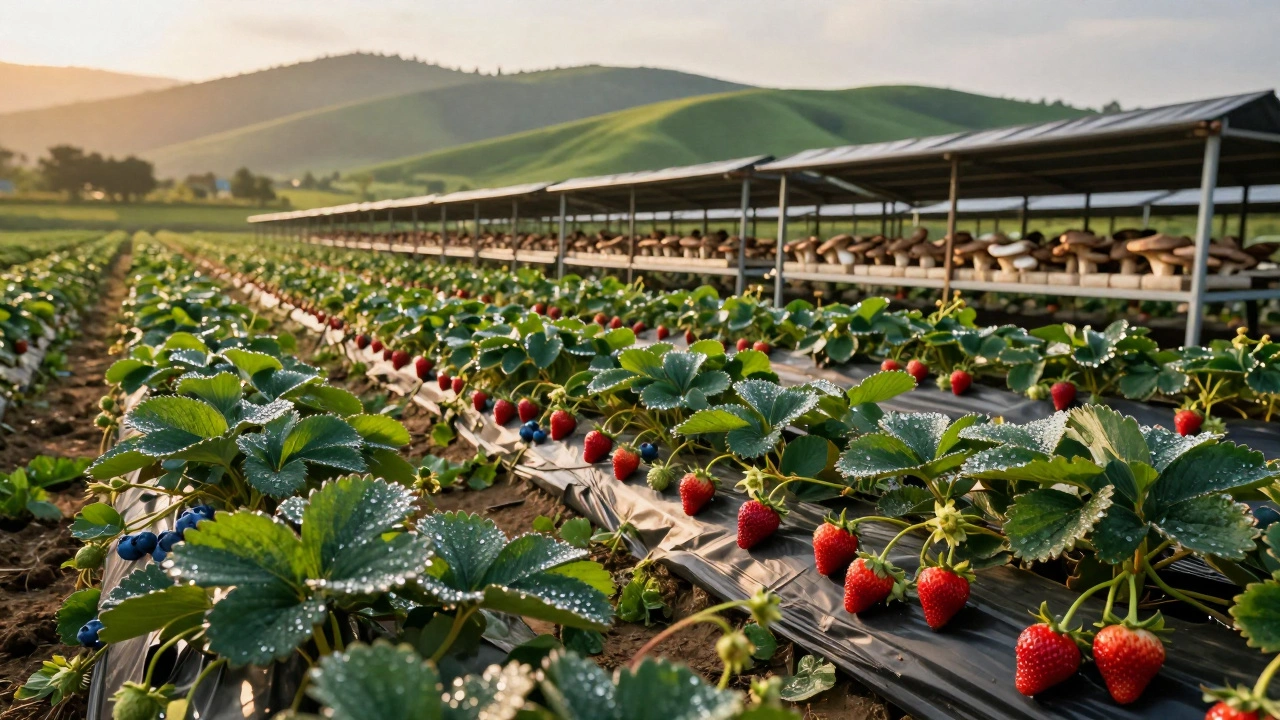
- Berries (Strawberries, Blueberries): These command high prices at farmers' markets and grocery stores. However, they are labor-intensive. You need a reliable picking crew or a robust U-pick model.
- Mushrooms: Oyster and shiitake mushrooms can be grown indoors or in shaded outdoor structures. They require minimal land but significant climate control knowledge. The turnaround time is weeks, not months, allowing for multiple harvest cycles per year.
- Microgreens: With zero sunlight requirements, these can be grown in repurposed warehouses or garages attached to your farm. Restaurants pay premium prices for fresh, local microgreens.
2. Livestock: Meat and Fiber
Livestock offers a different risk profile. You aren't at the mercy of a single frost or drought in the same way crop farmers are, but you face higher veterinary and feed costs.
- Pasture-Raised Poultry: Chickens for eggs and meat have a short lifecycle. You can see returns within 8-12 weeks. Rotational grazing improves soil health while producing organic-certified products.
- Goats: Dairy goats produce milk that fetches a high price for cheese and yogurt makers. Meat goats are also in demand due to cultural dietary preferences. Goats are hardy and require less infrastructure than cattle.
- Alpacas: While not a food source, alpacas produce fiber that sells well in the textile industry. They are gentle, require less fencing than sheep, and have a lower environmental impact.
3. Agritourism and Experience Economy
In 2026, people don't just buy food; they buy experiences. If your land is within a two-hour drive of a major metro area, agritourism can double or triple your income compared to farming alone.
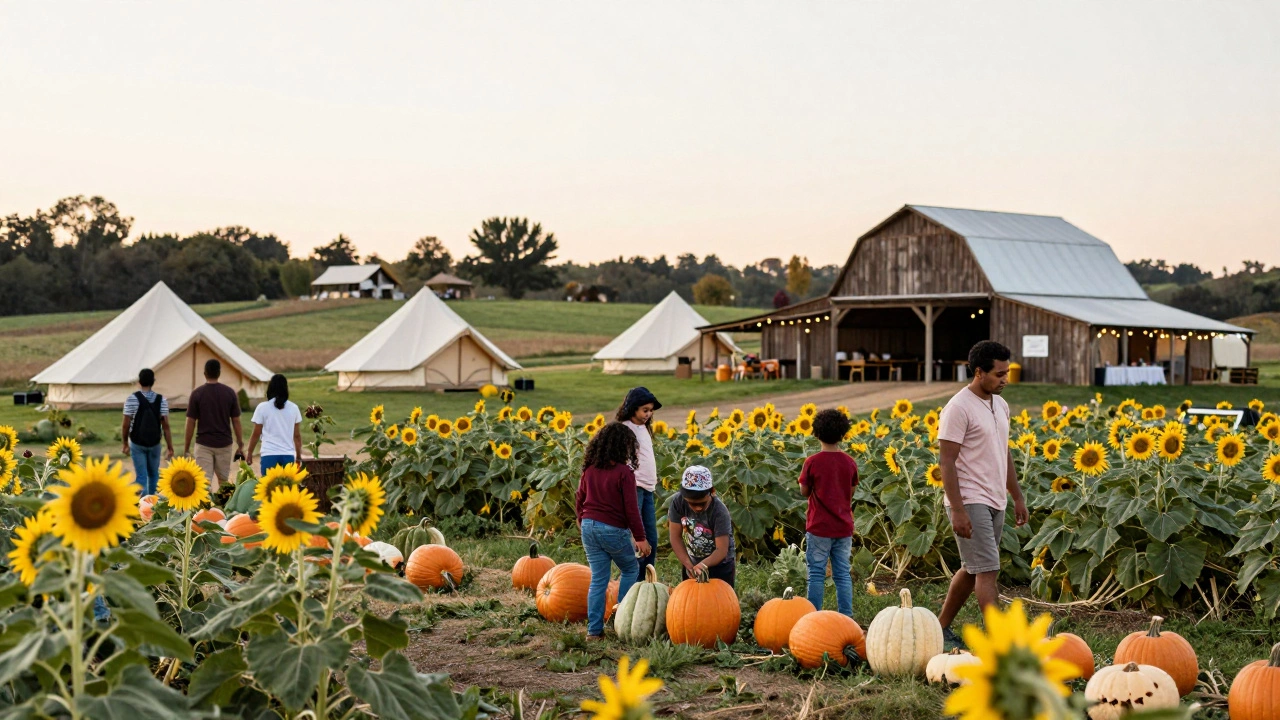
- U-Pick Operations: Let customers do the labor. Strawberry patches, pumpkin farms, and sunflower fields draw crowds during weekends.
- Farm Stays and Glamping: Convert unused barns or set up luxury tents. Urban dwellers pay premiums for disconnecting from technology in nature.
- Educational Workshops: Host classes on composting, beekeeping, or cooking with seasonal ingredients. This builds brand loyalty and creates an additional revenue stream.
| Farm Type | Initial Investment | Labor Intensity | Time to First Profit | Risk Level |
|---|---|---|---|---|
| Specialty Crops | Medium | High | 3-6 Months | Medium (Weather dependent) |
| Livestock (Poultry) | Low-Medium | Medium | 2-3 Months | Medium (Disease/Predators) |
| Livestock (Cattle) | High | Low-Medium | 1-2 Years | Low (Stable market) |
| Agritourism | Variable | High (Customer service) | Immediate | High (Seasonal/Economic) |
| Timber/Forestry | Low | Very Low | 10-20 Years | Very Low |
Evaluating Land for Sale: What Actually Matters?
When you browse listings for land for sale, the price per acre is only the tip of the iceberg. To determine if a farm is truly "best for income," you must conduct due diligence that goes beyond the curb appeal.
Water Rights and Access
In many regions, water is more valuable than the land itself. Does the property come with senior water rights? Is there a well on-site, and what is its yield? Drip irrigation systems save money but require consistent pressure. Without secure water access, your income potential drops to near zero during dry spells.
Soil Health and Testing
Never skip the soil test. Poor soil requires thousands of dollars in amendments to become productive. Look for:
- pH Levels: Most crops prefer a pH between 6.0 and 7.0. Highly acidic or alkaline soils need correction.
- Nutrient Profile: Nitrogen, phosphorus, and potassium levels dictate your fertilizer budget.
- Organic Matter: Higher organic matter means better water retention and nutrient availability.
Zoning and Infrastructure
Check the local zoning laws. Can you legally build a chicken coop? Can you sell alcohol on-site if you plan to host events? Proximity to paved roads reduces delivery costs for both inputs (feed, seeds) and outputs (harvested goods). Electrical access is critical for processing facilities, cold storage, and automated irrigation.
Calculating Your Real ROI
Many new farmers fail because they calculate revenue instead of profit. Revenue is what you sell; profit is what you keep. Here is a simple framework to estimate your return on investment (ROI).
- Gross Revenue: Estimate yield per acre based on local extension service data, not optimistic online forums. Multiply by conservative market prices.
- Direct Costs: Seeds, feed, fertilizers, packaging, and fuel.
- Indirect Costs: Insurance, property taxes, equipment depreciation, and labor (including your own time at a fair wage).
- Net Profit: Gross Revenue minus Direct and Indirect Costs.
A good rule of thumb in 2026 is to aim for a net profit margin of at least 20%. If your calculations show less, either raise your prices through branding/value-add or reduce costs through efficiency.
The Hidden Costs That Kill Margins
Before you buy, consider these silent budget killers:
- Equipment Maintenance: Tractors break down. Have a maintenance fund of 10-15% of the equipment's value annually.
- Regulatory Compliance: Food safety regulations (like FSMA in the US) require documentation, testing, and sometimes facility upgrades.
- Market Volatility: Commodity prices fluctuate. Niche markets can saturate quickly if everyone jumps on the same trend (e.g., quinoa or kale booms).
Strategies to Maximize Income
To make your farm the best earner, you need to diversify. Don't put all your eggs in one basket.
Value-Added Products
Selling raw tomatoes earns you $2 per pound. Selling tomato sauce earns you $10 per jar. Processing your harvest into jams, pickles, dried herbs, or cured meats significantly increases margins. Check your state's cottage food laws to see what you can process and sell directly.
Direct-to-Consumer Sales
Cutting out the middleman is the fastest way to boost income. Farmers' markets, Community Supported Agriculture (CSA) subscriptions, and online storefronts allow you to capture the full retail price. Building a community around your brand ensures repeat customers who are less price-sensitive.
Leasing Arrangements
If you lack the time or expertise to farm yourself, consider leasing your land to an experienced farmer. Cash rent provides steady income without the operational headache. Custom farming agreements allow you to share in the profits while the tenant handles the day-to-day work.
Future-Proofing Your Farm Investment
The best farm for income in 2026 is one that adapts to future trends. Climate resilience is key. Diversifying crops helps mitigate weather risks. Investing in renewable energy, such as solar panels for irrigation pumps, reduces long-term operating costs. Embracing technology, like precision agriculture sensors, optimizes resource use and boosts yields.
Remember, the "best" farm is subjective. It aligns with your skills, resources, and goals. Do your homework, talk to local farmers, and start small. The land will teach you what works-and what doesn’t.
How much land do I need to start a profitable farm?
You can start a profitable farm on as little as 1-5 acres if you focus on high-value specialty crops, livestock like poultry, or agritourism. Larger acreage is needed for commodity crops or extensive grazing operations. Profitability depends more on management and market access than sheer size.
What is the most profitable crop to grow in 2026?
Profitability varies by region, but generally, saffron, truffles, and ginseng are among the highest-value crops per acre. For beginners, strawberries, blueberries, and microgreens offer strong returns with manageable entry barriers. Always check local demand and climate suitability.
Is buying farmland a good investment compared to other real estate?
Farmland can be a stable, inflation-hedging investment with potential for appreciation and active income. Unlike residential real estate, it requires active management or leasing strategies. It offers tax benefits and environmental stewardship opportunities but carries higher operational risks and lower liquidity.
How do I find land for sale suitable for farming?
Use specialized agricultural real estate websites, work with farm-specific realtors, and consult local county extension offices. Verify zoning, water rights, soil quality, and access to markets before purchasing. Networking with local farmers can also reveal off-market opportunities.
Can I make money from farming without growing crops?
Yes. Agritourism, hosting events, leasing land for solar farms or cell towers, and timber harvesting are viable income streams. Beekeeping, mushroom cultivation, and raising animals also provide revenue without traditional row-crop farming.