Which Type of Commercial Property Is Best? A Guide to Retail, Office, and Industrial Real Estate
Jun, 2 2026
Commercial Property Investment Matchmaker
Investment Profile Settings
Configure your profile on the left to see which commercial property type matches your goals.
You’ve got capital ready to deploy, but the commercial property market is a maze. Should you buy that corner shop with high foot traffic? Lease out office space in the downtown core? Or invest in a massive logistics warehouse on the outskirts? There is no single "best" type of commercial property. The right choice depends entirely on your risk tolerance, timeline, and whether you want passive income or active management headaches.
In this guide, we break down the four major pillars of commercial real estate-Office, Retail, Industrial, and Multifamily-to help you decide which asset class fits your portfolio. We’ll look at cash flow potential, vacancy risks, and what the market looks like in 2026.
Understanding the Core Asset Classes
Before picking a winner, you need to understand how each sector operates. Unlike residential homes, commercial properties are valued by their ability to generate income for a business. This makes them sensitive to economic cycles, interest rates, and consumer behavior.
| Property Type | Risk Level | Cash Flow Potential | Management Intensity | Key Driver |
|---|---|---|---|---|
| Office | High | Moderate | Low (Triple Net) | Tenant Credit Quality |
| Retail | Medium-High | High | High | Foot Traffic & Location |
| Industrial | Low-Medium | Moderate | Low | E-commerce & Logistics |
| Multifamily | Low | Stable | Medium | Housing Demand |
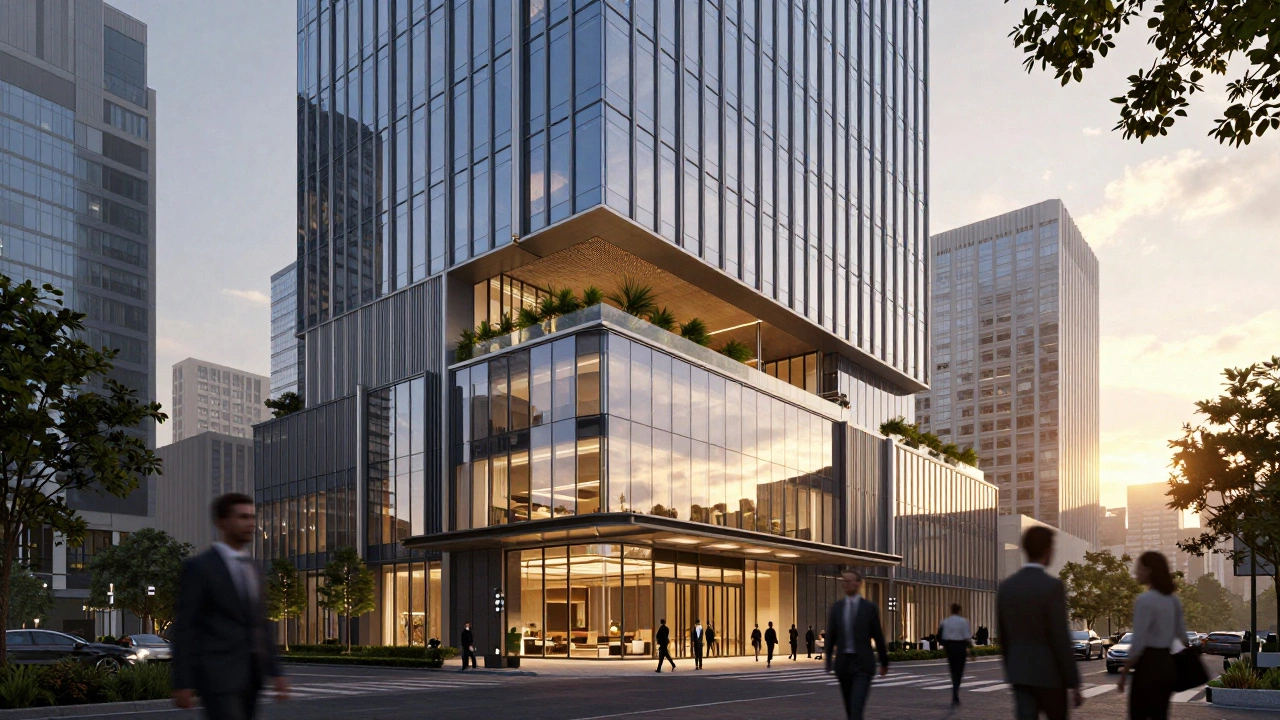
Office Space: The High-Stakes Play
For decades, Class A office buildings were considered the crown jewels of commercial real estate. You bought them because they held value and attracted blue-chip tenants. But the landscape has shifted dramatically since 2020. Remote work isn’t going away; it’s evolving into hybrid models.
If you’re looking at office space today, you have to be picky. Suburban parks built in the 1980s with fluorescent lighting and old elevators are struggling. These are often called "Class C" offices, and they face high vacancy rates. On the other hand, modern, amenity-rich buildings in dense urban centers still command premium rents. Tenants pay extra for gyms, rooftop decks, and collaborative spaces because they need to lure employees back from home.
The best office investments now are those with strong tenant credit. Think government agencies, healthcare providers, or law firms that require physical presence. If you buy an office building, check the lease terms. Are they Triple Net (NNN)? In a NNN lease, the tenant pays property taxes, insurance, and maintenance. This keeps your cash flow predictable even if repair costs rise.
Retail Real Estate: Location Is Everything
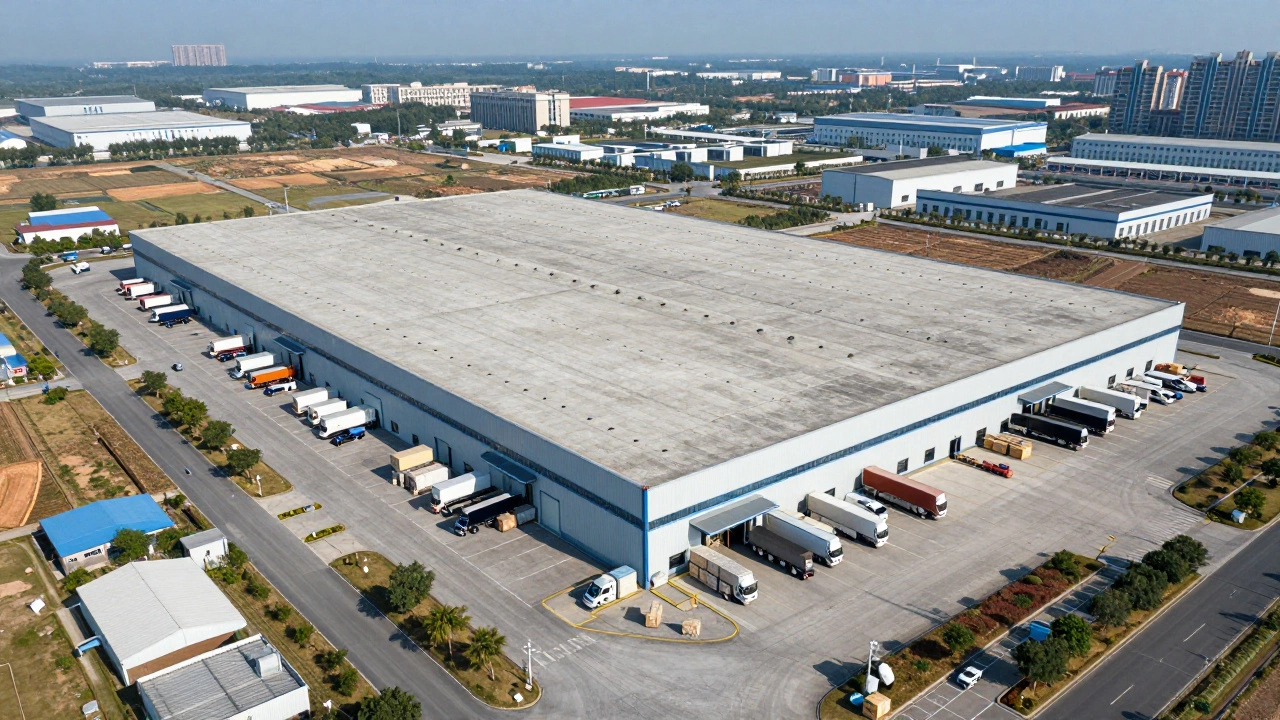
Retail properties include shopping malls, strip centers, and standalone stores. The death of the mall is a cliché, but it’s true for enclosed regional malls. However, neighborhood grocery-anchored strip centers remain incredibly resilient. People still need to buy food, fill prescriptions, and get haircuts. These are "essential services" retailers, and they tend to stay put during recessions.
When evaluating retail, look at the anchor tenant. If the supermarket or pharmacy has a long-term lease with options to renew, your risk drops significantly. Also, consider the demographics. A retail center near growing suburbs with young families will outperform one in a declining industrial district.
Be wary of "lifestyle centers" that rely heavily on discretionary spending like clothing boutiques or dining. While these can offer higher rent per square foot, they are more vulnerable when consumers tighten their belts. In 2026, inflationary pressures mean consumers are prioritizing necessities over luxuries, making essential retail safer than experiential retail.
Industrial and Logistics: The E-Commerce Engine
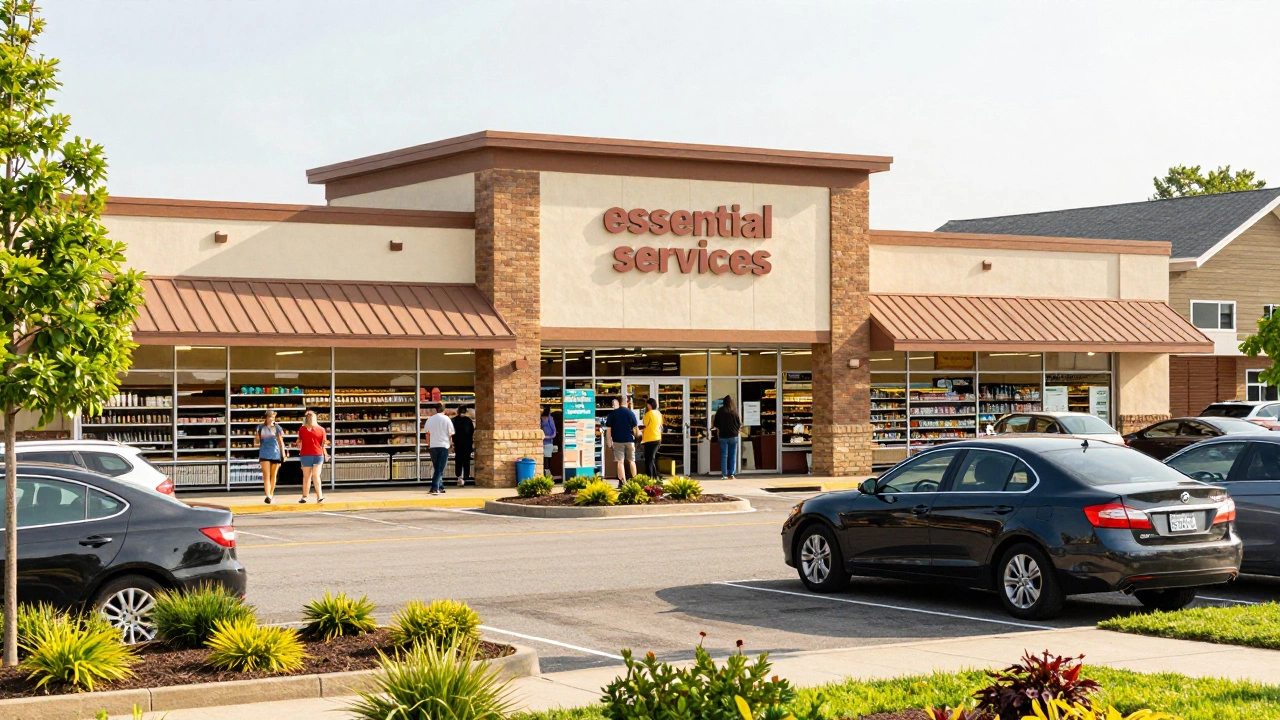
This is arguably the hottest sector in commercial real estate right now. The explosion of e-commerce has created an insatiable demand for last-mile delivery facilities and large distribution warehouses. Companies like Amazon, FedEx, and countless smaller sellers need space close to population centers to ship goods within 24 hours.
Industrial properties are attractive because they are relatively simple. They don’t require fancy lobbies or constant renovations. A concrete floor, high ceilings, and multiple loading docks are usually enough. Vacancy rates in prime industrial markets are historically low, meaning you rarely have empty units sitting idle.
However, supply is catching up with demand. New construction boomed between 2021 and 2023, so some secondary markets now have oversupply. To find the best deals, look for older industrial buildings that can be converted into modern flex-space (a mix of office and warehouse). These adapt well to tech startups and light manufacturing, offering diversification beyond pure logistics.
Multifamily Housing: The Recession-Proof Option
While technically distinct from traditional "commercial" categories like office or retail, multifamily properties (apartment complexes) are often grouped here due to their investment structure. They are widely regarded as the safest bet for new investors. Why? Because people always need a place to live. Even in a recession, renters don’t disappear; they might just move to smaller units.
The barrier to entry for multifamily is higher. You’re managing dozens or hundreds of tenants, dealing with plumbing leaks, and handling compliance issues. But the upside is stability. Rent growth tends to track with wage growth, providing a natural hedge against inflation. Plus, unlike a single-family home where one vacancy kills your income, losing one tenant in a 50-unit building barely dents your bottom line.
In 2026, affordability is a key driver. With home prices remaining high in many areas, rental demand stays strong. Look for properties in cities with job growth but limited housing supply. Avoid markets where new apartment construction is flooding the pipeline, as this can suppress rent increases.
How to Choose the Right Property for Your Goals
So, which is best? It comes down to your personal strategy.
- For Passive Income: Go with Industrial or Office (NNN leases). You collect checks, the tenant handles maintenance, and you sleep well at night.
- For Active Management & Higher Returns: Choose Retail or Multifamily. You’ll deal with tenants and repairs, but you control the destiny of the asset and can raise rents faster.
- For Capital Appreciation: Look at value-add opportunities in emerging neighborhoods. Buying an outdated office building or a tired retail center and renovating it can yield significant equity gains upon resale.
Diversification is also smart. Don’t put all your eggs in one basket. A balanced portfolio might include a stable industrial warehouse for cash flow and a smaller retail unit for growth potential.
Red Flags to Watch Out For
No matter which type you choose, avoid these common pitfalls:
- Lease Expirations: If 50% of your tenants’ leases expire in the next 12 months, you face immediate re-leasing risk. Aim for staggered expirations.
- Zoning Restrictions: Ensure the property’s zoning allows for its current use and any future changes you might want to make. Zoning lawsuits can destroy value.
- Environmental Issues: Older industrial sites may have soil contamination. Always order a Phase I Environmental Site Assessment before buying.
- Deferred Maintenance: That cheap price tag might hide a roof that needs replacing next year. Get a thorough property condition report.
Commercial real estate is not a get-rich-quick scheme. It’s a long-term game of patience, analysis, and relationship building. By understanding the nuances of each property type, you can make informed decisions that align with your financial goals.
What is the safest commercial property to invest in?
Multifamily housing and industrial properties are generally considered the safest. Multifamily offers consistent demand regardless of economic conditions, while industrial benefits from the structural shift toward e-commerce and logistics.
Is office real estate a bad investment in 2026?
Not necessarily, but it requires careful selection. Class A office buildings in prime locations with strong amenities still perform well. However, older Class B and C offices face high vacancy risks due to remote work trends.
Which commercial property type has the highest ROI?
Retail and value-add multifamily often offer the highest returns, but they come with higher management intensity and risk. Industrial and NNN office properties typically offer lower but more stable returns.
What is a Triple Net (NNN) lease?
A Triple Net lease is a contract where the tenant pays property taxes, insurance, and maintenance in addition to rent. This shifts most operational responsibilities and costs to the tenant, benefiting the landlord.
How much down payment do I need for commercial property?
Lenders typically require 20% to 30% down for commercial loans, compared to 3%-5% for residential. The exact amount depends on the property type, your credit score, and the loan-to-value ratio.