Why Choose a Townhouse? Benefits, Costs, and Lifestyle Perks Explained
Jun, 23 2026
Townhouse vs. Villa Cost & Lifestyle Calculator
Enter Your Estimates
Monthly Cost Breakdown
| Cost Component | Townhouse | Villa / Single-Family |
|---|---|---|
| Mortgage Principal & Interest* | - | - |
| Property Tax | - | - |
| Insurance | - | - |
| HOA Fees | - | - |
| Est. Self-Maintenance** | - | - |
| Total Monthly Cost | - | - |
**Villas typically require ~1% of home value annually for self-maintenance; Townhouses often have this covered by HOA or require minimal out-of-pocket (~0.5%).
Analysis:
Calculate to see the difference.
Lifestyle Trade-off
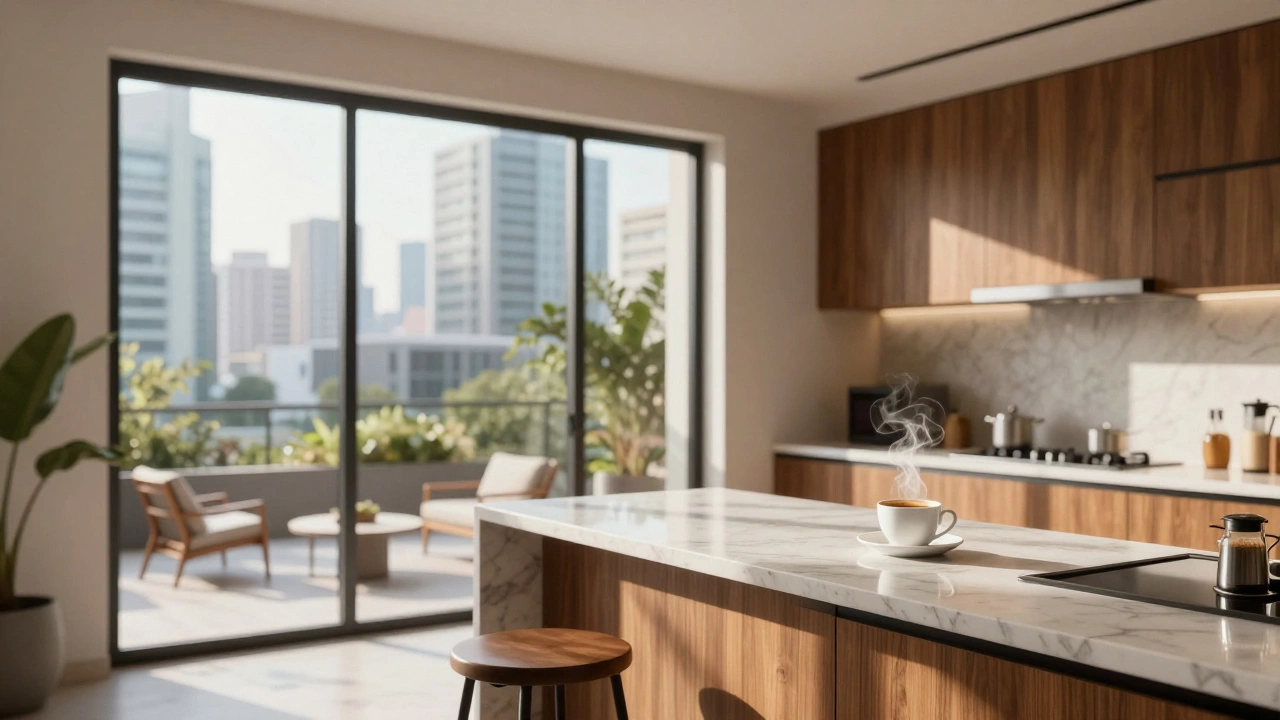
You walk into an open-concept kitchen, step out onto a private patio for morning coffee, and later climb the stairs to a bedroom with a view of the neighborhood skyline. It feels like a house, but without the endless list of chores that usually comes with owning one. This is the sweet spot many homebuyers are chasing in 2026: the townhouse.
If you’ve been scrolling through listings for villas for sale or sprawling single-family homes only to get priced out by high property taxes and maintenance bills, you might be overlooking a smarter alternative. Townhouses have evolved from cramped urban boxes into spacious, modern sanctuaries that offer the best of both worlds: the privacy of a detached home and the convenience of a condo-style community.
The Freedom Without the Fence-Mending
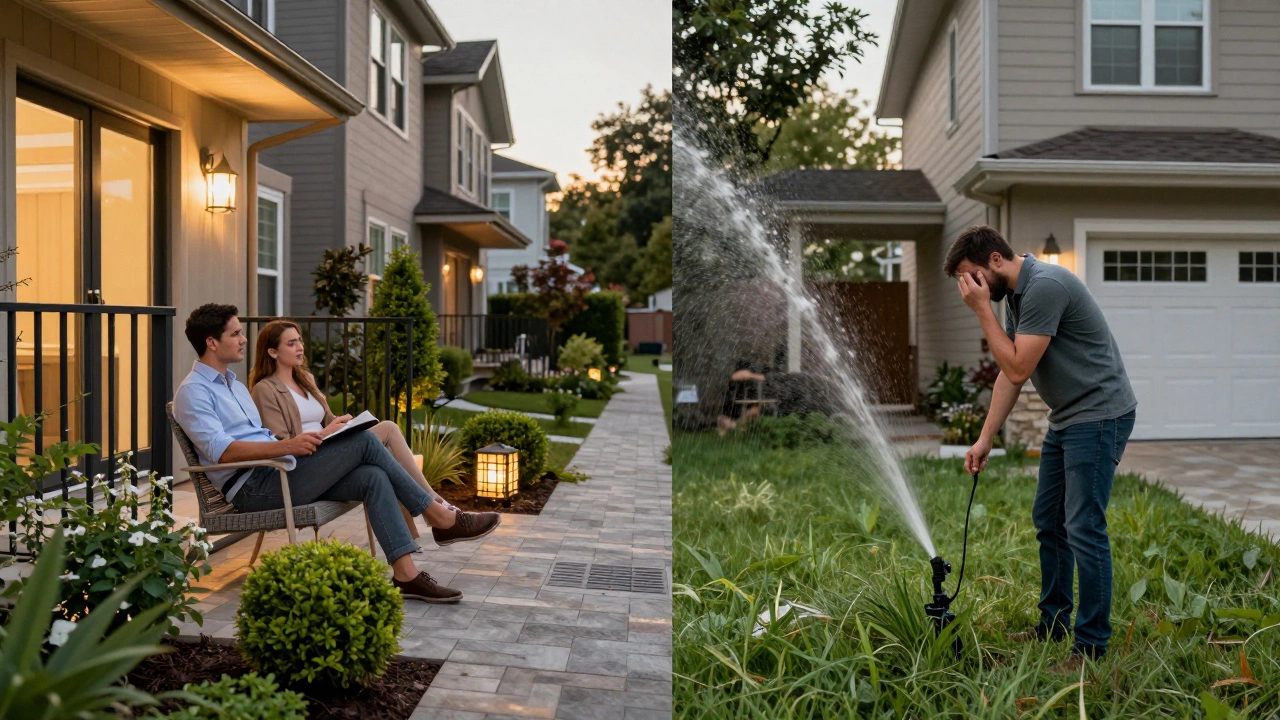
The biggest selling point of a townhouse is often misunderstood. People assume it’s just about square footage. It’s not. It’s about time. When you buy a traditional single-family home, you own everything. The roof, the siding, the lawn, the driveway, and the fence. If a storm blows off your shingles, you’re on the phone with contractors at 7 AM. If the sprinkler system breaks, you’re digging in the dirt.
In a townhouse setup, especially those governed by a Homeowners Association (HOA), much of that exterior burden is lifted. The HOA typically handles landscaping, snow removal, trash collection, and exterior repairs like roofing and painting. For busy professionals or growing families, this isn’t just a luxury; it’s a lifestyle saver. You get the feeling of coming home to your own private entrance and yard, but you don’t spend your Saturdays mowing grass or pressure-washing siding.
This model works because the cost of these services is shared among dozens of units rather than falling on one homeowner. While you pay monthly HOA fees, they are often lower than what you’d spend hiring landscapers and handymen independently. Plus, knowing your neighbors’ lawns look as good as yours helps maintain property values across the board.
Space That Stretches Vertically
One of the most practical advantages of townhouse living is the vertical layout. Unlike apartments where you live flat on one floor, townhouses usually span two or three levels. This separation of space creates natural zones for different activities.
- Ground Floor: Typically houses the garage, entryway, kitchen, and living areas. This is where guests come and go, keeping noise and traffic away from sleeping quarters.
- Upper Floors: Reserved for bedrooms and bathrooms. This provides quiet and privacy when you need it.
This separation is huge for families. Parents can entertain friends downstairs while kids do homework or sleep upstairs. It also makes cleaning easier-you can vacuum one level at a time instead of dragging a machine across a massive open-plan ranch. In dense urban areas where land is expensive, building up allows developers to offer more square footage per unit than they could in a wide, single-story footprint. You often get more interior space for your money compared to a detached house in the same zip code.
Affordability in High-Cost Markets
Let’s talk numbers. In major metropolitan areas, the price per square foot for a detached single-family home has skyrocketed. Many first-time buyers find themselves priced out of neighborhoods they love. Townhouses offer a way to stay in those desirable locations-near top schools, job hubs, and entertainment districts-without breaking the bank.
Because townhouses share walls with neighboring units, construction costs are lower for developers. They save on foundation work, roofing materials, and exterior finishing. These savings are passed down to the buyer. A townhouse might cost 20% to 30% less than a comparable single-family home nearby. Additionally, property taxes are often calculated based on assessed value, so a lower purchase price means a lighter tax burden each year.
For investors, this affordability translates to higher rental yields. Renters are increasingly seeking multi-level living spaces that feel more like homes than apartments. A townhouse commands higher rent than a standard apartment unit but requires less capital upfront than buying a standalone duplex or villa.
Community and Security Built-In
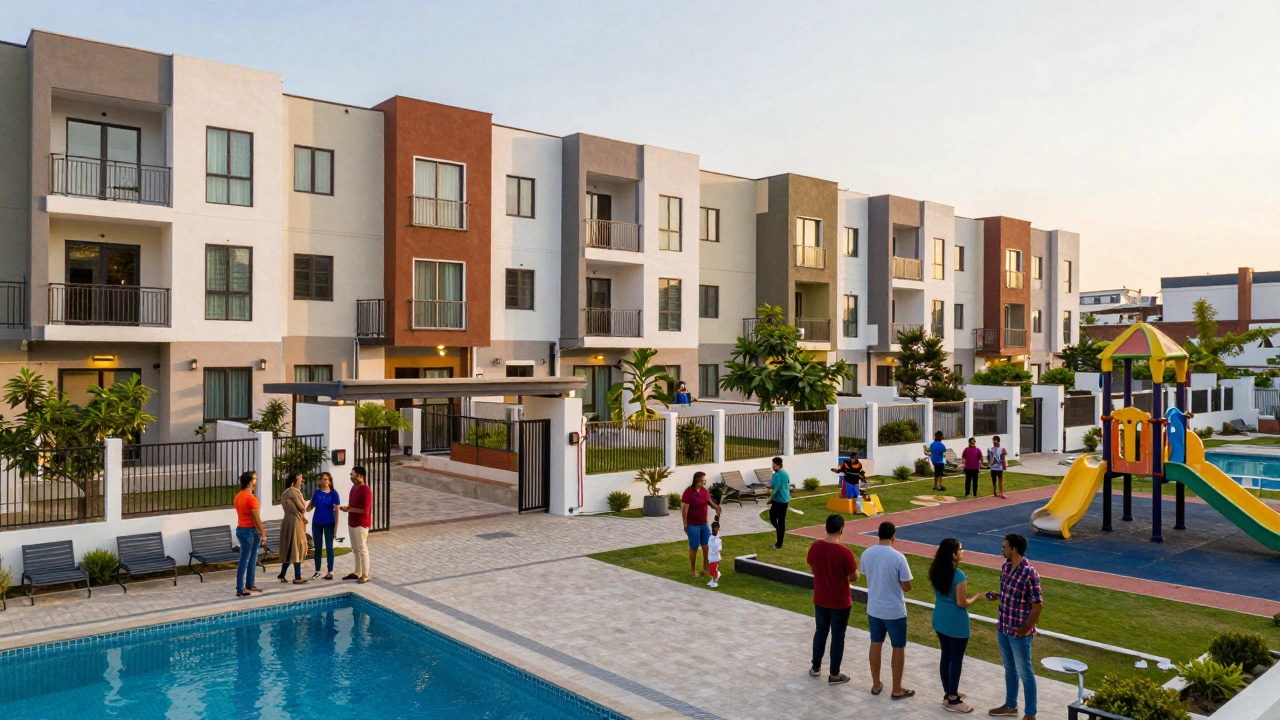
Living in a townhouse complex often means joining a tight-knit community. Unlike suburban sprawl where houses sit far apart behind tall fences, townhouses are designed to encourage interaction. Shared amenities like playgrounds, dog parks, swimming pools, and fitness centers become natural gathering spots.
Security is another perk. Many townhouse communities feature gated entries, intercom systems, and well-lit common areas. Knowing that your neighbors are right next door can provide peace of mind, especially if you travel frequently for work. If you’re going on vacation, you can ask a neighbor to keep an eye on your place, or rely on the community management team for assistance.
This sense of community extends to governance. HOAs enforce rules that ensure everyone maintains their property standards. No more worrying about the guy next door letting his junk pile up or painting his house neon green. These guidelines protect your investment by ensuring the neighborhood remains attractive and cohesive.
Townhouse vs. Villa: Making the Right Choice
Since you might be looking at villas for sale as well, it’s important to understand the trade-offs. Villas typically offer maximum privacy, larger lots, and complete autonomy over your property. However, they come with significantly higher maintenance responsibilities and costs. Townhouses strike a balance. Here is how they compare:
| Feature | Townhouse | Villa / Single-Family Home |
|---|---|---|
| Maintenance | Low (HOA handles exterior) | High (Owner handles all) |
| Privacy | Moderate (Shared walls) | High (Detached) |
| Cost per Sq Ft | Lower | Higher |
| Outdoor Space | Small patio/yard | Large lot/garden |
| Community Amenities | Often included (Pool, Gym) | Rarely included |
If your priority is having a large backyard for kids to run wild or a workshop for hobbies, a villa is the better fit. But if you value your time, want to avoid weekend chores, and prefer a walkable location with shared amenities, the townhouse wins hands down.
Who Should Consider a Townhouse?
Townhouses aren’t for everyone, but they are perfect for specific demographics. Young professionals who want to be close to city centers without paying premium apartment rents love them. Empty-nesters downsizing from large family homes appreciate the reduced maintenance and secure environment. First-time buyers see them as an accessible entry point into homeownership, allowing them to build equity faster than renting.
Even small families benefit. The multi-level design gives children their own space while keeping parents connected. The proximity to parks and schools within townhouse communities often means less time stuck in traffic and more time enjoying life.
Potential Drawbacks to Watch Out For
No housing type is perfect. Before signing on the dotted line, consider the downsides. Shared walls mean you’ll hear some noise from neighbors-footsteps, TV volume, or plumbing sounds. Soundproofing varies by builder quality, so always test the acoustics during a viewing. Also, check the HOA rules carefully. Some restrict pet sizes, forbid short-term rentals, or limit exterior decorations. Make sure these rules align with your lifestyle before committing.
Resale value can also be slightly more volatile than detached homes in certain markets, depending on how well the HOA manages reserves and maintains common areas. Always review the HOA’s financial health and meeting minutes before buying.
Are townhouses considered real estate investments?
Yes, townhouses are excellent real estate investments. They tend to appreciate in value similarly to single-family homes, especially in high-demand urban areas. Because they are more affordable, they attract a larger pool of potential buyers, which can help with resale liquidity. Investors also use them for rental income due to their appeal to young families and professionals.
How much does HOA fee cover in a townhouse?
HOA fees typically cover exterior maintenance (roof, siding, paint), landscaping, trash removal, water/sewer, and access to amenities like pools or gyms. In some cases, they may also include basic cable or internet. Always ask for a detailed breakdown of what is included versus what you pay separately.
Can I renovate my townhouse?
You can usually renovate the interior freely, including kitchens, bathrooms, and flooring. However, exterior changes like window replacements, door colors, or deck additions often require HOA approval. Structural changes that affect shared walls must be reviewed by the association to ensure they don’t impact neighbors.
Is it harder to get a mortgage for a townhouse?
Not necessarily. Most conventional loans apply to townhouses. However, lenders will review the HOA’s financial stability. If the HOA has pending lawsuits or insufficient reserves, some loan programs (like FHA) might face hurdles. Always disclose the property type early in the pre-approval process.
Do townhouses hold value as well as villas?
Townhouses generally hold value very well, particularly in desirable locations. While villas may have higher peak appreciation due to land scarcity, townhouses offer consistent demand due to affordability. Well-maintained communities with strong HOAs often see steady year-over-year growth.